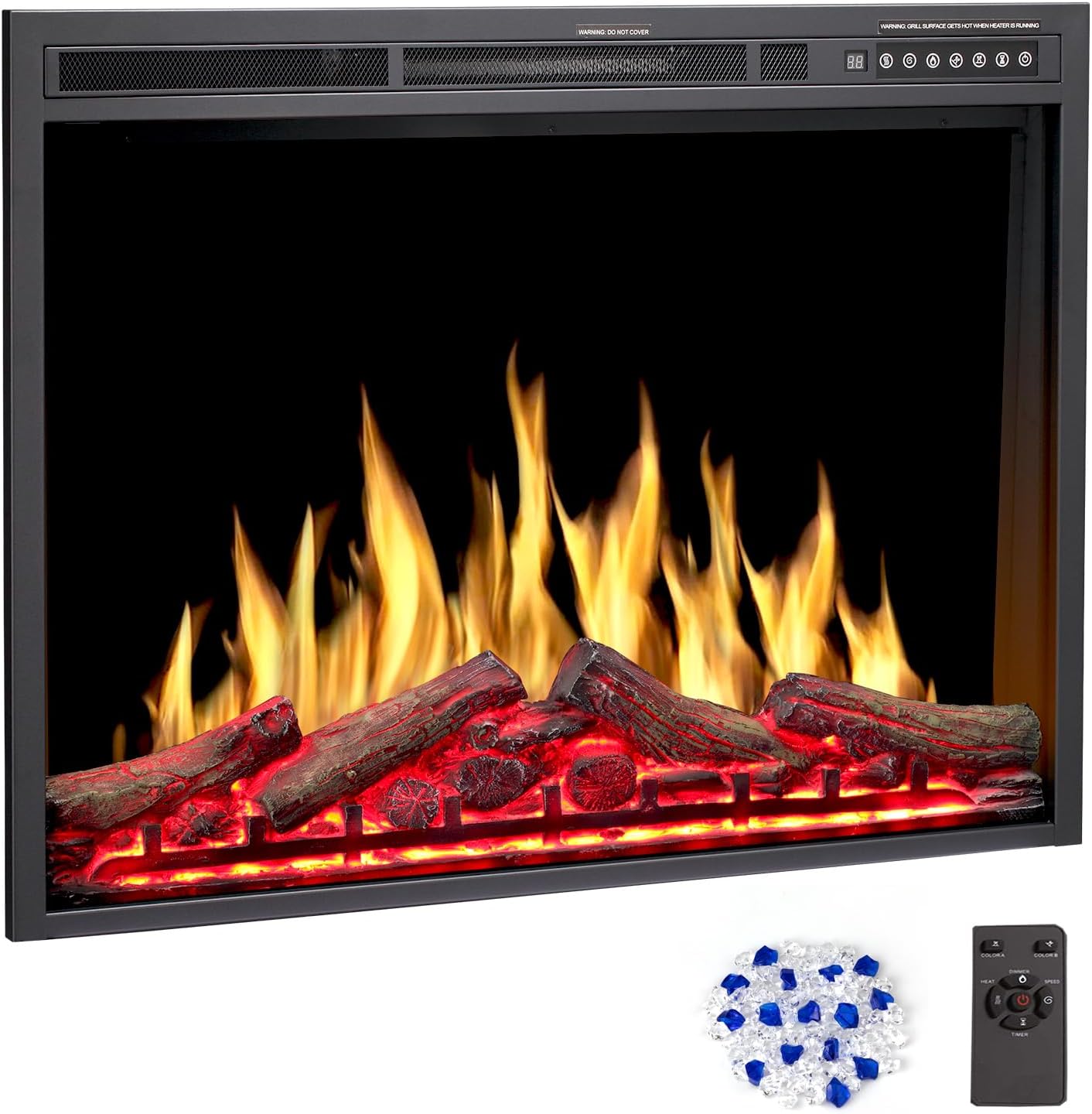
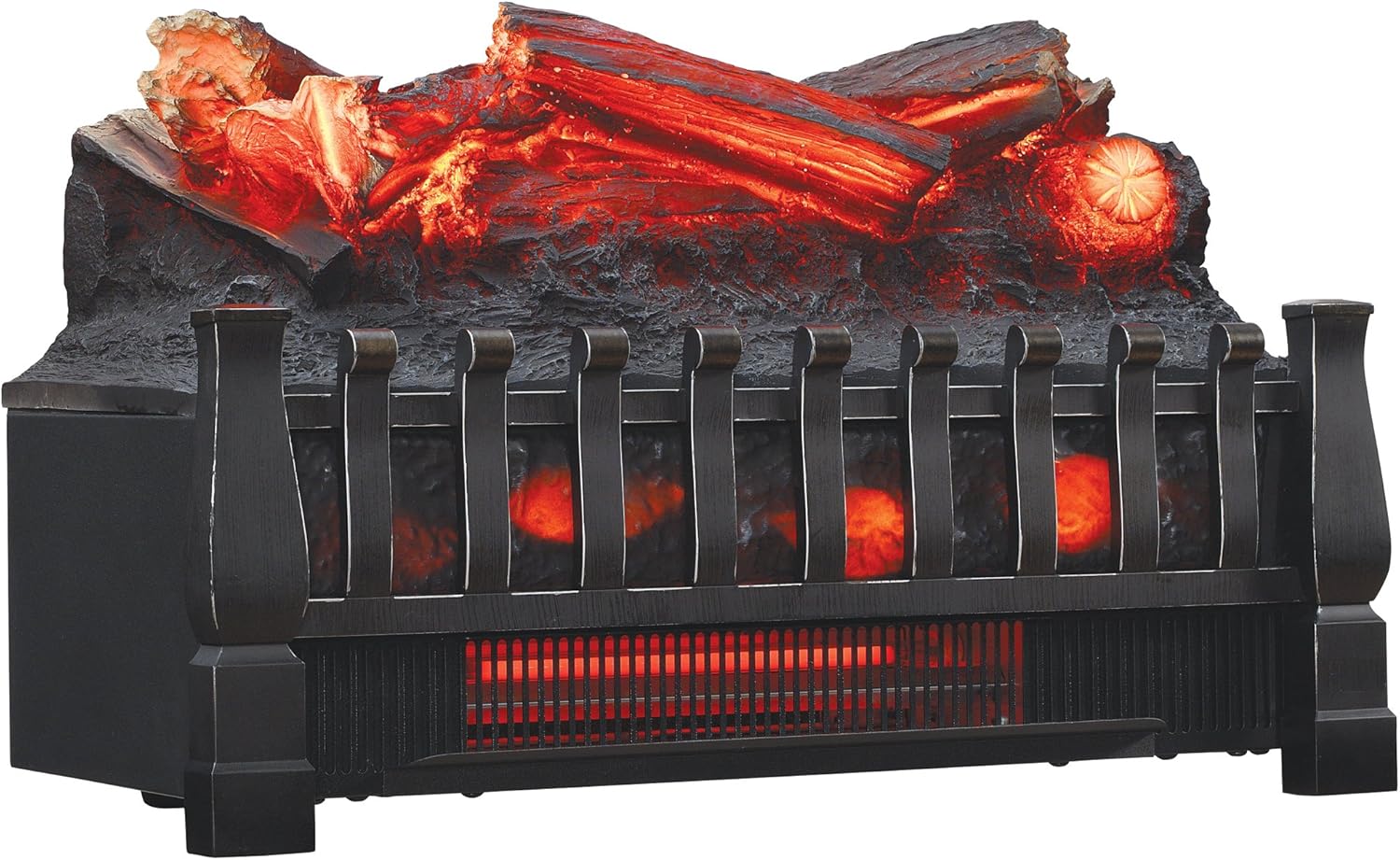
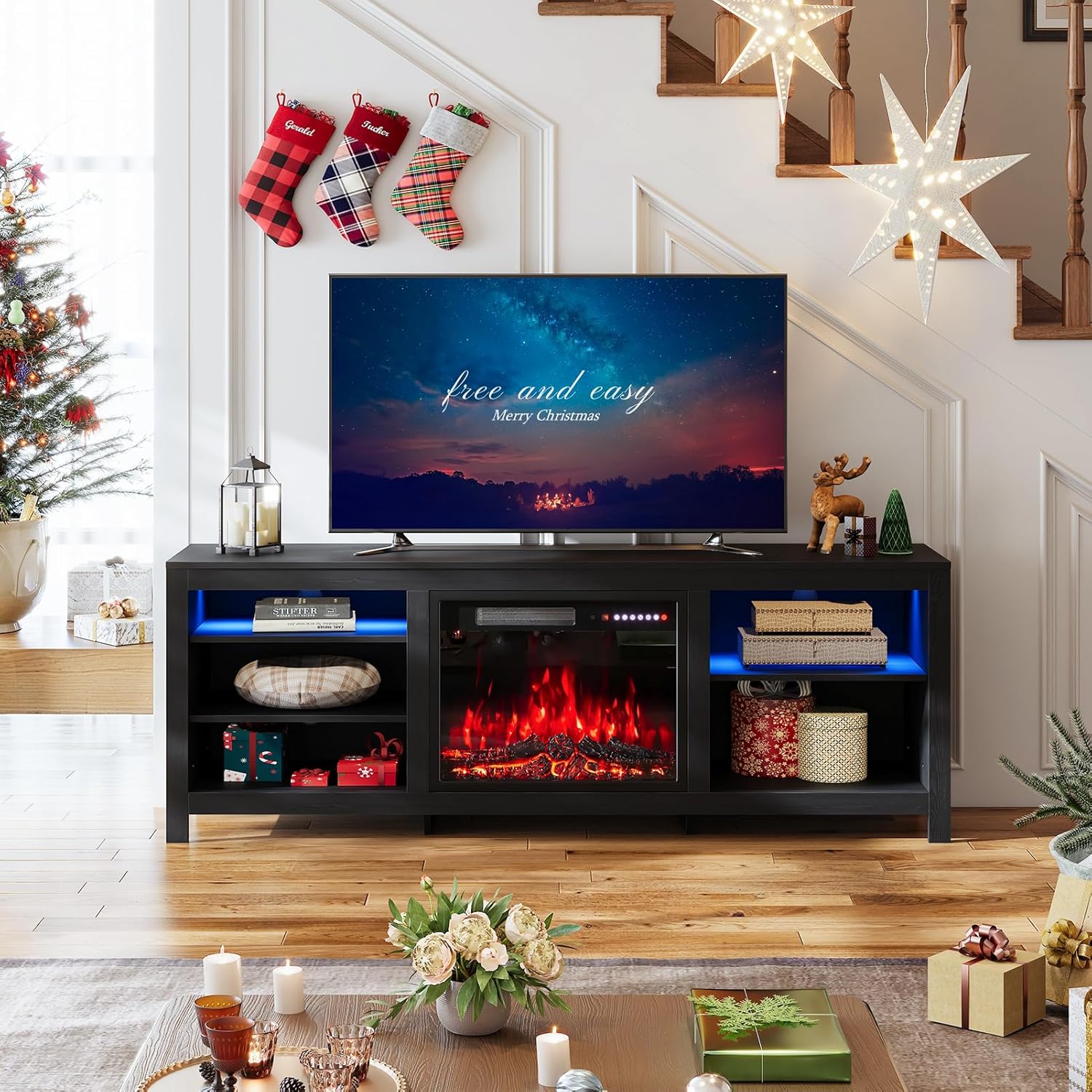
Comparing electric fireplace inserts, recessed models, and wall mounted options
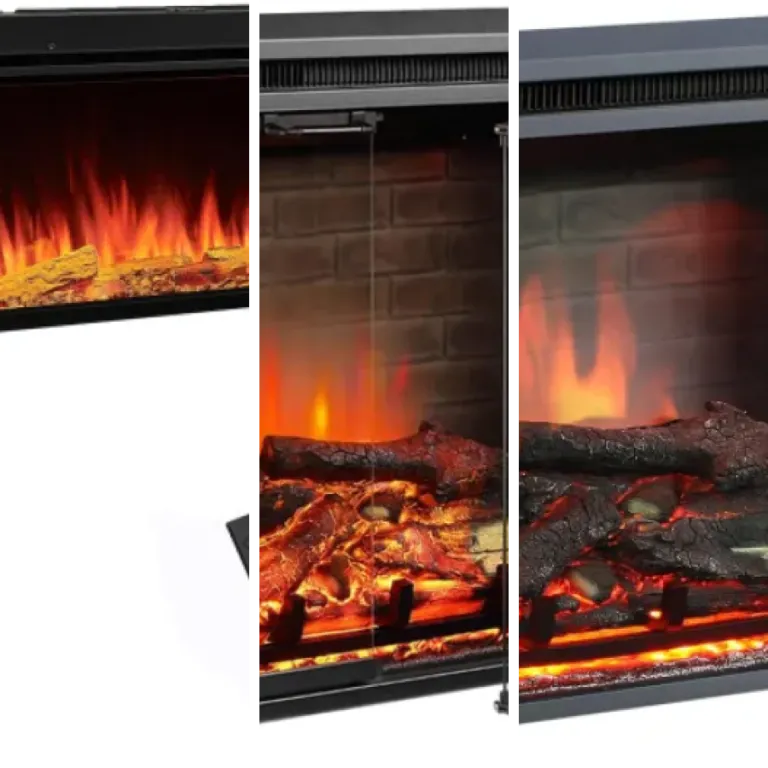
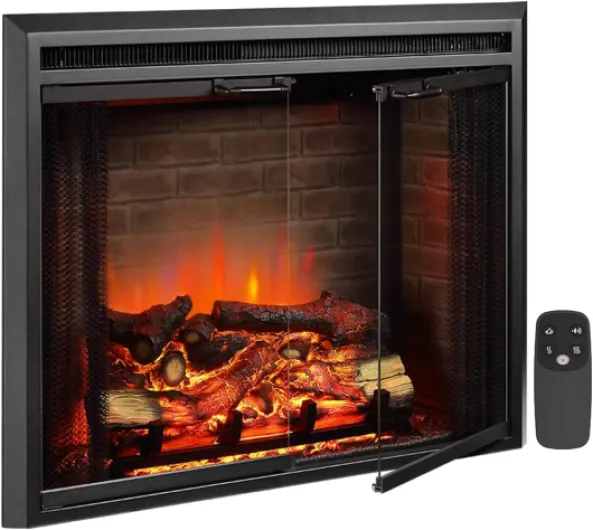
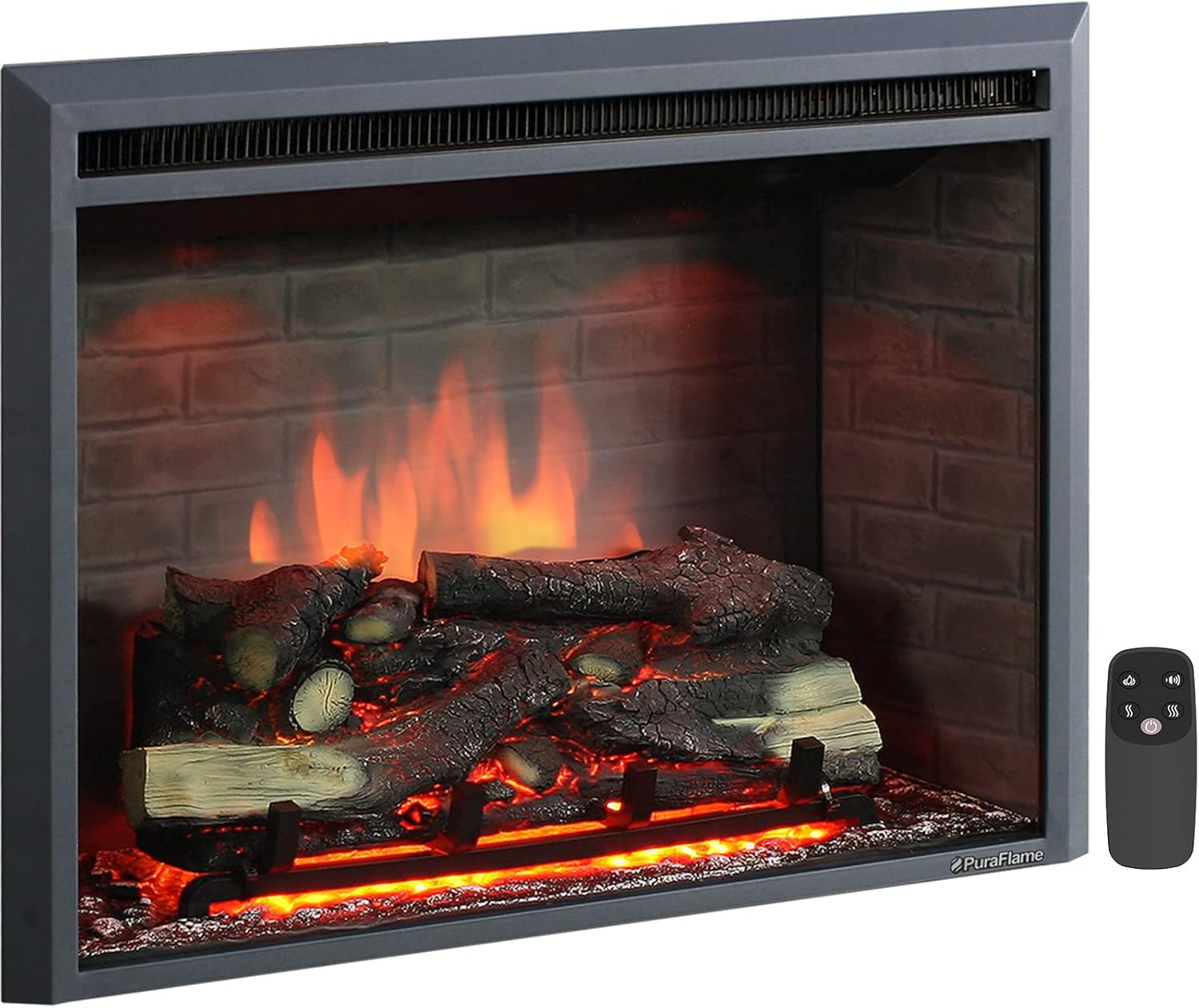
When evaluating the best built in electric fireplaces, it helps to group products into three main families. First are recessed wall units that are framed directly into studs and finished with plasterboard or masonry for a seamless modern look. Second are fireplace inserts that slide into an existing opening, transforming a wood burning or gas fireplace into a low maintenance electric fireplace.
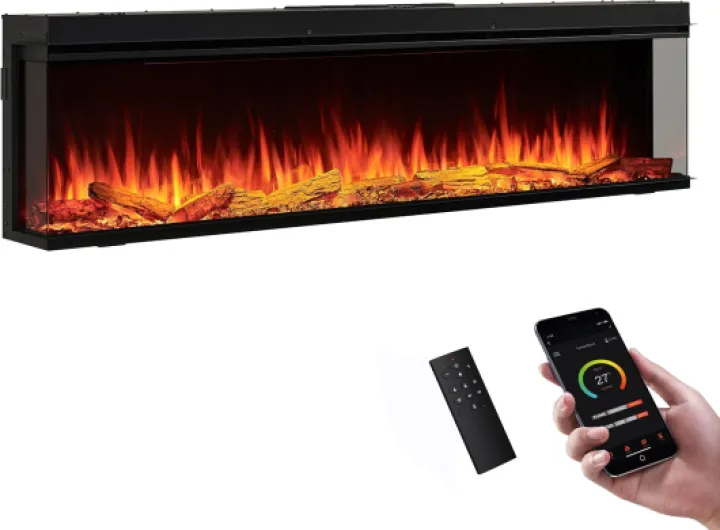
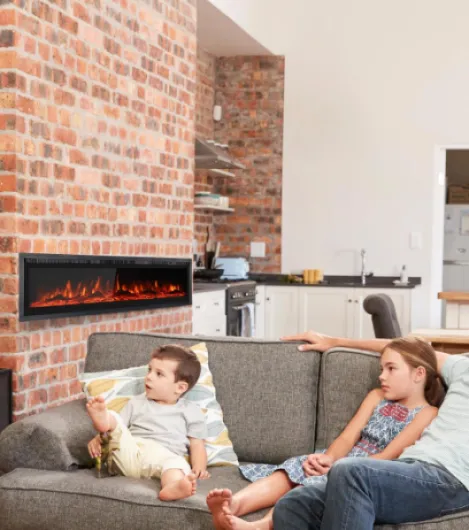
The third family includes wall mounted electric fireplaces that hang like a television and often mimic a gallery installation. While not technically built in, many wall mounted models can be partially recessed, blurring the line between easy install and fully integrated solutions. Homeowners often compare the price and complexity of each approach, balancing installation work against the desire for a perfectly flush wall.
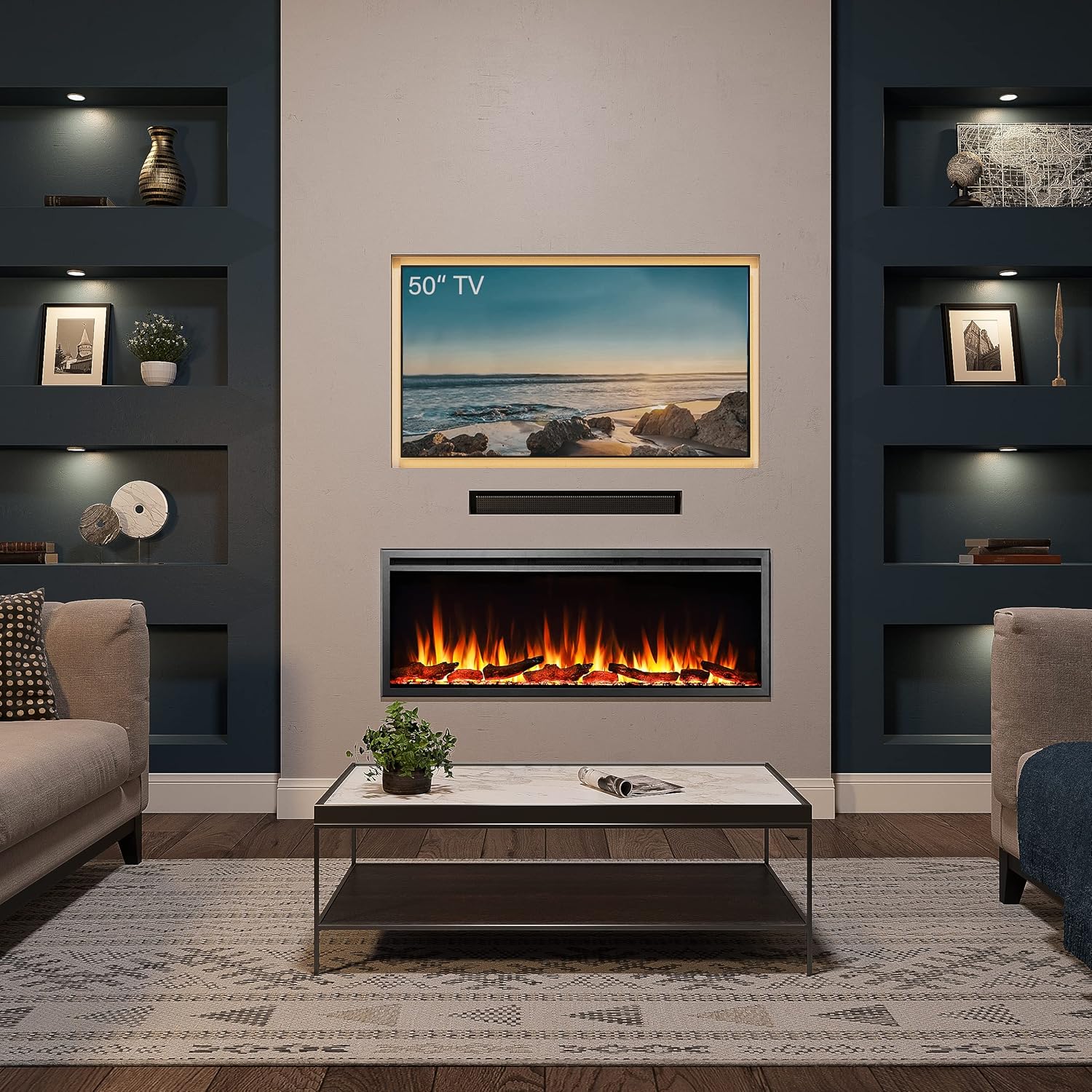
Recessed electric designs usually require more planning because the wall depth must match the fireplace body. A 30 inch or 50 inch fireplace insert may need a cavity of several hundred millimetres, which can be challenging in thin partition walls. However, the result is a modern flames effect that appears to emerge directly from the wall, especially when combined with colors variable LED technology.
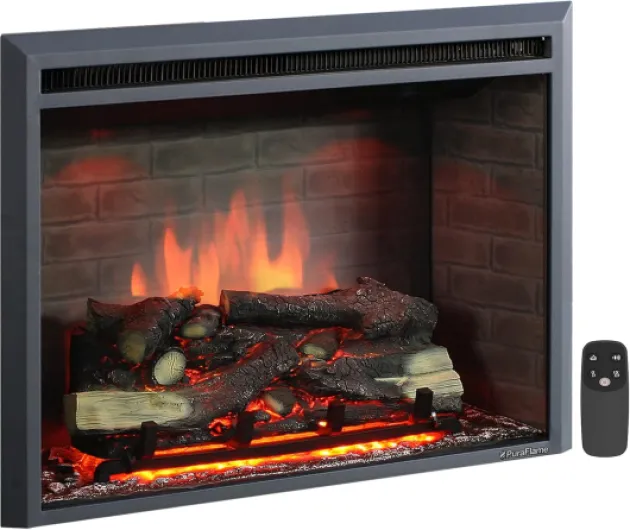
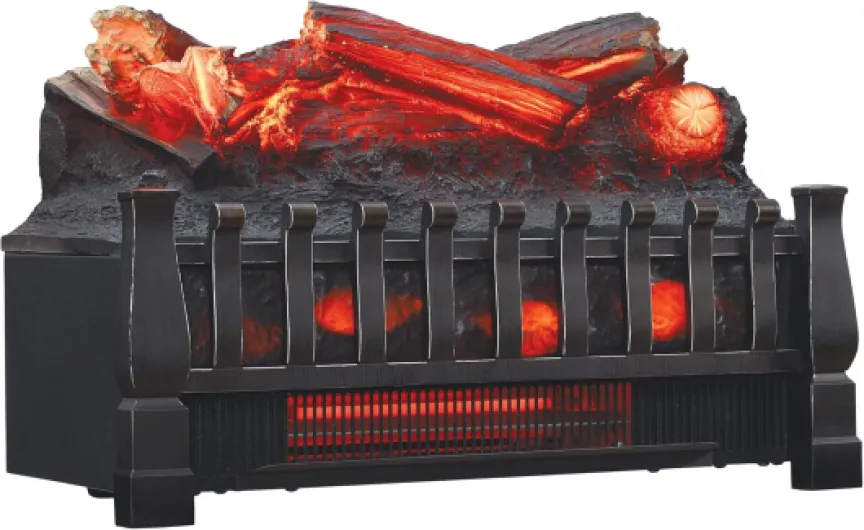
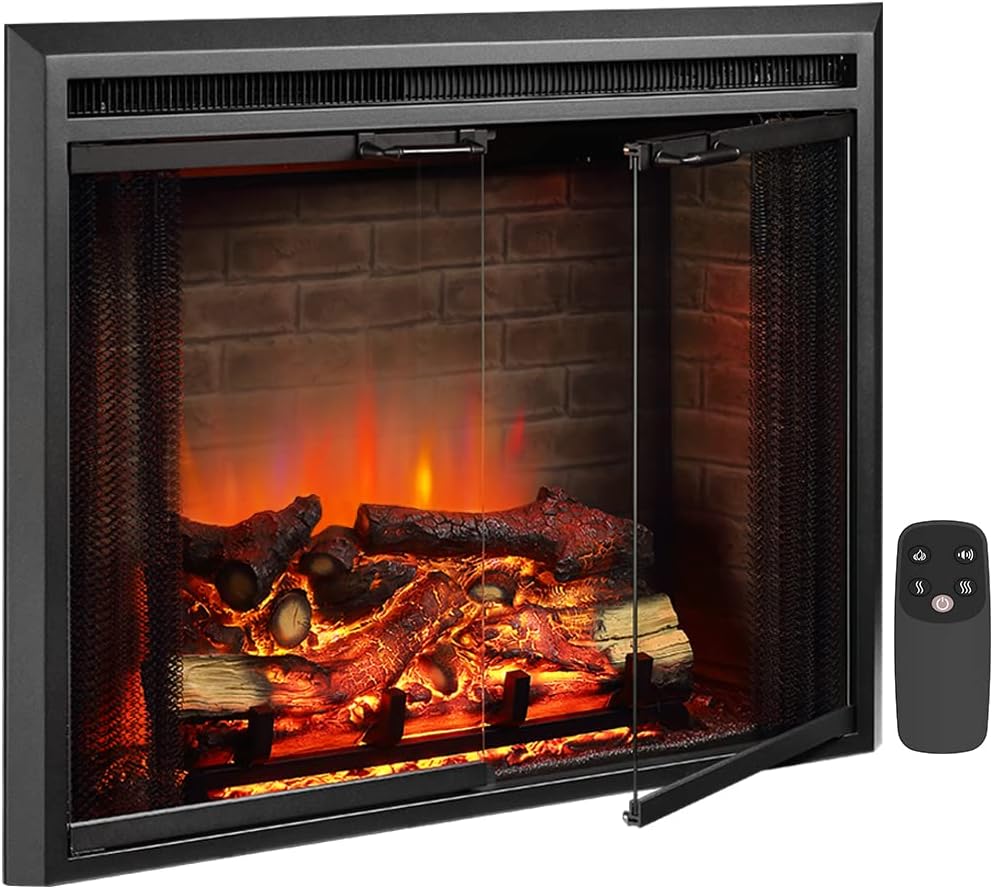
Fireplace inserts for existing openings are ideal when you already have a brick surround or a traditional wood mantel. Instead of demolishing the structure, you slide a smart electric fireplace insert into the cavity, connect power, and often benefit from free shipping on online orders. This approach preserves the character of a wood burning or gas fireplace while eliminating soot, ash, and chimney maintenance.
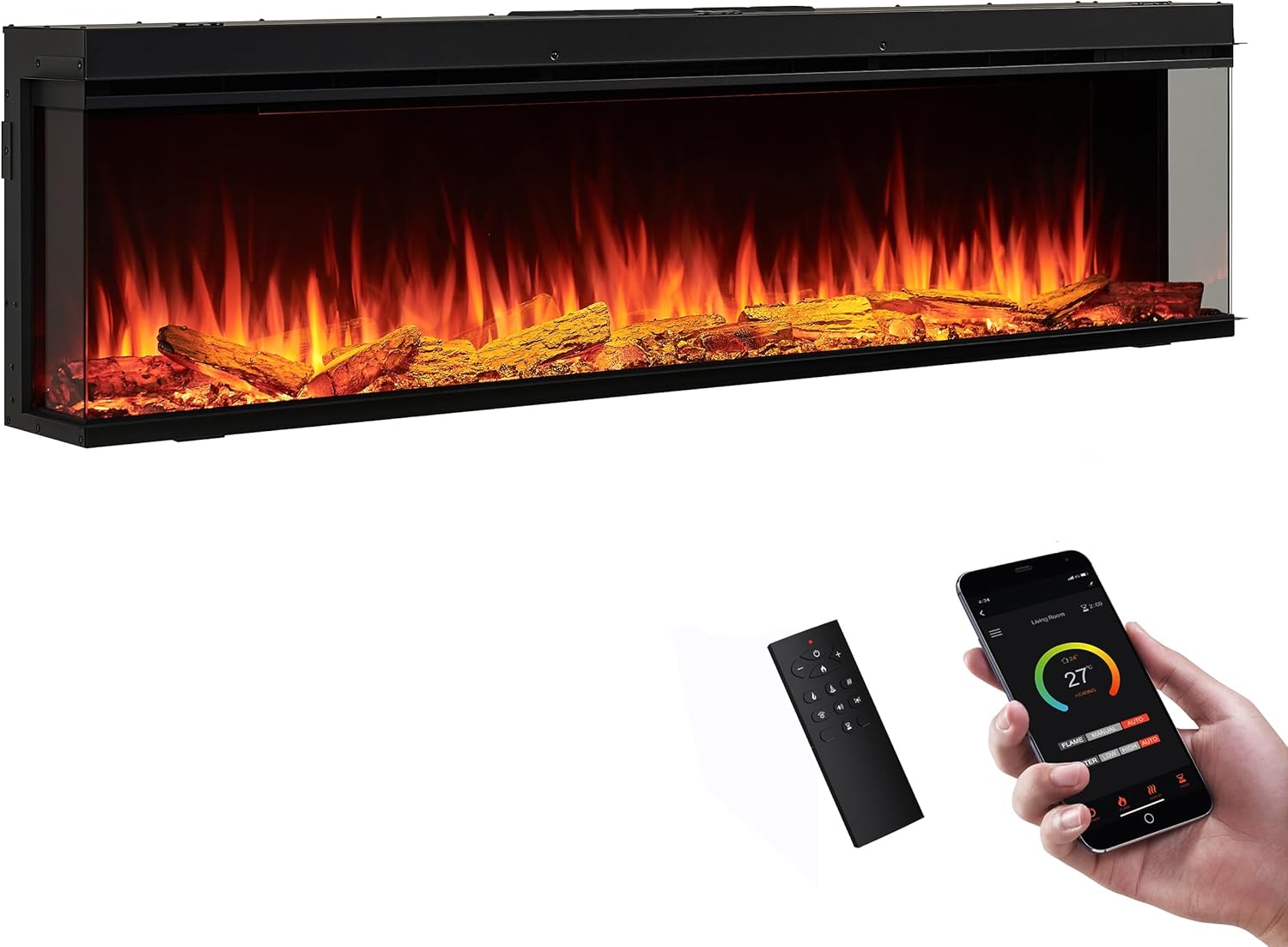
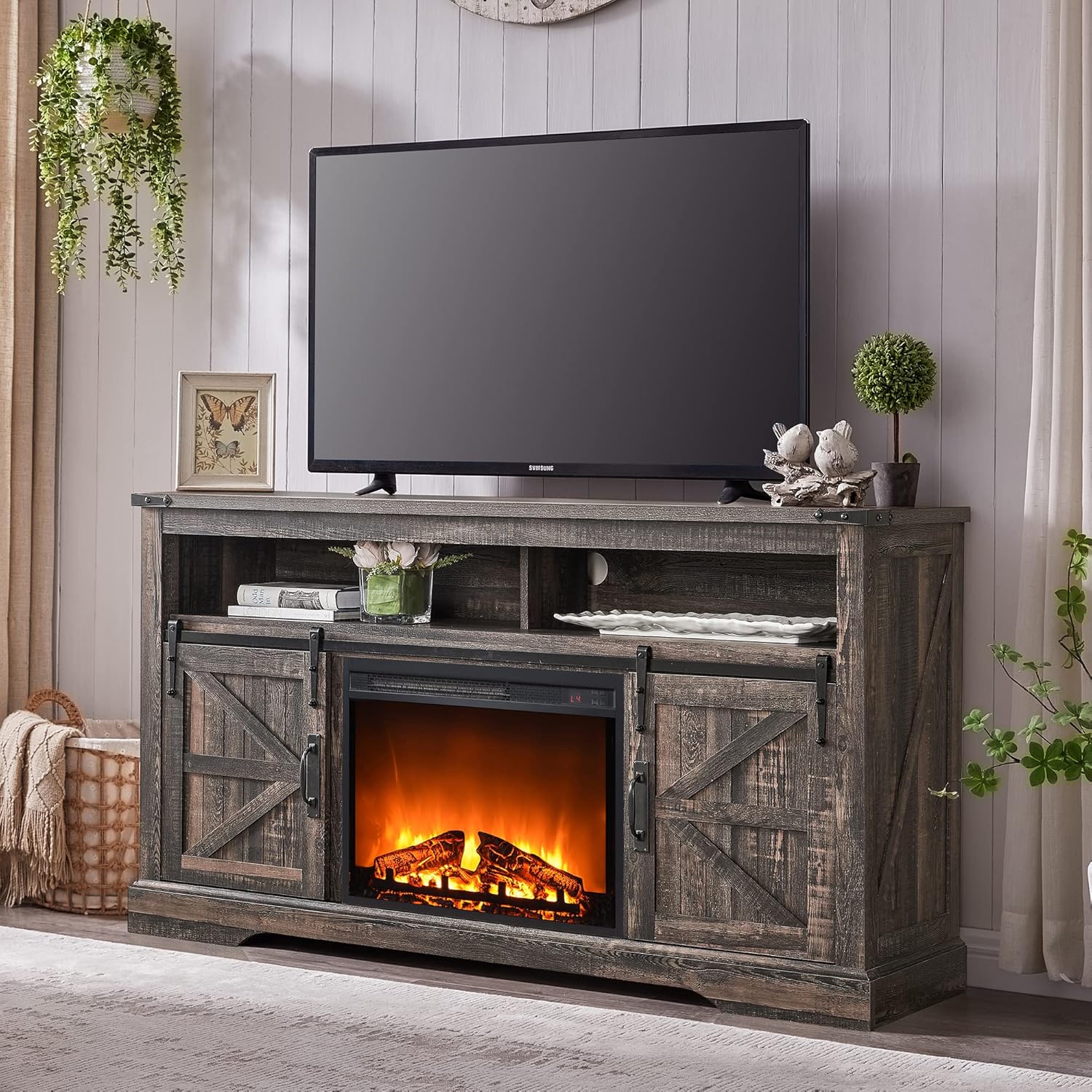
Wall mounted models remain popular for apartments and renovations where structural changes are limited. Many of these fireplaces offer easy install brackets, multiple flame colors, and remote control or app based smart features. Although not always classified as built electric units, they share many components with recessed models and can still help heat room spaces efficiently.
Key features that define the best electric built in models
Several technical and aesthetic features separate average products from the best built in electric fireplaces on the market. Flame technology is central, with modern flames systems using LED arrays, holographic projections, or reflected light to create depth and movement. Look for fireplaces that offer adjustable flame speed, brightness, and colors variable settings so the flame can shift from warm amber to cool blue or mixed tones.
Heat performance is another critical factor, especially if you expect the fireplace heater to supplement regular heating. Many electric fireplaces provide around 1 000 to 2 000 watts, which can comfortably heat room areas of 15 to 25 m² when insulation is adequate. Some models include thermostats, multiple heating levels, and timers that allow the electric fireplace to maintain a stable temperature without overheating the wall.
Smart electric capabilities are increasingly common in higher end fireplaces. These smart features may include Wi Fi connectivity, voice control through digital assistants, and app based scheduling that lets you adjust flame and heat from anywhere. When reading reviews, pay attention to how reliable these smart systems are, because software glitches can undermine an otherwise excellent fireplace insert.
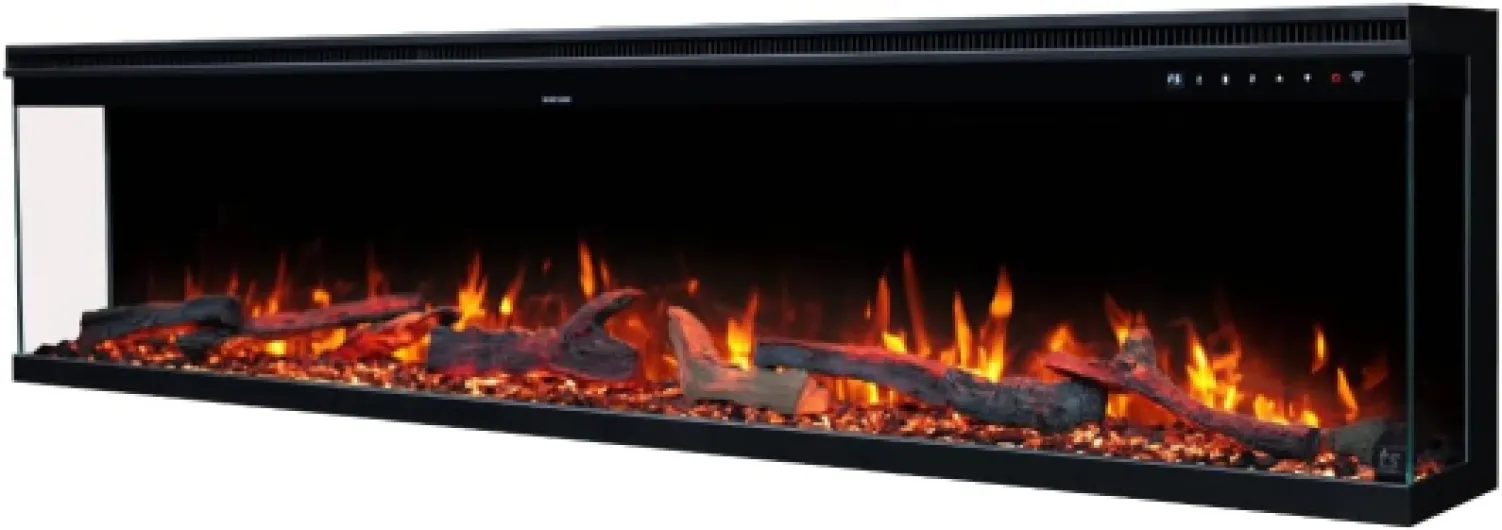
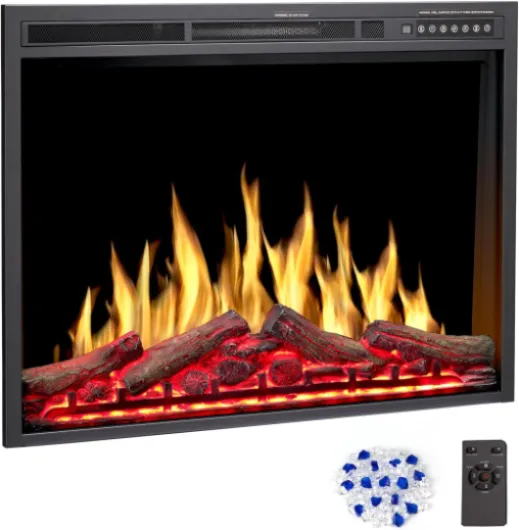
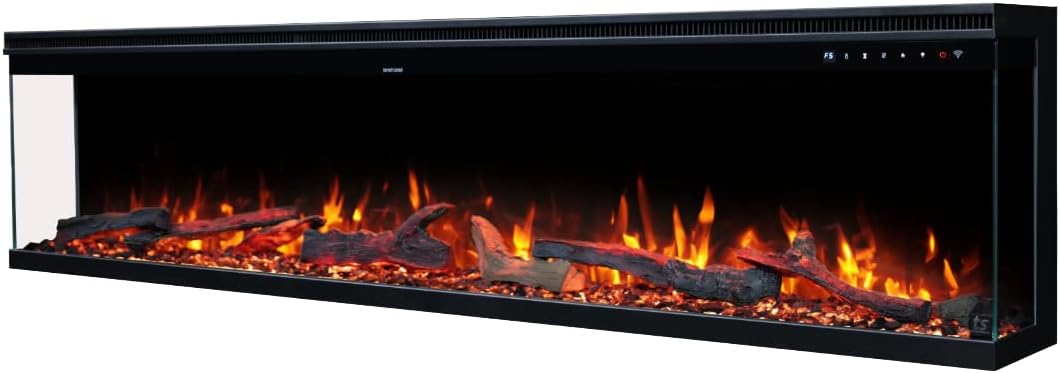
Design flexibility also matters, particularly in a modern living room where the fireplace acts as a focal point. Recessed wall units often come in several inch sizes, from compact 30 inch models to expansive 100 inch gallery style fireplaces that span an entire wall. The best electric designs offer interchangeable media beds, such as logs, crystals, or stones, allowing you to shift between a traditional wood aesthetic and a minimalist modern look.
Finally, consider practical aspects like noise level, cable management, and safety certifications. Built electric fireplaces should include overheat protection, cool touch glass, and clear installation instructions that make easy install genuinely achievable for qualified tradespeople. A balanced assessment of flame realism, heating performance, smart control, and safety will guide you toward the best electric choice for your space.
Designing a living room around a recessed electric fireplace
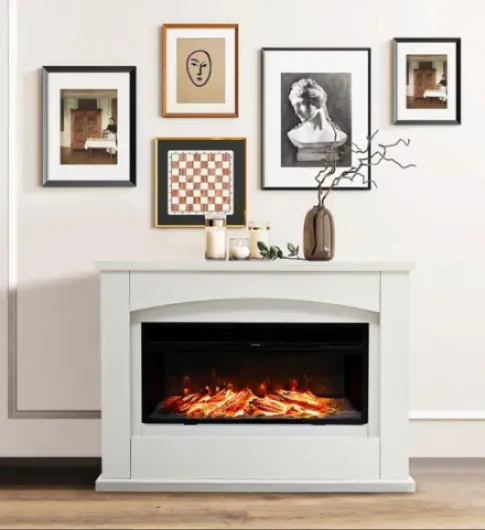
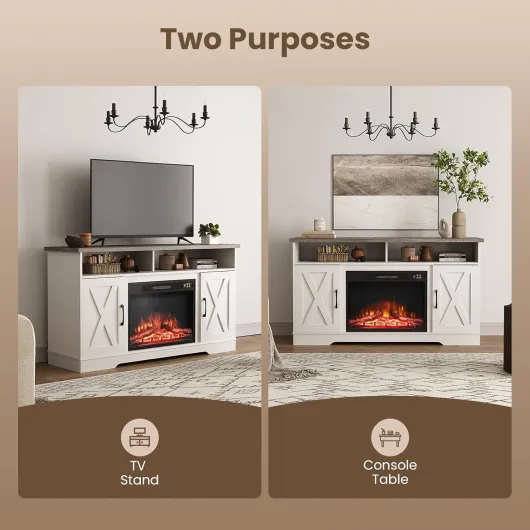
Integrating the best built in electric fireplaces into a living room requires more than simply choosing a model. Start by deciding whether the fireplace will sit alone on a recessed wall or share space with a television, shelving, or a gallery of artwork. The wall composition influences the ideal inch width of the fireplace, with wider models often better suited to long walls and narrower units fitting alcoves.
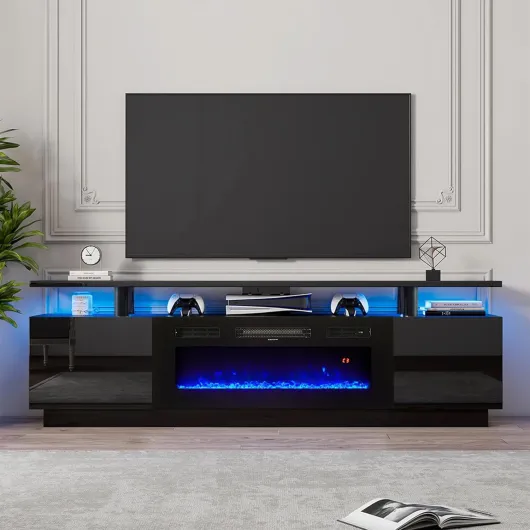
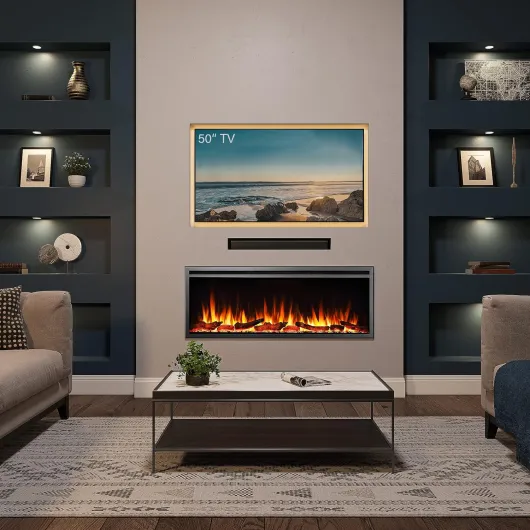
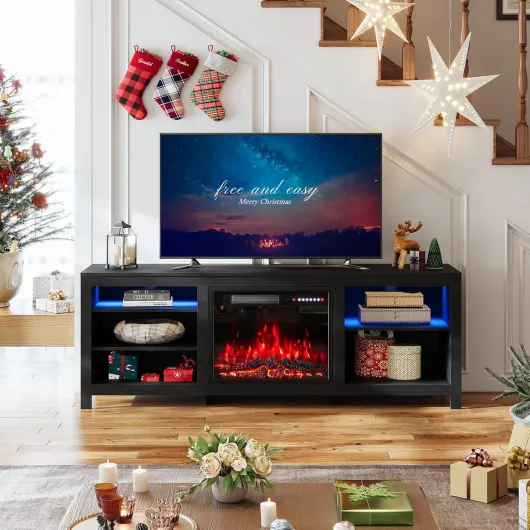
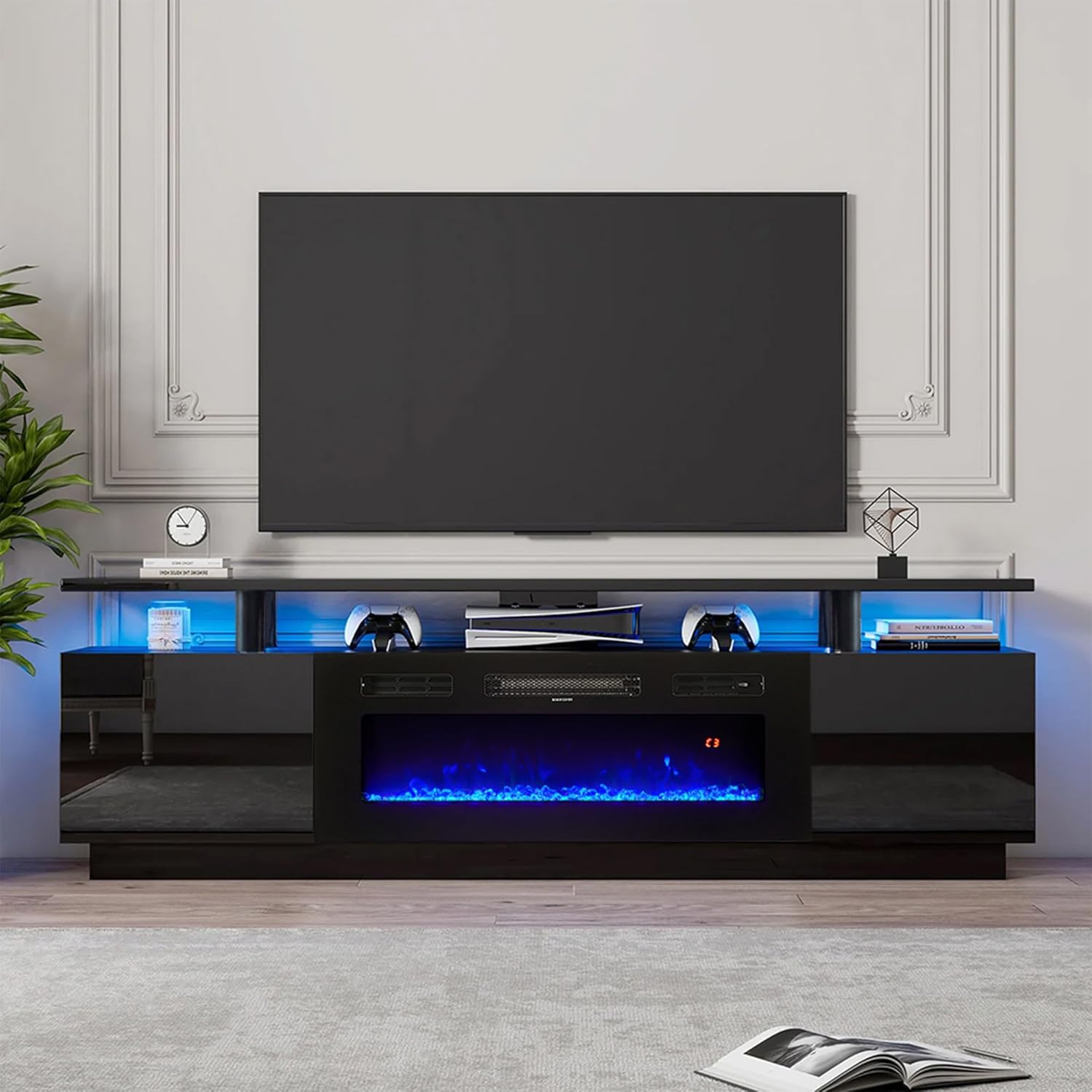
Many designers favour a linear recessed electric fireplace beneath a wall mounted television. This arrangement creates a strong horizontal line and allows the flame to balance the dark rectangle of the screen, especially when the fireplace offers vivid colors variable effects. When planning, ensure adequate clearance between the heat outlet and the television to avoid heat damage and maintain manufacturer warranties.
For homes transitioning from traditional wood or gas fireplace setups, a fireplace insert can preserve existing masonry. You can retain a stone surround, add a timber mantel, and still enjoy the convenience of an electric fireplace with remote control and smart electric features. This hybrid approach respects the heritage of the room while updating the heating and flame technology to modern standards.
Furniture placement should respond to both the flame and the heat pattern. Since most electric fireplaces are fan forced heaters, they project warm air into the room rather than radiating like a wood burning stove. Position seating within the effective heat room zone, typically a few metres in front of the fireplace, and avoid blocking airflow with large sofas or cabinets.
For more detailed layout ideas, many homeowners consult specialist resources on enhancing a home with a wall mount fireplace, which explain clearances, cable routing, and visual balance. Whether you choose a fully recessed wall installation or a partially wall mounted design, the goal is to integrate the fireplace so it feels architecturally intentional. Thoughtful planning ensures the fireplace becomes a long term asset rather than a temporary decorative feature.
Balancing electric fireplaces with other heating and fuel options
People comparing the best built in electric fireplaces often weigh them against gas fireplace systems and traditional wood burning appliances. Each fuel type offers distinct advantages in terms of running cost, ambience, and maintenance, so the right choice depends on your priorities. Electric fireplaces excel in ease of use, safety, and installation flexibility, particularly in apartments or homes without chimneys.
Gas fireplace units can deliver higher heat output and may be more efficient in very cold climates. However, they require flues, gas lines, and regular servicing, which increases the overall price and complexity. By contrast, a built electric fireplace usually needs only a dedicated electrical circuit, making easy install more realistic during renovations.
Traditional wood burning fireplaces provide authentic flame, sound, and scent, but they also generate smoke, ash, and particulate emissions. Many regions now regulate new wood burning installations, pushing homeowners toward cleaner electric fireplace or gas alternatives. In this context, recessed electric models with realistic flame effects and colors variable lighting offer a low emission way to enjoy a focal point in the living room.
When assessing heating performance, remember that most electric fireplaces are designed as supplemental heaters. They help heat room zones where people gather, reducing reliance on central systems during shoulder seasons. Reviews that criticise electric fireplaces for not heating an entire large house often overlook this intended role as a zone heater rather than a full replacement for regular heating.
From a lifecycle perspective, electric fireplaces avoid chimney cleaning, fuel storage, and combustion related wear. Their main ongoing costs are electricity and occasional component replacement, such as LED modules or fans in the fireplace heater. For many households, this predictable maintenance profile strengthens the case for choosing the best electric built in models over more complex fuel burning systems.
Practical buying checklist for the best built in electric fireplaces
Before purchasing, create a checklist that aligns with how you will use the fireplace day to day. Start with dimensions in millimetres and inches, confirming that the chosen inch size will fit your recessed wall or existing opening without structural changes. Then evaluate power requirements, ensuring the circuit can handle the fireplace heater load alongside other appliances in the living room.
Next, compare flame technologies and visual options across several models. Look for electric fireplaces that offer multiple flame patterns, ember bed styles, and colors variable settings, because these features influence long term satisfaction more than many buyers expect. Carefully read reviews to identify recurring comments about flame realism, fan noise, and smart electric reliability.
Price should be considered in relation to build quality, warranty, and included accessories. Some brands bundle fireplace inserts with trim kits, crystals, or log sets, while others charge extra for these elements and for extended warranties. Free shipping can offset part of the cost, but it is wise to budget for professional installation if you are not experienced with electrical work or framing.
Installation planning should address ventilation clearances, cable routing, and wall finishes. Even though electric fireplaces do not require chimneys, they still need space around air intakes and outlets to operate safely and to heat room areas effectively. A well planned easy install will protect both the fireplace and nearby materials from overheating.
Finally, consider how the fireplace will age with your interior style. A flexible design that can shift between a traditional wood log set and a minimalist crystal bed will adapt as your décor evolves. By methodically assessing dimensions, heating, smart features, aesthetics, and installation, you can confidently select from the best built in electric fireplaces and enjoy a reliable focal point for many seasons.
Key statistics about electric fireplaces and home heating
- Up to 100 percent of the electrical energy consumed by an electric fireplace is converted into usable heat within the room, since no energy is lost through a chimney.
- Typical built in electric fireplaces offer heating capacities around 1 000 to 2 000 watts, which can supplement heating in rooms of approximately 15 to 25 m².
- Zone heating with electric fireplaces can reduce energy use by allowing lower thermostat settings in unused rooms while maintaining comfort where people gather.
- Modern LED flame systems in electric fireplaces consume significantly less electricity than older bulb based designs, extending component life and reducing operating costs.
- Many manufacturers report that electric fireplaces require minimal annual maintenance compared with gas or wood burning systems, primarily limited to cleaning vents and checking electrical connections.
Common questions about built in electric fireplaces
Are built in electric fireplaces efficient for heating a room ?
Built in electric fireplaces are efficient at converting electricity into heat, with nearly all input energy released into the room. They are best used as zone heaters to warm specific living areas rather than as the sole source of regular heating. In a well insulated space, a typical unit can comfortably heat room zones where people spend the most time.
Can I install a recessed electric fireplace myself ?
Many manufacturers promote easy install designs, but actual difficulty depends on your wall construction and electrical skills. Framing a recessed wall opening, running a dedicated circuit, and ensuring clearances often require professional expertise. For safety and warranty protection, most experts recommend using a licensed electrician and, when needed, a qualified carpenter.
How realistic are the flames in modern electric fireplaces ?
Modern flames created by LED and projection systems can be surprisingly convincing, especially in dim lighting. Higher end models offer adjustable flame speed, brightness, and colors variable options that mimic both gas fireplace and traditional wood aesthetics. While they do not produce real combustion, the visual effect can still provide a strong sense of ambience.
What size electric fireplace should I choose for my living room ?
The ideal inch width depends on wall length, ceiling height, and furniture layout. As a rule, the visible fireplace opening should span roughly one half to two thirds of the wall section it occupies. Measuring in both millimetres and inches and sketching the layout helps ensure the fireplace feels proportionate rather than undersized or overwhelming.
Do built in electric fireplaces require much maintenance ?
Maintenance needs are relatively low compared with wood burning or gas fireplace systems. Routine care usually involves dusting vents, occasionally cleaning the glass, and checking that the fan and electronics in the fireplace heater operate correctly. There is no need for chimney sweeping, fuel storage, or ash removal, which simplifies long term ownership.