

Understanding radiator heaters and space heaters
How radiator heaters and space heaters work
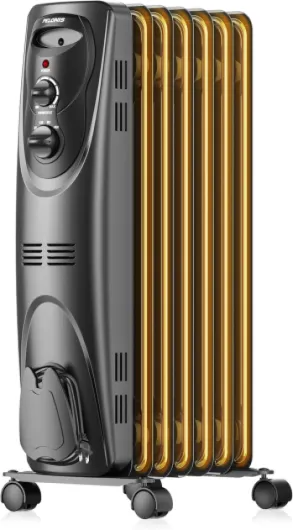
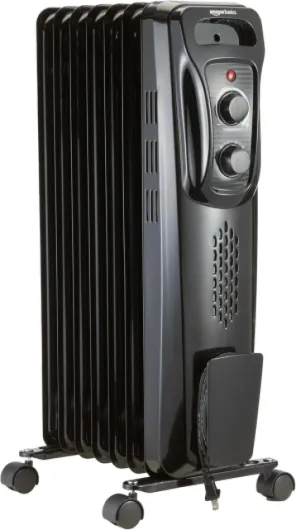
If you’re looking to add extra heat to your living room or any space in your house this winter, you’ll likely come across two popular options: radiator heaters and space heaters. Both are electric heaters, but they work in different ways and suit different needs. Radiator heaters, often called oil filled radiators, use electricity to heat oil sealed inside the unit. The oil stays inside and never needs replacing. As the oil heats up, it radiates warmth into the room. These heaters are known for their steady, gentle heat and are often used in bedrooms or living rooms where you want a consistent temperature. Because they don’t use a fan, they’re quiet and won’t stir up dust or dry out the air. Space heaters, on the other hand, come in several types. The most common are ceramic heaters and fan heaters. Ceramic heaters use electricity to heat ceramic plates, and a fan blows the warm air into the room. Fan heaters work similarly but may use metal coils instead of ceramic. These heaters are portable, heat up quickly, and are great for spot heating—think of warming up a mini office or a chilly corner in your house.- Radiator heaters: Oil filled, silent, slow to heat but keep rooms warm for longer.
- Space heaters: Usually ceramic or fan-based, heat up fast, portable, ideal for quick bursts of warmth.
Energy efficiency and running costs
Comparing Energy Use and Running Costs
If you’re weighing up whether a radiator heater or a space heater will be kinder to your wallet this winter, you’re not alone. The cost of heating a room can add up quickly, especially if you rely on electric heaters or electric radiators as your main heating solution. Here’s what you need to know about energy use and what it means for your electricity bill.- Radiator heaters (especially oil filled radiators) are known for their steady, gentle heat. Once the oil is hot, the heater keeps warming the room even after it cycles off, which can help save energy over time. They’re great for keeping a living room or bedroom cozy for hours without blasting hot air.
- Space heaters—like ceramic or fan heaters—heat up fast and can quickly warm up a small space. Fan heaters push warm air into the room, making them ideal for spot heating. But they tend to use more electricity if left running for long periods, since the heat stops as soon as you switch them off.
- U.S. Department of Energy – Portable Heaters
- Energy Saving Trust – Heating and Hot Water
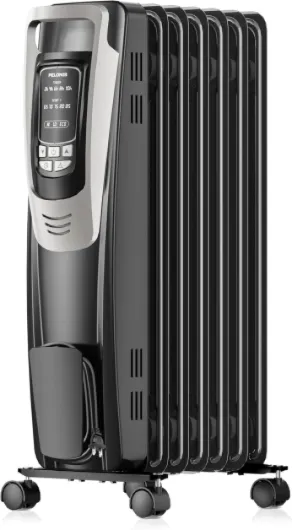
🔥 Populaire
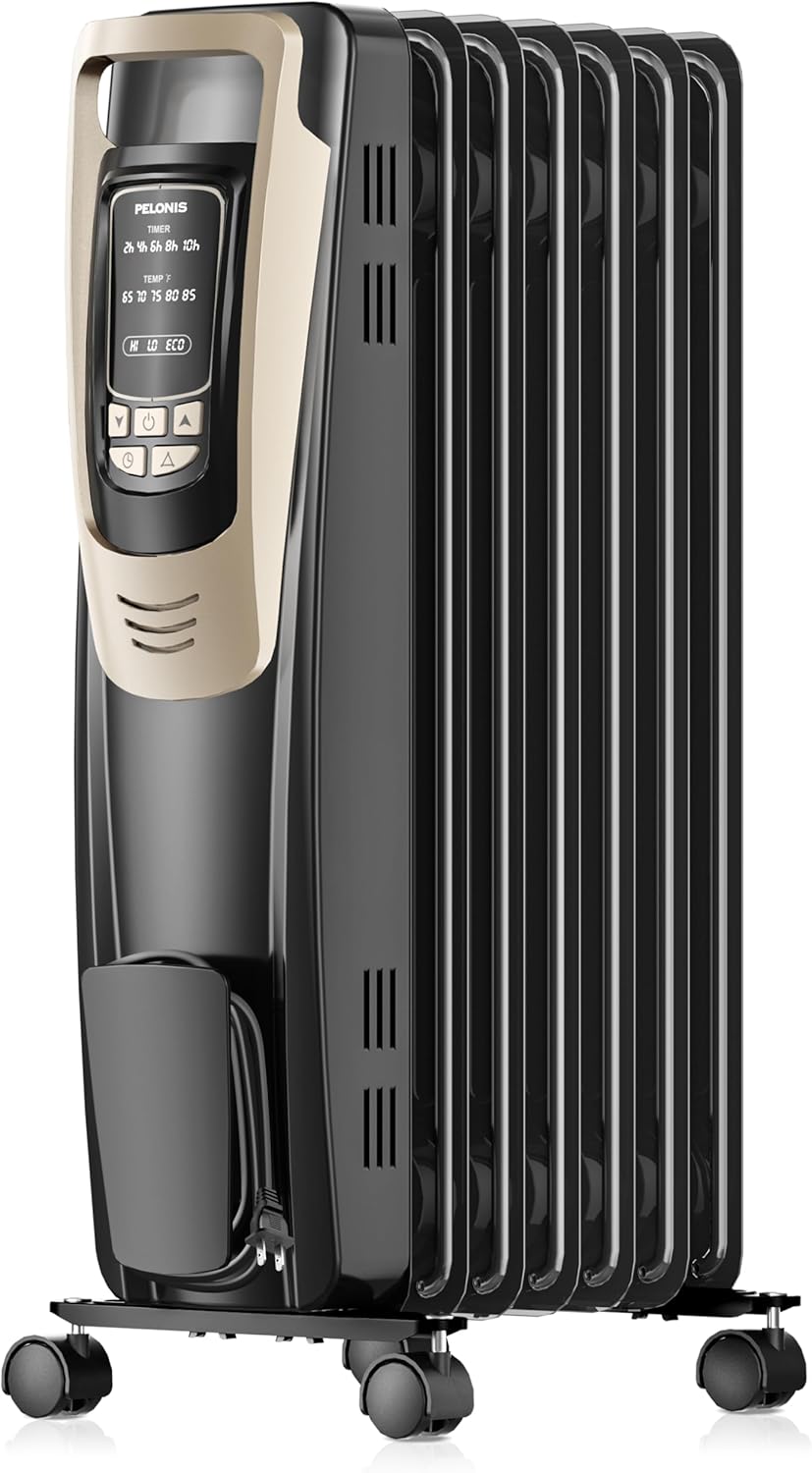
PELONIS
Large Indoor Radiator Heater with Remote
- + Remote control for easy temperature adjustment
- + Thermostat for precise heating
- + LED display for clear visibility
- + Quiet operation suitable for any room
- + 5 temperature settings for customized comfort
★★★★★
★★★★★
4,3/5
—
4790 reviews
See offer

Heating performance and room suitability
How Well Do These Heaters Warm Up a Room?
When winter sets in, the real test for any heater is how quickly and comfortably it can heat your space. Radiator heaters and space heaters each have their own strengths, and the right choice depends on your room size, layout, and how you plan to use your electric fireplace setup. Radiator Heaters- Oil filled radiators are known for their steady, gentle heat. They warm up slowly but keep the air comfortable for hours, even after you turn them off. This makes them perfect for bedrooms, living rooms, or any spot where you want lasting warmth without constant noise or airflow.
- Because they don’t use a fan, these heaters won’t dry out the air. That’s a relief for anyone who struggles with dry skin or allergies in winter.
- Electric radiators are often portable, so you can move them from room to room as needed. Just keep in mind, they work best in enclosed spaces and may take longer to heat a large area.
- Fan heaters and ceramic space heaters deliver quick bursts of heat. If you need to warm up a chilly office, bathroom, or mini space fast, these are your go-to options.
- Fan heaters push warm air around, so you’ll feel the difference in minutes. But, they can be a bit noisy and may stir up dust or allergens.
- Ceramic heaters are compact and energy efficient, making them a smart choice for small rooms or as a portable heating solution in your house.
- For a large living room or open-plan area, an oil filled radiator or electric radiator will spread heat more evenly and keep the space cozy for longer.
- For quick, targeted warmth—like when you’re working at a desk or relaxing in a reading nook—a mini fan heater or ceramic space heater will do the trick.
- If you’re adding a heater to your electric fireplace setup, think about the location. A space heater can supplement central heating in drafty spots, while a radiator heater will quietly maintain a comfortable temperature in the background.
Imagine you’re hosting friends in your living room on a cold evening. An oil filled radiator keeps the air warm and pleasant, so everyone stays comfortable without the constant hum of a fan. But if you’re just looking to heat a small office for a couple of hours, a portable ceramic space heater will warm things up in no time.
Pro TipIf you’re using LED light strips in your electric fireplace for ambiance, make sure your heater doesn’t block airflow or overheat nearby electronics. For more on safe and stylish setups, check out this guide to LED light strips and electric fireplaces.
Sources: U.S. Department of Energy, Consumer Reports, Energy Saving Trust
Safety features and considerations
Staying Safe While Heating Your Space
Choosing a heater for your living room or any part of your house isn’t just about heat output or energy bills. Safety should be front and center, especially during winter when heaters run for hours. Whether you’re considering electric radiators, oil filled radiators, ceramic heaters, or fan heaters, each type brings its own safety features and things to watch out for.- Tip-over and Overheat Protection: Most modern electric heaters and space heaters come with automatic shut-off if they get knocked over or if the temperature climbs too high. This is a must-have for homes with kids or pets, or if you plan to use a portable heater in a busy room.
- Cool-to-the-Touch Surfaces: Oil filled radiators and many electric radiators stay cooler on the outside compared to some fan heaters. That means less risk of accidental burns if someone brushes against the heater.
- Built-in Timers and Thermostats: Timers and thermostats help prevent overheating and save electricity. You can set your heater to turn off after a certain time or maintain a steady temperature, which is handy for overnight use or if you’re heating a mini space like a home office.
- Safe Placement: Always keep heaters away from curtains, bedding, and furniture. Fan heaters and ceramic heaters especially need clear space for airflow. Never use a heater to dry clothes or block the air intake or outlet.
- Proper Power Usage: Plug heaters directly into wall outlets, not extension cords or power strips, to avoid fire hazards. Electric heaters draw a lot of electricity heat, and overloaded circuits can be dangerous.
Maintenance and durability
How easy is it to keep your heater running smoothly?
Taking care of your heater can make all the difference, especially when winter hits hard. Whether you’re using oil filled radiators, ceramic space heaters, or a fan heater, a little attention goes a long way. Here’s what you need to know about keeping your electric heating solution in top shape:- Oil filled radiators: These are known for their durability. The sealed oil never needs replacing, so you won’t have to worry about messy refills. Just wipe the exterior with a dry cloth now and then, and make sure the vents are clear of dust. If you move your filled radiator from room to room, check the wheels and cord for wear.
- Ceramic and fan heaters: These portable electric heaters are lightweight and easy to move. Dust can build up in the vents or on the fan blades, so regular vacuuming or a quick brush-off helps keep the air flowing and the heat steady. If you notice odd noises or a drop in heat, unplug and inspect for blockages.
- Electric radiators: These heaters electric are usually maintenance-free, but it’s smart to check the controls and thermostat every so often. A quick test before winter ensures your living room or any space in your house stays cozy when you need it most.
How long will your heater last?
Most electric heaters, whether mini, portable, or full-size, are built to last several years with basic care. Oil filled radiators often outlive other types, sometimes running strong for a decade or more. Ceramic and fan heaters may have a shorter lifespan, especially if used daily, but replacing filters or cleaning fans can stretch their service.What about safety and repairs?
Safety is always front and center. If your heater will be used in different rooms or locations, check the cord and plug for damage before each use. Never use a heater with a frayed cord or if it smells like burning plastic. For electric space heaters, avoid using extension cords, as they can overheat. If your heater stops working or you notice flickering lights, it’s best to have it checked by a professional rather than trying to fix it yourself.Real-life tips for a stress-free winter
- Place your heater on a flat, stable surface in the room you want to heat. Avoid carpets or rugs that can block airflow.
- Keep at least three feet of space around your heater, especially from curtains or furniture.
- Store your portable or mini heater in a dry place during the warmer months to prevent dust buildup and keep it ready for next winter.
Choosing the right heater for your electric fireplace setup
Matching Your Heater to Your Electric Fireplace Setup
Choosing the right heater for your electric fireplace setup can make winter nights more comfortable and help you save on electricity heat costs. The best option depends on your room size, location, and how you use your space. Here’s how to make the right call:- Room Size and Layout: For a small living room or bedroom, a mini ceramic space heater or a compact fan heater can quickly heat the air. Larger rooms or open spaces may benefit from oil filled radiators or electric radiators, which provide steady, even heating over time.
- Heating Needs: If you want fast warmth, fan heaters and ceramic heaters are great for a quick boost. For a cozy, consistent heat that feels like central heating, oil filled radiators or panel-style electric radiators are a solid pick. These heaters electric types keep the room warm even after they’re switched off, thanks to their heat retention.
- Portability: Need to move your heater from room to room? Portable electric heaters and mini fan heaters are light and easy to carry. Oil filled radiators are heavier but often come with wheels for easy movement.
- Safety and Features: Look for heaters with tip-over protection, cool-touch exteriors, and automatic shut-off. These features are especially important if you have kids or pets in the house. Many modern electric space heaters and filled radiators include these safety extras.
- Energy Efficiency: If you’re concerned about running costs, check the wattage and energy ratings. Ceramic heaters and oil filled radiators are known for being energy efficient, especially in well-insulated rooms. Using a thermostat or timer can help manage electricity heat use.
- Integration with Electric Fireplaces: Some electric fireplaces come with built-in heaters, but if you need extra heat, pairing with a portable electric heater or a slim electric radiator can help heat the room faster. Just make sure not to overload your electrical outlets—spread out your appliances if needed.