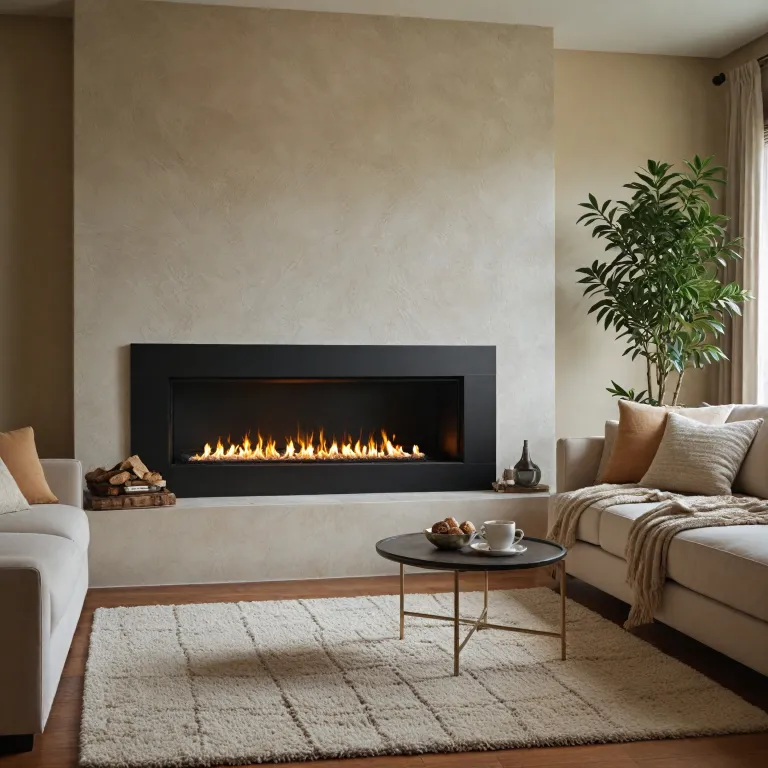
Understanding the modern firebox fireplace at the heart of your home
The firebox fireplace sits at the core of every electric fireplace, shaping both the look and the performance of the appliance. Inside this compact firebox, manufacturers carefully arrange the flame technology, log set, and heat delivery so the electric fire feels convincing rather than artificial. Whether you choose a 50 inch unit or a smaller 30 inch model, the internal firebox determines how immersive the flames appear and how evenly the room warms.
Brands such as Dimplex have elevated the electric fireplace firebox with advanced flame technology and multi fire effects that mimic a burning fireplace without smoke or ash. A Dimplex inch firebox can include glowing embers, adjustable flame color, and even water vapor systems that create a three dimensional flame image. These features allow a vapor fireplace to rival a traditional fireplace in ambiance while avoiding the complexity of gas lines or wood burning setups.
Many homeowners compare a masonry fireplace and a factory built firebox fireplace when planning renovations. A masonry firebox built from brick or stone offers durability and a classic look, yet it usually requires gas logs, a vent, and regular chimney maintenance. By contrast, an electric firebox insert can slide into an existing masonry fireplace opening, turning an underused wood burning or gas burning fireplace into an efficient electric fireplace with instant heat.
Retailers often list firebox models by width in inch increments, making it easier to match the firebox to cabinetry or a media cart. When you add a firebox to a custom surround, check the stock dimensions and confirm clearance for heat vents and electrical connections. This careful planning ensures the fireplace firebox integrates safely with masonry, built furniture, or lightweight wall systems.
Comparing electric, gas, and wood burning firebox options
Choosing between an electric fireplace firebox, a gas firebox, or a wood burning firebox depends on your tolerance for installation work and ongoing maintenance. A gas burning fireplace with gas logs or a vent free gas firebox can deliver strong heat, yet it demands safe gas lines, proper vent design, and regular inspections. In contrast, an electric fireplace firebox only needs a standard electric outlet, which simplifies placement in apartments, bedrooms, or masonry fireplace conversions.
Vent free gas models appeal to homeowners who want a powerful flame without a full chimney, but they still release combustion byproducts into the room. Even when labeled free gas vent free, these units must follow strict room size and ventilation rules to protect indoor air quality. An electric firebox avoids this issue entirely, because its flame technology uses LEDs, mirrors, or water vapor rather than actual combustion or smoke.
When upgrading an older masonry fireplace, many people compare a traditional fireplace rebuild with a fireplace insert that slides into the existing opening. A masonry fireplace rebuild may involve new masonry firebox walls, a flue liner, and possibly new gas lines for gas logs, which can be costly and disruptive. A purpose built electric fireplace insert, however, can convert the same burning fireplace cavity into a clean electric firebox fireplace with controllable heat and realistic flame effects.
Regional installation rules also matter, especially for gas and vented systems that pass through walls or roofs. For readers evaluating a project in regulated areas, a detailed guide to installing electric fireplaces illustrates how electric firebox models often bypass complex permitting. This regulatory simplicity explains why many designers now specify electric firebox fireplaces instead of new gas or wood burning units in multi family buildings.
How flame technology and water vapor create realistic electric fires
The realism of a firebox fireplace depends heavily on the flame technology hidden behind the glass. Early electric fireplace models relied on simple rotating mirrors and colored bulbs, but current firebox designs use LEDs, projected images, and water vapor to simulate depth and movement. In a premium vapor fireplace, ultra fine water vapor rises through carefully lit logs, creating a three dimensional flame that looks surprisingly similar to a gas or wood burning fire.
Dimplex has become a reference brand in this field, with fire xhd and multi fire series firebox units that blend adjustable color, ember beds, and sound. A Dimplex inch firebox can offer multiple flame themes, from a calm traditional fireplace glow to a vivid contemporary display, all controlled by remote. These electric fireplace systems allow you to enjoy the visual drama of a burning fireplace even when the heat function is off, which is valuable in warmer climates.
Some water vapor firebox models also integrate a log set that releases subtle mist through cracks and knots, enhancing the illusion of smoldering wood. When combined with a realistic masonry firebox backdrop or a mason lite style panel, the effect can rival a built masonry fireplace at a fraction of the installation effort. Designers often specify these vapor fireplace units in upscale apartments where gas lines are restricted but residents still want a focal point that feels like a genuine fire.
If you are comparing different flame systems, review a curated guide to modern wall mount fireplaces to understand how firebox depth and flame technology interact. Wall mounted electric fireplace units typically use a shallower firebox, yet advanced flame technology can still create convincing flames in limited space. Matching the firebox fireplace model to your room layout ensures the electric fire looks proportional rather than cramped or exaggerated.
Designing with a firebox fireplace in masonry, media walls, and outdoor spaces
Integrating a firebox fireplace into your architecture requires balancing aesthetics, clearances, and heat output. In a traditional masonry fireplace renovation, you can insert an electric firebox into the existing opening, then frame the surround with stone or brick to preserve the classic look. This approach turns an inefficient wood burning or gas burning fireplace into a controllable electric fireplace while keeping the masonry fireplace character.
For contemporary interiors, many homeowners build media walls that combine a wide inch firebox with shelving and a television. A Dimplex inch firebox or similar model can be framed into non combustible board, with vents carefully placed to allow heat to circulate without overheating electronics. When you add cabinets or a cart style base beneath the firebox, verify that the built structure supports the weight and maintains the manufacturer’s required vent clearances.
Outdoor applications introduce additional variables, including moisture, wind, and temperature swings that can affect both electric and gas firebox units. Some manufacturers offer outdoor rated electric fireplace firebox models that seal the electronics and protect the flame technology from weather. If you prefer a gas burning fireplace outdoors, ensure the firebox, gas logs, and gas lines are all rated for exterior use and that any vent or vent free configuration complies with local codes.
Because the market offers a long list of firebox fireplace options, from compact inserts to panoramic multi fire designs, comparison research is essential. A specialized overview of top modern electric fireplaces can help you narrow the model list based on flame realism, heat capacity, and installation style. Once you select a specific firebox model, confirm that the masonry, framing, and electrical supply are all prepared before you add the final surround materials.
Heat performance, efficiency, and safety in electric firebox fireplaces
Although the flame visuals attract the most attention, the heat performance of a firebox fireplace determines everyday comfort. Standard electric fireplace firebox units typically provide around 1 to 2 kilowatts of heat, which suits small to medium rooms when used as supplemental heating. Because electric fire converts nearly all input energy into heat at the point of use, these systems avoid the flue losses that affect many gas and wood burning fireplaces.
Safety is another major advantage of an electric firebox fireplace compared with a traditional fireplace or vent free gas unit. The glass front of an electric fireplace usually stays cooler than the doors of a burning fireplace, reducing burn risks for children and pets. In addition, there are no open flames, no gas lines, and no combustion gases, which eliminates concerns about carbon monoxide or unvented free gas emissions.
Advanced models from brands such as Dimplex often include thermostatic controls, timers, and overheat protection that shut the heat off automatically if vents are blocked. Some fire xhd and multi fire firebox units also allow you to run the flame technology without heat, extending their use beyond the cold season. When installed in a masonry fireplace cavity or a built media wall, these safety features help the firebox fireplace operate reliably for many years.
Homeowners should still respect basic guidelines, such as keeping soft furnishings away from the firebox vents and avoiding the use of extension cords. When you add a new electric fireplace insert to an older masonry firebox, have an electrician confirm that the circuit can handle the additional load. This combination of efficient electric heat, controlled flame technology, and straightforward safety practices makes the modern firebox fireplace a practical alternative to gas logs or wood burning systems.
Buying, installing, and maintaining a firebox fireplace
Purchasing a firebox fireplace starts with measuring the intended space and matching it to the manufacturer’s inch specifications. Retailers often maintain a stock of popular Dimplex inch firebox models, but custom masonry or media wall projects may require special orders. When you add items to your online cart, review the full model list carefully to ensure the firebox, log set, and trim kits all match in size and finish.
Installation steps vary depending on whether you are placing a freestanding electric fireplace, a built in firebox, or a fireplace insert for an existing masonry fireplace. A plug in electric firebox usually slides into a framed opening or old burning fireplace cavity, with leveling feet or brackets securing the unit. Hardwired models, especially those combined with other electric loads, should be connected by a qualified electrician who understands both heat output and circuit capacity.
Maintenance for an electric firebox fireplace is relatively light compared with gas or wood burning systems. You may occasionally clean the glass, dust the log set, and check that vents remain clear for optimal heat flow. Vapor fireplace units that use water vapor to create flames will also need regular refilling of the water reservoir and gentle cleaning of nozzles to keep the flame technology crisp.
By contrast, a gas burning fireplace with gas logs demands periodic inspection of gas lines, vent or vent free components, and combustion safety. Wood burning fireplaces require chimney sweeping, ash removal, and masonry firebox checks to prevent damage from intense heat and soot. For many urban homeowners, these maintenance differences tip the balance toward an electric fireplace firebox as the most practical everyday choice.
How a firebox fireplace shapes long term value and user experience
Over time, the quality of your firebox fireplace influences both property value and daily satisfaction. A well chosen electric fireplace insert can transform a dark masonry fireplace into a bright focal point that operates at the touch of a button. When combined with a realistic log set, advanced flame technology, and appropriate heat output, the firebox becomes a year round design asset rather than a seasonal accessory.
Designers often specify Dimplex fire xhd or multi fire firebox models in renovations because they balance aesthetics, reliability, and flexible installation. These electric fireplace units can be built into masonry surrounds, media walls, or even compact cart based furniture, adapting to different room layouts. The ability to run flames with or without heat also extends their use into warmer months, when a traditional burning fireplace would be impractical.
For homeowners who previously relied on a wood burning or gas burning fireplace, the shift to an electric firebox can also reduce hidden costs. There is no need for chimney sweeping, gas line extensions, or replacement of cracked masonry firebox components after years of intense heat. Instead, routine care focuses on keeping vents clear, maintaining water vapor systems in vapor fireplace models, and occasionally updating the log set for a fresh look.
Specialty manufacturers such as Mason Lite illustrate how the market now blends lightweight masonry style surrounds with efficient electric firebox cores. A mason lite inspired design can frame an electric fireplace firebox in traditional stone while avoiding the structural weight of a full masonry fireplace. As more households prioritize clean heat, flexible installation, and low maintenance, the firebox fireplace stands out as a practical evolution of the classic hearth.
Key statistics about electric and firebox fireplaces
- Global demand for electric fireplace units has grown steadily as building codes tighten around new gas lines and wood burning installations.
- Typical electric firebox heaters convert nearly all input electricity into usable room heat at the point of use.
- Many residential electric fireplace firebox models are designed to heat rooms of roughly 20 to 30 square metres as supplemental sources.
- Water vapor and LED based flame technology now dominate premium firebox fireplace designs in multi family and urban housing projects.
Common questions about firebox fireplaces
How does an electric firebox fireplace differ from a traditional fireplace
An electric firebox fireplace uses electricity and flame technology to simulate fire, while a traditional fireplace burns wood or gas. The electric firebox produces heat through a heater and displays flames via LEDs or water vapor without combustion. This design eliminates the need for chimneys, gas lines, or vent systems and reduces maintenance.
Can I install an electric firebox in an existing masonry fireplace
Many electric fireplace insert models are specifically designed to slide into an existing masonry fireplace opening. After measuring the width and height in inch units, you select a compatible firebox fireplace and connect it to a nearby electric outlet. This approach converts an underused wood burning or gas burning fireplace into a convenient electric fire with minimal structural work.
Are vent free gas firebox fireplaces safe to use indoors
Vent free gas firebox fireplaces are engineered to burn cleanly, but they still release combustion byproducts into the room. Safety depends on following manufacturer guidelines about room size, ventilation, and run time, as well as maintaining gas lines and sensors. Homeowners who prefer to avoid indoor combustion often choose an electric firebox fireplace instead.
What maintenance does a vapor fireplace with water vapor flames require
A vapor fireplace that uses water vapor to create flames needs regular refilling of its water tank and occasional cleaning of mist nozzles. Keeping the log set and interior surfaces free of mineral buildup helps preserve crisp flame effects. Compared with wood burning or gas burning fireplaces, overall maintenance remains relatively light.
How do I choose the right inch size for a firebox fireplace
Selecting the correct inch size for a firebox fireplace starts with measuring the available wall, cabinet, or masonry opening. You then compare these measurements with the manufacturer’s model list, ensuring enough clearance for vents and heat circulation. Balancing visual scale, heat output, and installation constraints leads to a firebox fireplace that fits both the room and your heating needs.
Trusted references for further reading :
- https://www.hvi.org
- https://www.energy.gov
- https://www.epa.gov/burnwise