

Understanding ethyl alcohol fireplaces
What Makes Ethyl Alcohol Fireplaces Stand Out?
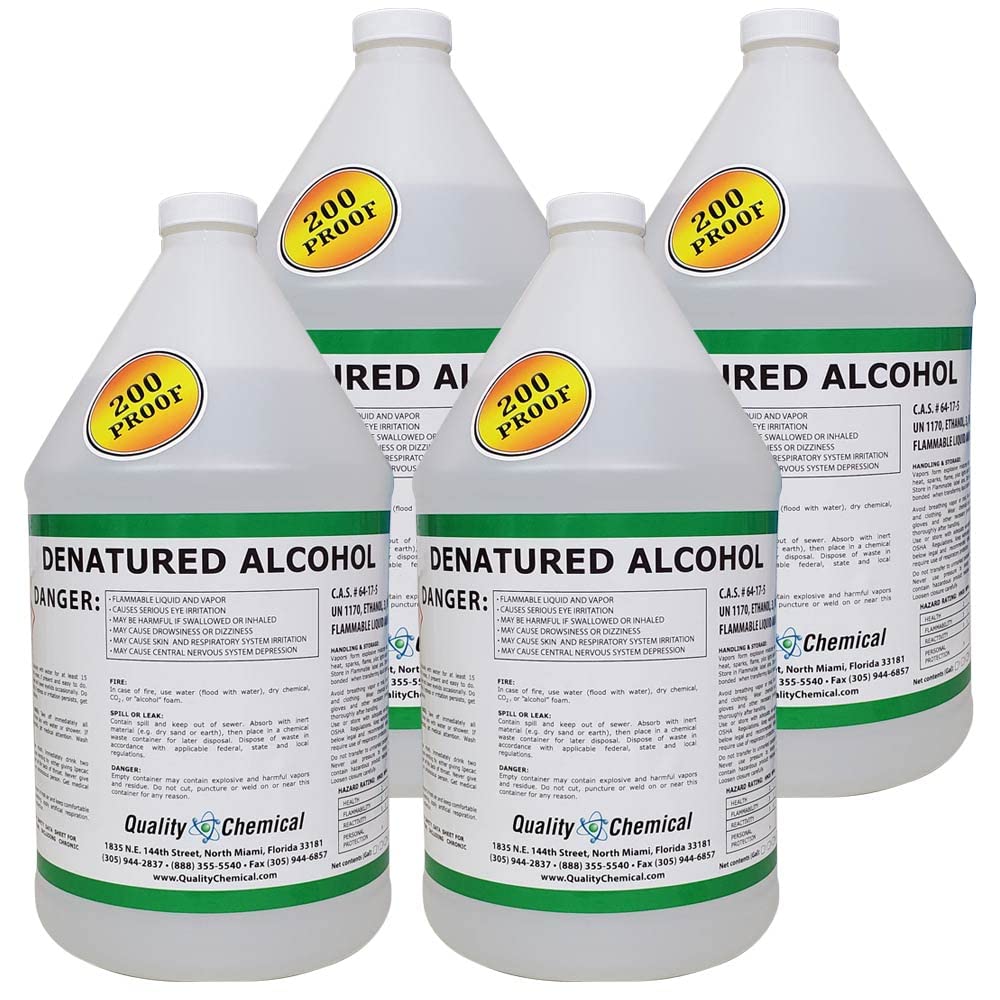
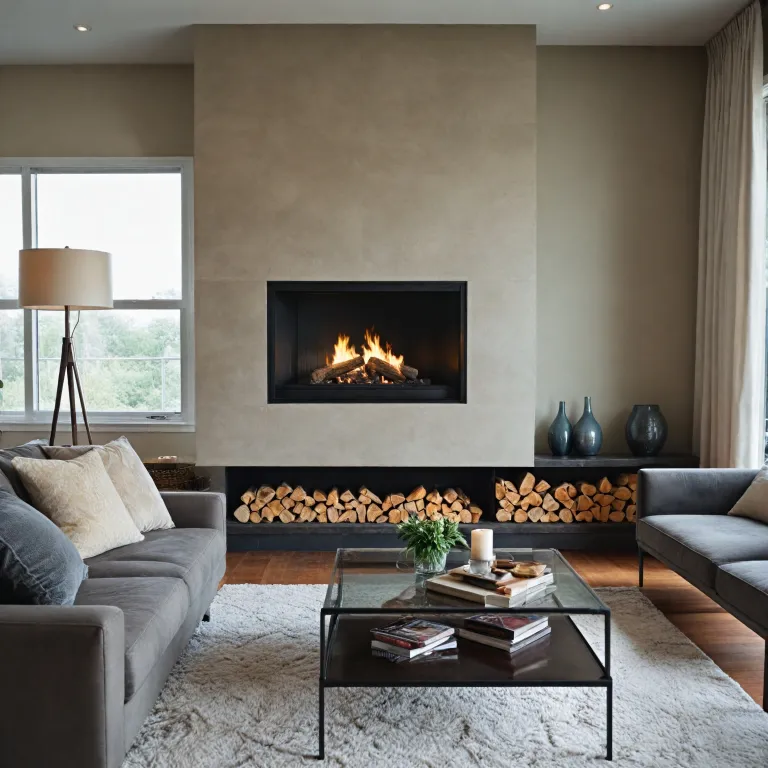
Ethyl alcohol fireplaces, often called ethanol fireplaces or bioethanol fireplaces, are a modern alternative to traditional fireplaces. Instead of burning wood or gas, these fireplaces use ethanol fuel—a clean-burning, renewable energy source. The result? A real flame, minus the smoke, soot, or ash that comes with wood burning. This makes them a favorite for people who want a cozy fire without the mess or hassle of a chimney.
How Ethanol Fireplaces Work
At the heart of every ethanol fireplace is a burner, usually made from stainless steel, where the ethanol fuel is poured. Once lit, the fuel produces a bright, dancing flame that adds warmth and ambiance to any room. Since these fireplaces are ventless, installation is simple—no need for flues or complicated venting systems. You’ll find them in many designs, from recessed wall units to portable fire pits and even outdoor models. Brands like EcoSmart Fire are well-known for their stylish, eco friendly options.
- Ventless fireplaces: No chimney or vent required
- Clean burning: Produces water vapor and a small amount of carbon dioxide
- Flexible installation: Suitable for indoor outdoor use
- Design variety: From sleek modern to classic looks
Why People Choose Ethanol Fireplaces
People love the simplicity and style of ethanol fireplaces. They fit well in apartments, condos, and homes where traditional fireplaces aren’t possible. The clean flame means less maintenance and no lingering smells. Plus, the eco friendly aspect of using bioethanol appeals to those who want a greener lifestyle. If you’re curious about how these compare to electric fireplaces, or want a guide to choosing the right log burner electric fireplace, you’ll find more details in the next sections.
Common Types and Features
| Type | Best For | Notable Features |
|---|---|---|
| Recessed ethanol fireplaces | Modern interiors | Flush with the wall, sleek design |
| Tabletop fire pits | Portable ambiance | Easy to move, great for outdoor or indoor use |
| Freestanding units | Flexible placement | No installation, just set up and enjoy |
Whether you’re drawn to the clean burning flame, the ventless installation, or the stylish design, ethanol fireplaces offer a fresh take on home comfort. In the next sections, you’ll see why many choose these fireplaces for their homes, how to keep safety in mind, and what to expect during installation and maintenance.

Benefits of choosing an ethyl alcohol fireplace
Why Ethanol Fireplaces Are Gaining Fans
People are turning to ethanol fireplaces for more than just their good looks. These fireplaces offer a blend of style, convenience, and eco friendly living that’s hard to beat. Whether you’re after a ventless fireplace for a city apartment or a sleek fire pit for your patio, ethanol fireplaces deliver warmth and a real flame without the hassle of wood burning or gas lines.
- Clean burning: Ethanol fuel burns without producing smoke, soot, or ash. That means no more scrubbing black marks off your walls or worrying about lingering odors. The flame is bright and lively, adding instant ambiance to any room.
- Easy installation: Most bioethanol fireplaces are ventless and don’t need a chimney or flue. You can set up a recessed model in your wall, place a tabletop burner in your living room, or even use an outdoor fire pit. No complex installation, just fill the burner with ethanol fuel and light it up.
- Flexible design: Ethanol fireplaces come in all shapes and sizes. From stainless steel burners to glass-enclosed ecosmart fire models, there’s a design to match every taste. You’ll find options for indoor outdoor use, and even portable units for moving the flame wherever you want.
- Eco friendly: Bioethanol is a renewable fuel made from plants. Burning it releases only a small amount of CO2 and water vapor—nothing like the emissions from traditional fireplaces. It’s a cleaner way to enjoy a real fire at home.
- Low maintenance: Without ash or soot, maintenance is a breeze. Just wipe down the burner and glass occasionally. No need to haul logs or clean out a chimney.
Real-Life Comfort and Style
Imagine curling up by a ventless ethanol fireplace on a chilly evening, the flame flickering behind a glass panel, no mess or fuss. Or hosting friends outdoors with a bioethanol fire pit as the centerpiece—no smoke blowing in anyone’s face. Many homeowners love how easy it is to add warmth and atmosphere to their space, whether it’s a modern apartment or a cozy cottage.
Designers often recommend ecosmart fire and other leading brands for their combination of safety, style, and performance. Stainless steel burners and clean lines fit right into contemporary interiors, while classic models can mimic the look of wood burning fireplaces without the drawbacks.
Comparing Ethanol and Electric Fireplaces
While ethanol fireplaces offer a real flame and flexible installation, some people prefer the simplicity of electric fireplaces. If you’re curious about how these options stack up, check out this guide to choosing the right Napoleon electric fireplace for your home. It covers everything from design to installation, helping you decide which fireplace fits your lifestyle best.
Sources: HGTV: What to Know About Ethanol Fireplaces, Better Homes & Gardens: Ethanol Fireplaces, EcoSmart Fire
Safety considerations for ethyl alcohol fireplaces
Practical tips for safe ethanol fireplace use
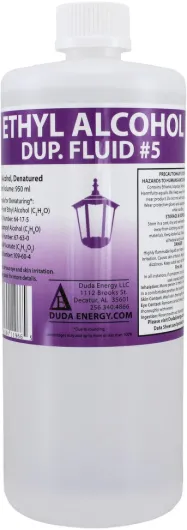
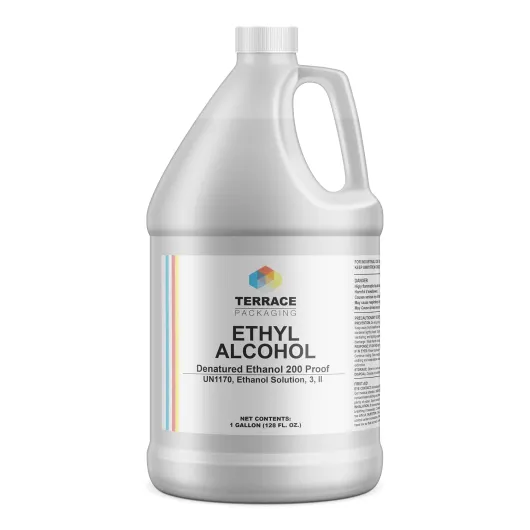
Ethanol fireplaces—also called bioethanol fireplaces—bring real flame and a clean burning experience, but safety should always come first. Whether you’re drawn to a recessed design, a portable fire pit, or an outdoor model, a few habits can help keep your home and loved ones safe.- Choose the right fuel: Only use high-quality ethanol or bioethanol fuel, never substitutes. Lower-grade fuel can create excess smoke or odors and may damage your burner.
- Proper loading: Always fill the burner when the fireplace is completely cool. Spilled fuel can ignite unexpectedly, so wipe up any drips before lighting.
- Ventilation matters: Even though ventless ethanol fireplaces are designed for indoor use, crack a window or ensure good airflow during operation. This helps disperse any trace emissions and keeps the air fresh.
- Keep flammable items away: Maintain a safe distance between the flame and curtains, furniture, or decorations. Ethanol fireplaces get hot—especially around the stainless steel burner and glass panels.
- Never leave a burning fire unattended: Like with traditional fireplaces, always extinguish the flame before leaving the room or going to bed.
- Child and pet safety: Place your ethanol fireplace out of reach of children and pets. Consider models with protective glass or screens for extra peace of mind.
- Outdoor and indoor outdoor use: If using your ecosmart fire or other bioethanol fireplace outdoors, shield it from wind to prevent unpredictable flames. For indoor outdoor models, follow the manufacturer’s installation and safety guide closely.
Common mistakes and how to avoid them
Many accidents happen when people rush the process or skip the manual. Here’s what to watch for:- Overfilling the burner: Stick to the recommended fuel level. Too much ethanol can cause flare-ups or spills.
- Relighting too soon: Wait until the burner is cool before adding more fuel or reigniting. Hot surfaces can ignite vapors instantly.
- Improper installation: Whether wall-mounted, recessed, or freestanding, follow the installation instructions. Secure placement prevents tipping and reduces fire risk.
- Using the wrong fuel: Never use gasoline, kerosene, or other flammable liquids. Only ethanol or bioethanol fuel is safe for these fireplaces.
Comparing safety: Ethanol vs. electric fireplaces
Ethanol fireplaces offer a real flame and eco friendly appeal, but they do require handling flammable fuel and open fire. Electric fireplaces, by contrast, use LED lights and water vapor to create a flame effect—no real burning, no fuel loading, and no emissions. If you’re curious about how electric fireplaces create ambiance without the risks of open fire, check out this guide to water vapor electric fireplaces.Peace of mind with regular maintenance
Keeping your ethanol fireplace clean and well-maintained is part of staying safe. Wipe down the stainless steel burner and glass after use, and check for any residue or blockages. Regularly inspect the burner for wear and replace parts as needed. A clean burning fireplace not only looks better but also works more safely. Sources:- National Fire Protection Association (NFPA) – Home Heating Safety Tips
- EcoSmart Fire – Safety Guidelines
- Consumer Product Safety Commission – Portable Fireplace Safety
Installation and maintenance tips
Simple Steps for a Trouble-Free Experience
Keeping your ethanol fireplace in top shape doesn’t require a toolbox or a degree in engineering. Most models, including popular brands like EcoSmart Fire, are designed for easy care. Here’s what you need to know to keep your fireplace looking sharp and burning clean:
- Use the right fuel: Always use high-quality bioethanol fuel. Cheaper alternatives may leave residue or create unwanted odors. Stick to trusted sources for your ethanol fuel to keep your flame clean and eco friendly.
- Keep it clean: After the burner cools, wipe it down with a soft, damp cloth. Stainless steel parts shine up easily, and regular cleaning prevents buildup. No soot or ash means less mess than traditional fireplaces.
- Check the burner: Before each use, make sure the burner is free of debris. If you notice any discoloration or residue, a quick wipe usually does the trick.
- Monitor fuel loading: Never refill the burner while it’s still hot. Wait until it’s completely cool to the touch. Overfilling can cause spills and affect the flame’s appearance.
- Ventless design perks: Ethanol fireplaces don’t need a chimney or vent, so there’s no flue to clean. This makes installation and ongoing care much easier than wood burning or ventless gas fireplaces.
Installation Tips for a Safe and Stylish Setup
Whether you’re eyeing a recessed wall unit, a freestanding model, or an outdoor fire pit, installation is usually straightforward. Still, a few smart moves will help you get the most from your bioethanol fireplace:
- Choose the right spot: Place your fireplace on a stable, level surface away from flammable materials. For indoor outdoor models, make sure there’s enough airflow but avoid drafty areas that could disrupt the flame.
- Follow the manual: Each fireplace has its own quirks. Read the manufacturer’s guide for installation steps, especially for ecosmart or ventless fireplaces. Some recessed designs may need professional help for a flush finish.
- Outdoor use: Many ethanol fireplaces are rated for outdoor use, but always check the specs. Protect the burner from rain and debris to keep the fire burning clean.
- Loading image and design: If your fireplace features a glass front or decorative image panels, handle them with care during installation. Smudges or fingerprints can distract from the flame’s beauty.
Maintenance Myths and Real-Life Stories
Some folks worry that ethanol fireplaces are high-maintenance, but most users find the opposite. For example, a family in Chicago swapped their wood burning fireplace for a ventless ethanol model and now spend just a few minutes a week on upkeep. No more hauling logs or cleaning out ash—just a quick wipe and a refill of eco friendly fuel.
Bioethanol fireplaces are designed for people who want the warmth and ambiance of a real flame without the hassle. With a little attention to fuel quality and regular cleaning, your fireplace will stay a centerpiece in your home for years.
Sources: EcoSmart Fire FAQ, Home Depot Ethanol Fireplaces Buying Guide
Comparing ethyl alcohol fireplaces to electric fireplaces
Comparing Ethyl Alcohol and Electric Fireplaces: What Sets Them Apart?
If you’re weighing your options between an ethanol fireplace and an electric fireplace, you’re not alone. Both types have their fans, and each brings its own style, convenience, and features to the table. Here’s a straightforward look at how they stack up, so you can feel confident about your choice.- Fuel and Flame: Ethanol fireplaces use bioethanol fuel, which creates a real flame. There’s something mesmerizing about watching the clean burning fire dance behind glass, especially in a recessed or freestanding design. Electric fireplaces, on the other hand, use LED technology to simulate flames—no actual burning, just a realistic image that’s easy on the eyes and safe for kids and pets.
- Installation and Flexibility: Ventless ethanol fireplaces don’t need a chimney or flue, making them easy to install almost anywhere—living room, bedroom, even outdoor spaces. Electric fireplaces are just as flexible, often requiring only a standard outlet. Both can be wall-mounted, built-in, or even designed as a fire pit centerpiece for your patio.
- Maintenance and Cleaning: Bioethanol fireplaces are clean burning, producing no smoke, soot, or ash. You’ll need to refill the burner with ethanol fuel and occasionally wipe down the stainless steel parts. Electric fireplaces are even lower maintenance—just dust them off and check the wiring now and then.
- Heat Output: Ethanol fireplaces provide real warmth, though they’re best for supplemental heating. Electric fireplaces can offer adjustable heat settings, letting you control the temperature with a remote or app. Some models even let you enjoy the flame image without any heat at all.
- Safety: Both options are considered safe when used as directed. Ethanol fireplaces require careful fuel loading and burner handling, while electric fireplaces avoid open flames altogether. Always follow the manufacturer’s safety guide, whether you’re using an ecosmart fire, a ventless ethanol model, or a classic electric unit.
- Eco Friendly Choices: Bioethanol fireplaces use renewable fuel, making them a favorite for eco conscious homeowners. Electric fireplaces are efficient and don’t emit any combustion byproducts, but their environmental impact depends on your local electricity source.
- Design and Ambiance: Both types come in a range of styles, from sleek stainless steel to cozy traditional fireplaces. Ethanol fireplaces often feature a visible, flickering flame, while electric fireplaces offer customizable flame colors and effects—perfect for setting the mood in any room.
- U.S. Department of Energy – Fireplaces, Stoves, and Chimneys
- EcoSmart Fire – Bioethanol Fireplace Information
- Consumer Reports – Fireplace Buying Guide
Choosing the right ethyl alcohol fireplace for your space
How to Pick the Best Ethanol Fireplace for Your Home
Finding the right ethanol fireplace can feel like a breath of fresh air—clean burning, no chimney, and a real flame that brings warmth and style. But with so many fireplaces out there, how do you choose the one that fits your space and your needs?- Room Size & Placement: Think about where you want your fire. For a cozy living room, a recessed or wall-mounted bioethanol fireplace can save space and add a modern touch. If you love entertaining outdoors, look for an outdoor or indoor outdoor model—fire pits and portable ecosmart fire tables are popular for patios.
- Design & Materials: Ethanol fireplaces come in all shapes and finishes. Stainless steel burners offer a sleek, modern look and resist corrosion. Glass panels let you enjoy the flame from every angle. For a classic vibe, some models mimic traditional fireplaces but without the mess of wood burning.
- Ventless Convenience: Most ethanol fireplaces are ventless, so you won’t need a chimney or flue. This makes installation a breeze—just follow the guide ethanol manufacturers provide. Wall-mounted and freestanding options are especially easy to set up.
- Burner Size & Fuel Capacity: The size of the burner affects how long your fire will last and how much heat it gives off. Larger burners mean a bigger, longer-lasting flame but use more ethanol fuel. If you want a fire that burns all evening, check the fuel tank capacity before you buy.
- Safety Features: Look for models with safety glass, secure burner lids, and clear instructions for loading fuel. Some brands, like ecosmart, are known for their focus on safety and clean burning technology. Always use the recommended bioethanol fuel and never refill while the fire is burning or hot.
- Eco Friendly & Clean Burning: Ethanol fireplaces don’t produce smoke or ash, making them a clean choice for indoor air quality. Bioethanol is a renewable fuel, so you can enjoy your fire knowing it’s eco friendly.
Real-Life Examples & Use Cases
- Apartment Living: A ventless ethanol fireplace is perfect for renters or condo owners who can’t install a chimney. Freestanding models can move with you, and recessed designs fit flush with the wall for a sleek look.
- Outdoor Entertaining: Fire pits and portable ecosmart fire tables create a warm gathering spot on the patio. Many are weather-resistant and easy to move.
- Modern Renovations: Homeowners updating their space often choose stainless steel or glass bioethanol fireplaces for a clean, contemporary feel. The flame becomes a design feature, not just a heat source.
Quick Tips Before You Buy
- Always check the installation requirements and safety certifications.
- Consider how often you’ll use your fireplace—frequent use may call for a larger fuel tank or easy-to-refill burner.
- Look for brands with a reputation for quality, like ecosmart or other established bioethanol fireplace makers.
- Don’t forget about maintenance—bioethanol fireplaces are low maintenance, but regular cleaning keeps the flame looking its best.
Choosing the right ethanol fireplace is about balancing design, safety, and how you want to enjoy your fire. Whether you want a ventless centerpiece for your living room or a portable fire pit for outdoor nights, there’s a clean burning, eco friendly option out there that will fit your style and space.
Sources: Hearth, Patio & Barbecue Association (HPBA), EcoSmart Fire, Bioethanol Fireplace Safety Guidelines, Consumer Reports.