

Understanding wall electric heaters
What Makes Wall Electric Heaters Stand Out?
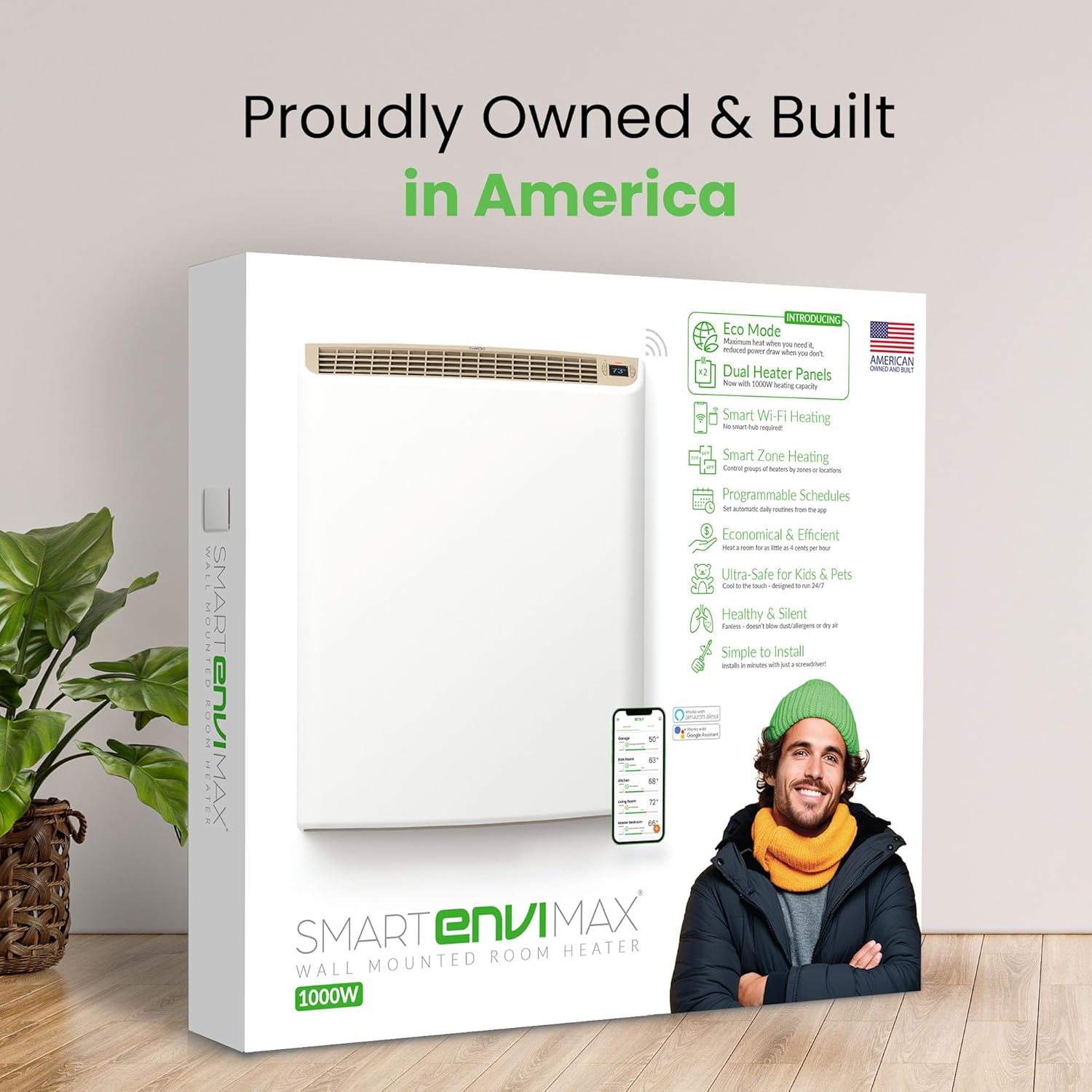
Wall electric heaters have become a favorite for homeowners who want a blend of comfort, style, and efficiency. Unlike traditional space heaters, these units are designed to mount directly onto your wall, saving precious floor space and offering a sleek, modern look. Whether you’re outfitting a cozy bedroom, a busy kitchen, or a chilly hallway, a wall mounted electric heater can be a smart choice for targeted heating.
How Do Wall Electric Heaters Work?
At their core, wall electric heaters use electricity to generate warmth. Many models feature a panel heater design, which radiates heat evenly across the room. Some use infrared technology, providing radiant heat that warms people and objects directly—much like the sun. Others rely on convection, circulating warm air for a gentle, consistent temperature. You’ll find options with built-in thermostats, smart electric controls (including Alexa compatibility), and even stainless steel finishes for a touch of style.
Why Choose a Wall Mounted Solution?
- Space-saving: Wall mount heaters free up your floor, making them perfect for smaller rooms or apartments.
- Energy efficient: Many electric wall heaters are designed to heat only the space you need, helping you manage your energy use and lower your bills.
- Modern features: From smart thermostats to overheat protection, today’s products offer peace of mind and convenience.
- Style: Available in white, black, or stainless steel, these heaters can blend in or stand out, depending on your taste.
Comparing Price and Value
The price of a wall electric heater varies based on features, size, and brand. While some entry-level models are budget-friendly, others with advanced smart controls or infrared heating panels may cost more. It’s worth considering the long-term savings from energy efficient operation and the added value of safety features like overheat protection.
For a closer look at different types of wall mounted electric heaters and how to choose the right one for your needs, check out this guide to 220 volt wall mounted electric heaters.

Types of wall electric heaters
Popular Styles and Technologies
Wall electric heaters come in a range of styles and technologies, each offering its own blend of comfort, efficiency, and design. Whether you’re looking for a slim panel heater in classic white, a radiant stainless steel unit, or a smart electric heater with Alexa compatibility, there’s a product to match your needs and budget. Here’s a quick look at the most common types you’ll find on the market:
- Panel Heaters: These sleek, flat heaters mount directly to your wall and blend in with modern décor. Panel heaters are often energy efficient, with built-in thermostats and overheat protection. They’re ideal for bedrooms, offices, or any space where you want gentle, consistent warmth.
- Infrared Heaters: Using radiant heat, these units warm people and objects directly rather than just the air. Infrared wall heaters are popular for their quick heating and silent operation. They’re perfect for spot heating in living rooms or chilly basements.
- Electric Fireplaces: If you want both heat and ambiance, a wall mounted electric fireplace offers the look of real flames without the hassle of wood or gas. Many models feature adjustable thermostats, remote controls, and energy efficient LED lighting.
- Smart Electric Heaters: These heaters connect to Wi-Fi and can be controlled via smartphone apps or voice assistants like Alexa. Smart features let you schedule heating, monitor energy use, and adjust the temperature from anywhere.
- Traditional Wall Heaters: Compact and powerful, these electric wall heaters are designed for fast heating in small spaces. Many include a built-in thermostat and overheat protection for added safety.
Comparing Features and Price Points
Choosing the right wall heater often comes down to matching features with your space and budget. For example, a simple panel heater may be more affordable, while a smart electric wall heater with advanced controls and stainless steel finish will cost more but offer greater convenience. Energy efficient models can help lower your bills over time, especially those with programmable thermostats and eco modes.
| Type | Best For | Key Features | Typical Price Range |
|---|---|---|---|
| Panel Heater | Bedrooms, offices | Wall mount, slim, energy efficient, built-in thermostat | $100 - $300 |
| Infrared Heater | Living rooms, basements | Radiant heat, silent, fast heating | $120 - $400 |
| Electric Fireplace | Living areas, ambiance | Flame effect, remote, thermostat | $200 - $700 |
| Smart Electric Heater | Tech-savvy users | Wi-Fi, Alexa, app control, energy monitoring | $250 - $800 |
| Traditional Wall Heater | Small rooms, quick heat | Compact, built-in thermostat, overheat protection | $80 - $250 |
When comparing products, consider the size of your space, the heater’s mounting options, and whether you want features like a built-in thermostat or smart controls. For more details on selecting the right voltage and installation tips, check out this guide to 220 volt wall mounted electric heaters.
Sources: Energy.gov (Wall Heaters), Consumer Reports (Space Heater Buying Guide), manufacturer product pages (Dimplex, Stiebel Eltron, Cadet, DeLonghi).
Key features to consider
What Makes a Wall Electric Heater Stand Out?
Choosing a wall electric heater is more than just picking the first product you see. The right features can make your space warmer, safer, and even smarter. Here’s what to look for when comparing heaters:- Thermostat Control: A built-in thermostat lets you set your preferred temperature. This helps maintain a steady, comfortable heat and can save energy by preventing overheating. Many modern wall heaters include digital thermostats for precise control.
- Energy Efficiency: Look for models labeled as energy efficient. Panel heaters and radiant wall heaters often offer lower running costs. Features like eco-modes or programmable timers can help you use less electricity without sacrificing comfort.
- Smart Features: Some electric wall heaters connect with smart home systems like Alexa, letting you control your heater with your voice or phone. This is especially handy for busy mornings or when you’re away from home.
- Safety Features: Overheat protection is a must. This feature automatically shuts off the heater if it gets too hot, reducing fire risk. Some models also have child locks or cool-touch panels for extra peace of mind.
- Mounting Options and Design: Wall mounted and panel heaters come in various styles, including slim white panels and stainless steel finishes. Consider the look and size—will it fit your space and match your décor? Wall mount options save floor space and keep the heater safely out of the way.
- Heating Technology: Infrared heaters and radiant heaters warm objects and people directly, rather than just the air. This can feel more natural and is often more efficient in drafty rooms. Electric panel heaters provide even, gentle warmth across the room.
- Price and Value: Compare the price of different wall heaters, but don’t just go for the cheapest. Think about long-term savings from energy efficient models, and check if the heater offers features like a built-in thermostat or smart controls that add value.
- Energy.gov, "Electric Resistance Heating" (source)
- Consumer Reports, "Space Heater Buying Guide" (source)
- Wirecutter, "The Best Space Heaters" (source)
Installation tips and best practices
Getting Your Wall Heater Up and Running
A wall mounted electric heater can be a real game-changer for comfort and style, but a smooth installation makes all the difference. Here’s what you need to know to get your heater on the wall and working safely and efficiently.- Choose the right spot: Pick a wall with enough open space for the heater panel. Avoid placing it behind furniture or curtains, as this blocks radiant heat and can affect efficiency. For infrared heaters, keep the path clear for best warmth.
- Check your power supply: Most electric wall heaters need a standard outlet, but some larger panel heaters or smart electric models may require hardwiring. Always check the product manual and, if unsure, ask a licensed electrician.
- Mounting made simple: Many wall heaters come with a mounting kit. Use a level to keep your heater straight, and secure it to wall studs for stability. Stainless steel brackets offer extra strength, especially for heavier electric fireplaces or panel heaters.
- Thermostat placement: If your heater has a built-in thermostat, make sure it’s not near windows or doors. Drafts can trick the thermostat and make your space heater work harder, raising your energy bill.
- Smart features: Some wall heaters offer Alexa compatibility or app control. Make sure your Wi-Fi signal is strong where you plan to mount the heater, so you can enjoy those smart features without frustration.
- Safety first: Always follow the manufacturer’s guidelines. Overheat protection is a must—never block the vents, and keep flammable items away from the heater wall.
Real-Life Tips for a Hassle-Free Install
- If you’re installing a white electric panel heater in a bathroom or kitchen, check for splash protection ratings. Not all heaters are made for damp spaces.
- For renters, look for wall mounted electric heaters that offer easy removal and minimal wall damage.
- If you want to maximize energy efficiency, use a programmable heater thermostat. Set your heating schedule to match your daily routine and avoid heating empty rooms.
Cost and Value Considerations
The price of installation can vary. DIY-friendly models keep costs down, while hardwired heaters may need professional help. Investing in an energy efficient panel heater or a smart electric fireplace can pay off in lower energy bills and more precise comfort. For more installation tips and best practices, check reputable sources like Energy.gov and manufacturer guides (source: https://www.energy.gov/energysaver/home-heating-systems/wall-heaters).Safety considerations for wall electric heaters
Protecting Your Home and Loved Ones
Wall electric heaters bring cozy warmth to your space, but safety should always come first. Whether you’re mounting a sleek white panel heater in the living room or adding a smart electric fireplace to your bedroom, a few simple steps can make all the difference.- Overheat Protection: Choose heaters with built-in overheat protection. This feature automatically shuts off the heater if it gets too hot, helping prevent accidents and giving you peace of mind. Most modern electric wall heaters and panel heaters include this as standard, but always double-check the product details.
- Thermostat Control: A built-in thermostat isn’t just about comfort or energy efficiency—it’s also about safety. It keeps the temperature steady, so your heater won’t run longer than needed. Smart electric heaters with thermostat control or even Alexa compatibility can help you monitor and adjust settings from anywhere.
- Proper Mounting: Wall mounted heaters and electric panels should always be installed according to the manufacturer’s instructions. Use the recommended wall mount brackets and hardware. Make sure the heater is securely fastened and at the right height to avoid accidental contact, especially in homes with children or pets.
- Clear Space: Keep furniture, curtains, and other flammable items at least three feet away from your heater. Even radiant and infrared heaters, which are known for their efficient heating, need breathing room to work safely.
- Quality Materials: Look for heaters made with durable materials like stainless steel. These not only last longer but also resist overheating and warping.
- Regular Maintenance: Dust and debris can build up on electric wall heaters and panel heaters, affecting both performance and safety. Wipe down your heater regularly and check for any signs of wear or damage.
- Smart Features: Some smart electric wall heaters offer safety alerts, remote shut-off, and child lock features. These extras can add another layer of protection, especially in busy households.
- U.S. Department of Energy – Portable Heaters
- Consumer Product Safety Commission – Heater Safety Tips
- National Fire Protection Association – Heating Safety
Maximizing energy efficiency
Simple Ways to Save Energy and Money
Choosing an energy efficient wall electric heater can make a real difference in your comfort and your wallet. The right product keeps your space warm without sending your energy bill through the roof. Here are some practical tips to help you get the most out of your electric wall heater:- Use the built-in thermostat – Set your heater thermostat to the lowest comfortable temperature. A smart electric heater with a programmable thermostat or Wi-Fi controls (like Alexa compatibility) lets you schedule heating for when you need it most, so you’re not wasting energy when you’re away.
- Zone heating – Focus on heating the rooms you use most. Wall mounted electric heaters and panel heaters are perfect for this. Instead of cranking up your central heating, use a space heater or radiant panel in your living room or bedroom for targeted warmth.
- Choose the right size and type – A heater that’s too small will run constantly, while an oversized one wastes energy. Match the heater’s wattage and type (infrared heater, radiant, or convection panel) to your room size for the most efficient heating.
- Seal up drafts – Even the most efficient wall heater can’t compete with a drafty room. Check windows and doors for leaks. Simple weatherstripping can help your heater maintain a steady temperature and reduce energy use.
- Mount for maximum efficiency – Wall mount your electric panel heater or wall heater at the recommended height. This helps distribute heat evenly and prevents hot air from getting trapped near the ceiling.
- Look for energy-saving features – Features like overheat protection, eco modes, and stainless steel heating elements can improve efficiency and safety. Some smart electric heaters even learn your habits to optimize heating cycles.
Real-Life Example: Smart Heating in Action
Sarah, a busy professional, installed a white wall mounted electric panel heater with a built-in thermostat in her home office. She programmed it to turn on 30 minutes before she starts work and shut off automatically at the end of the day. Her energy bill dropped, and her workspace stays cozy without overheating the rest of the house.Comparing Efficiency: Infrared vs. Panel Heaters
| Heater Type | How It Heats | Best For | Energy Efficiency |
|---|---|---|---|
| Infrared Heater | Radiant heat warms objects and people directly | Spot heating, quick warmth | Very efficient for small spaces |
| Panel Heater | Convection warms air in the room | Consistent background heat | Efficient for larger or frequently used rooms |