

What is a bioethanol fireplace and how does it work
How Bioethanol Fireplaces Create Real Flame Without Wood or Gas
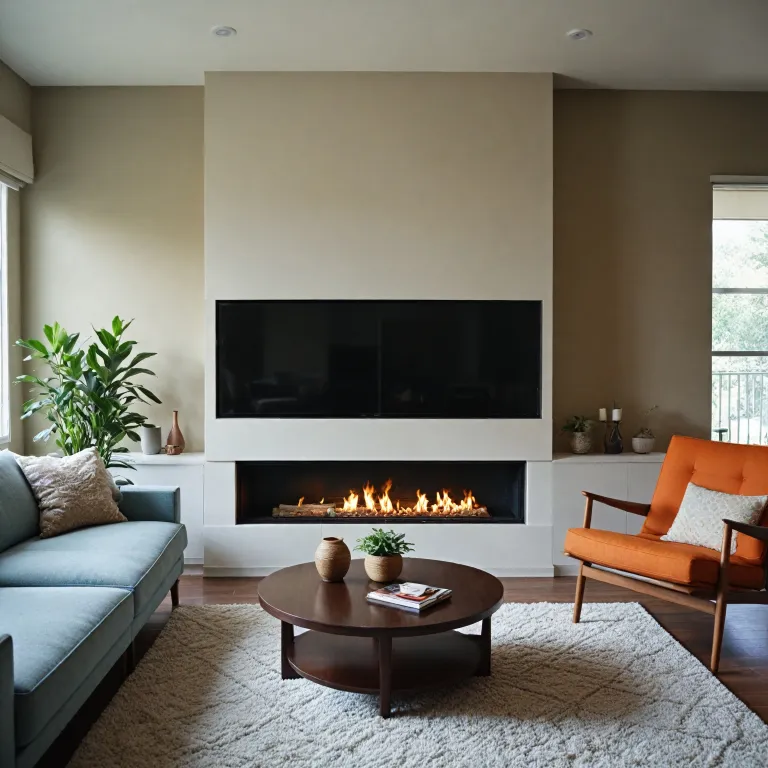
Bioethanol fireplaces have become a popular choice for those who want the beauty of a real flame without the hassle of wood burning or the need for a gas line. These fireplaces use bioethanol fuel—a clean-burning, renewable liquid made from plant byproducts like corn or sugarcane. When you pour this ethanol fuel into the burner and ignite it, you get a lively, orange flame that brings warmth and atmosphere to any room, indoors or outdoors.
Unlike traditional wood burning or natural gas fireplaces, bioethanol fireplaces don’t need a chimney or vent. That means you can install them in apartments, condos, or even outdoor spaces like patios and balconies. The fire burns clean, producing only water vapor and a small amount of carbon dioxide, so it won’t affect your air quality the way wood smoke can. This makes them a favorite for people who want a fireplace but are concerned about indoor air quality or live where wood burning is restricted.
Types and Features That Make Bioethanol Fireplaces Stand Out
- Free standing: Move these anywhere you want, from living rooms to covered patios.
- Wall mounted: Save floor space and add a modern touch to your décor.
- Fireplace insert: Upgrade an old wood burning fireplace with a clean-burning option.
- Fire bowls and fire pits: Perfect for outdoor gatherings or cozy evenings on the deck.
- Remote control: Some models let you adjust the flame or turn the fire on and off from your couch.
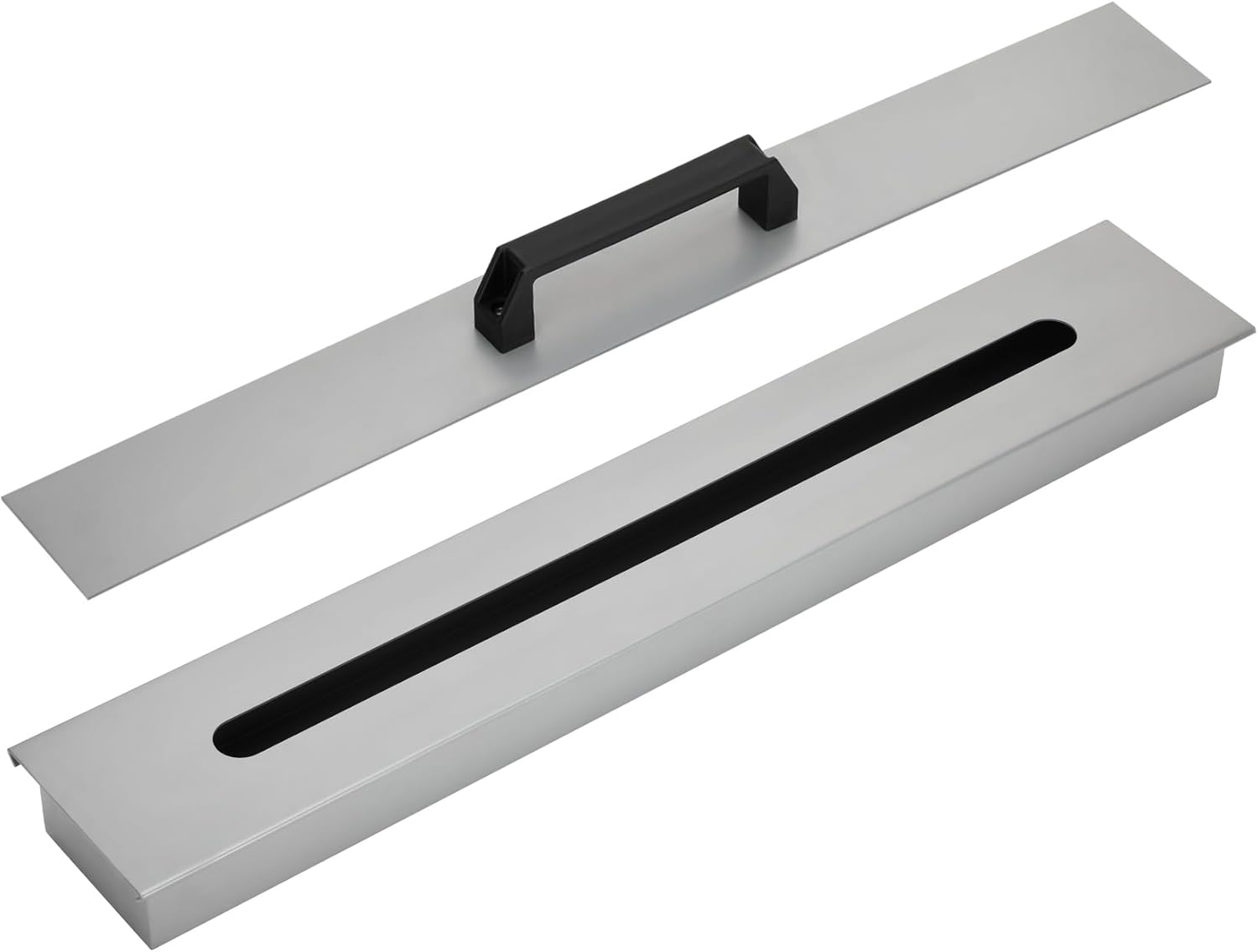
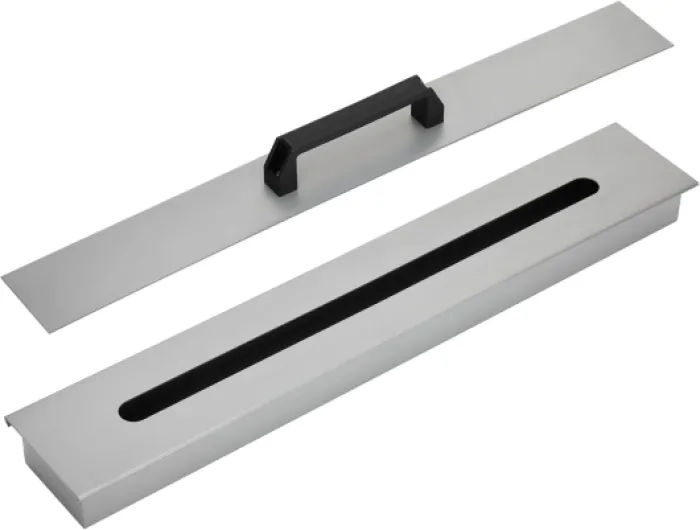
- Stainless steel burners: Durable and stylish, often featured in premium products.
Bioethanol fireplaces come in all shapes and sizes, from small tabletop models to large, featured centerpieces. Many shops offer a wide range of options, so you can search for the right fit for your space and style. Some even offer indoor outdoor models, giving you flexibility for year-round use.
Safety and Clean Burning: What to Know Before You Buy
One of the biggest draws of bioethanol fireplaces is their safety and clean-burning nature. There’s no ash, soot, or smoke—just a real flame that’s easy to control. Still, it’s important to use only approved bioethanol fuel and follow the manufacturer’s safety instructions. Never refill the burner while it’s hot or burning, and always keep the fuel out of reach of children and pets.
While bioethanol fireplaces offer a real flame, they don’t produce as much heat as some electric fireplaces or natural gas models. If you’re looking for more heat output, you might want to compare your options. For a deeper look at how different heating appliances stack up, check out this guide on choosing between a radiator heater and a space heater.
Bioethanol fireplaces are a stylish, flexible, and eco-friendly way to enjoy a real fire. They’re easy to install, safe when used properly, and offer a range of options to suit your needs. As you shop, keep in mind the fuel costs, safety features, and the look you want to achieve—these topics will come up as you compare prices and features in the next sections.
Sources: U.S. Department of Energy (energy.gov), EPA Burn Wise (epa.gov), Bioethanol Fireplace Safety Guidelines (manufacturer documentation).

Key factors that influence bioethanol fireplace price
What Drives the Price Tag of a Bioethanol Fireplace?
If you’re comparing fireplace options, the price of a bioethanol fireplace can raise a few eyebrows. It’s not just about the sticker price—there are several factors that shape what you’ll pay. Here’s what to keep in mind as you shop for your next clean burning fire.- Design and Size: A small tabletop fire bowl or free standing model will cost less than a large wall mounted or fireplace insert. Sleek stainless steel finishes, glass panels, and modern designs can bump up the price. Outdoor models and indoor outdoor fireplaces also tend to cost more due to weather-resistant materials.
- Burner Technology: Some ethanol fireplaces offer advanced features like remote control, adjustable flame, or water vapor effects for a more realistic fire. These extras add to the cost but can make your fireplace more enjoyable and convenient.
- Fuel Efficiency and Capacity: The size of the burner and the amount of bioethanol fuel it holds will impact both the price and how long you can enjoy the flame. Larger burners mean longer burning times but usually come with a higher price tag.
- Safety Features: Look for products with safety certifications, automatic shut-off, or double-walled construction. These features protect your home and improve air quality, but they can also increase the price.
- Brand and Where You Shop: Well-known brands or featured products from specialty shops may cost more, but they often offer better warranties and customer support. Shopping around can help you find the best offers.
Fuel and Ongoing Costs
Bioethanol fireplaces use ethanol fuel, which is sold separately. The price of bioethanol fuel varies depending on the brand, purity, and where you buy it. Keep in mind that regular use means ongoing fuel costs, unlike wood burning or natural gas fireplaces that may have different running expenses. If you’re comparing heating appliances, you might want to check out this guide on choosing between a radiator heater and a space heater to see how bioethanol fireplaces stack up in terms of efficiency and price.Extra Features and Accessories
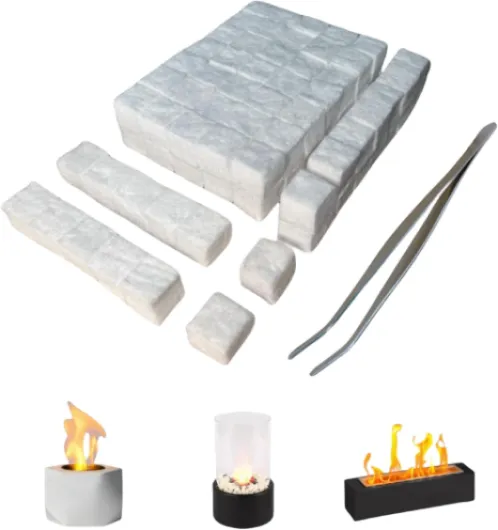
Some ethanol fireplaces come with extras like decorative stones, glass screens, or custom fireplace fuel containers. These add-ons can make your fire pit or fireplace stand out, but they’ll also show up in the final bill.Real-Life Example
A small tabletop bioethanol fireplace might cost under $100, while a large wall mounted or built-in model with remote control and advanced safety features can run over $1,000. Outdoor fire pits and indoor outdoor models often fall somewhere in between, depending on size and materials.Summary Table: What Impacts Bioethanol Fireplace Price?
| Factor | Impact on Price |
|---|---|
| Design & Size | Small, simple models cost less; large, stylish options cost more |
| Burner Technology | Remote control, water vapor, and adjustable flame increase price |
| Fuel Efficiency | Bigger burners and longer burning times cost more |
| Safety Features | Certified, advanced safety adds to cost |
| Brand & Shop | Premium brands and specialty shops usually charge more |
| Accessories | Decorative and functional extras increase price |
| Fuel | Ongoing cost for bioethanol fuel |
Every fireplace has its own story. Whether you want a cozy indoor fire or a statement piece for your patio, knowing what shapes the price can help you find the right fit for your budget and style. For more on how to pick the best option, keep reading the next sections.
Sources: Energy.gov, EPA, Consumer Reports, Manufacturer product pages (Planika, EcoSmart Fire, Ignis, Bio-Blaze)
Comparing bioethanol and electric fireplace costs
Comparing the Real Price: Bioethanol vs. Electric Fireplaces
When you’re weighing up a bioethanol fireplace against electric fireplaces, the price tag is just the start. Both options offer clean burning and stylish flame effects, but their costs—upfront and ongoing—can be quite different. Here’s what you need to know to make a smart choice for your home or outdoor space.- Initial Purchase: Bioethanol fireplaces come in a range of styles—free standing, wall mounted, fireplace insert, fire bowl, and even outdoor fire pit models. Prices vary widely, with small tabletop models starting around $100, while larger, stainless steel or designer options can reach $2,000 or more. Electric fireplaces, on the other hand, often start at a similar price for basic models, but high-end units with features like remote control, water vapor flame effects, or built-in heaters can also climb into the thousands. Learn more about electric fireplace features and costs.
- Fuel and Running Costs: Bioethanol fireplaces require bioethanol fuel, which is sold in bottles or cans. Depending on the size of the burner and how often you use your fireplace, you might spend $2–$4 per hour of burning. Electric fireplaces run on standard electricity, and their operating cost depends on your local power rates and how much heat you use. On average, running an electric fireplace costs about $0.10–$0.20 per hour for flame effects, and $0.20–$0.50 per hour with the heater on. No need to shop for fuel—just plug in and go.
- Installation: Most bioethanol fireplaces are ventless and don’t need a chimney or gas line, but larger built-in models may require professional installation. Electric fireplaces are usually even simpler—many are plug-and-play, and wall mounted or insert models only need basic tools. No need to worry about air quality or natural gas connections with either option.
- Maintenance and Safety: Bioethanol fireplaces need regular cleaning of the burner and careful handling of ethanol fuel. Electric fireplaces are nearly maintenance-free, with no real flame or fuel to manage. Both offer clean burning, but electric fireplaces are often considered safer for homes with kids or pets, as there’s no open fire or hot fuel.
- Other Costs: Don’t forget about accessories. Bioethanol fireplaces may require special fireplace fuel, safety screens, or featured products like decorative stones. Electric fireplaces might tempt you with upgrades like LED lighting, sound effects, or smart home integration.
- Energy.gov. "Electric Fireplaces: Pros, Cons, and Costs." https://www.energy.gov/energysaver/articles/electric-fireplaces-pros-cons-and-costs
- Bioethanol-fireplace.co.uk. "Bioethanol Fireplace FAQ." https://www.bioethanol-fireplace.co.uk/faq
- Home Depot. "Fireplace Buying Guide." https://www.homedepot.com/c/ab/fireplace-buying-guide/9ba683603be9fa5395fab901e2d7c8b
Hidden costs to consider when buying a bioethanol fireplace
Costs That Catch Buyers Off Guard
When you shop for a bioethanol fireplace, the price tag on the product is just the start. Many people are drawn in by the promise of clean burning and the absence of a chimney, but there are extra expenses that can sneak up on you. Here’s what to watch for:- Bioethanol Fuel: The ongoing cost of bioethanol fuel is a big one. Unlike wood burning or natural gas fireplaces, you’ll need to buy ethanol regularly. Depending on how often you use your fireplace, this can add up quickly. According to the U.S. Department of Energy, bioethanol fuel typically costs between $2 and $5 per liter, and a small fire can burn through a liter in just a few hours (source).
- Ventilation and Air Quality: While bioethanol fireplaces are marketed as clean burning, they still produce carbon dioxide and water vapor. In small or poorly ventilated rooms, this can affect air quality. You may need to invest in a carbon monoxide detector or improve ventilation, especially if you use your fireplace often (source).
- Accessories and Safety Features: Many ethanol fireplaces offer options like remote control, stainless steel burners, or safety glass. These features can increase the price. If you want a wall mounted, free standing, or fireplace insert model, expect to pay more for installation or mounting kits.
- Maintenance and Cleaning: While there’s no ash or soot, you’ll still need to clean the burner and check for residue from the ethanol fuel. Some products require special cleaning agents or replacement parts over time.
- Outdoor and Indoor Use: If you plan to use your fireplace outdoors or as a fire pit, you may need weather-resistant covers or extra safety measures. Not all ethanol fireplaces are designed for outdoor use, so check the manufacturer’s recommendations.
Comparing Hidden Costs with Other Fireplace Types
Bioethanol fireplaces are often compared to electric fireplaces, natural gas, or wood burning models. While they offer clean burning and flexibility, the recurring cost of bioethanol fuel and the need for proper ventilation can make them more expensive in the long run. Electric fireplaces, for example, have lower ongoing costs and don’t impact air quality in the same way (source).What to Ask Before You Buy
Before you make a decision, ask yourself:- How much will I spend on bioethanol fuel each month?
- Does the fireplace offer the safety features I need?
- Will I use it mostly indoors, outdoors, or both?
- Are there extra costs for installation, accessories, or maintenance?
How to choose the right bioethanol fireplace for your budget
Finding the Right Fit for Your Space and Wallet
Choosing a bioethanol fireplace that matches your budget and needs can feel overwhelming with so many options and features. Here’s how to make a smart choice without overspending or missing out on what matters most.Think About Where You’ll Use It
Are you searching for a cozy indoor fire or something to warm up your outdoor evenings? Free standing fireplaces are easy to move and set up, while wall mounted models save floor space and look sleek. If you want a centerpiece for your patio, a fire pit or fire bowl could be perfect. For small rooms or apartments, a compact fireplace insert or tabletop model keeps things simple and affordable.Compare Features That Matter
Some fireplaces offer remote control, adjustable flame size, or even water vapor effects for a more realistic look. Stainless steel finishes add a modern touch and are easy to clean. If you care about air quality, look for clean burning models that use high-quality bioethanol fuel. Safety features like automatic shut-off and child locks are worth the extra price, especially for families.Fuel and Running Costs
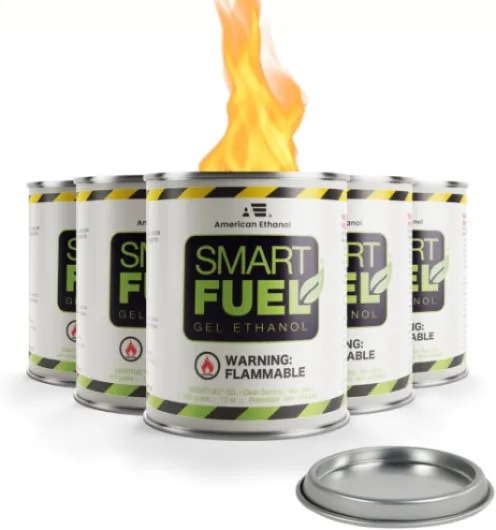
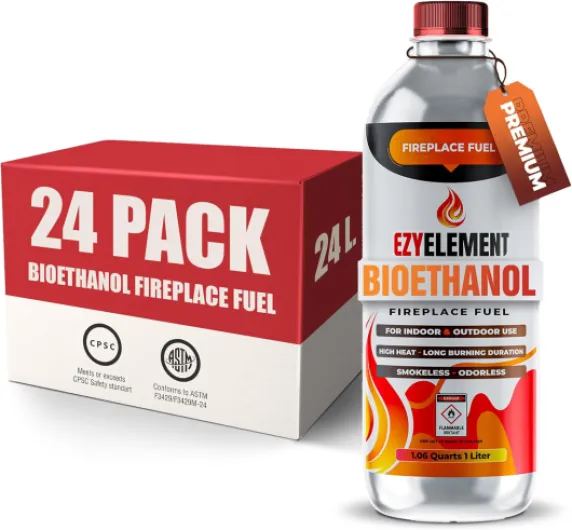
Bioethanol fuel is sold in bottles or cans, and prices vary depending on the brand and purity. Some products burn longer and cleaner, saving you money over time. If you plan to use your fireplace often, check how much fuel it needs per hour. This helps you estimate the real cost of enjoying that beautiful flame.- Bioethanol fuel: Look for brands that offer clean burning and minimal odor.
- Fireplace fuel capacity: Larger tanks mean fewer refills but may cost more upfront.
- Burning time: Some ethanol fireplaces can run for 4-8 hours on a single fill.
Shop Smart: Compare Offers and Read Reviews
When you shop, compare prices and features across different brands. Some retailers offer bundles with free bioethanol fuel or discounts on accessories. Check customer reviews for real-life experiences—look for comments on ease of use, flame quality, and customer service. This can help you avoid products that sound good on paper but disappoint in practice.Consider Safety and Certification
Always check if the fireplace meets safety standards and comes with clear instructions. Certified products are tested for safe burning and air quality. If you’re planning to use your fireplace indoors, make sure it’s designed for indoor use and has proper ventilation recommendations.Don’t Forget Hidden Costs
Beyond the sticker price, remember to factor in the ongoing cost of bioethanol fuel, possible maintenance, and any accessories you might want, like a remote control or decorative stones. Some fireplaces require special ethanol fuel or replacement parts, so check availability before you buy.Personal Stories: What Buyers Say
Many users love the clean look and easy setup of bioethanol fireplaces. One customer shared how their small free standing model added instant warmth and style to their apartment, while another praised the convenience of a wall mounted unit in their outdoor lounge. Most agree that paying a bit more for quality fuel and safety features is worth it for peace of mind and a better flame. Sources:- Energy.gov – Fireplaces and Woodstoves
- Bioethanol Fireplace Guide – Bioethanol Fireplace UK
- Consumer Reports – Fireplace Buying Guide
Frequently asked questions about bioethanol fireplace price
Is bioethanol fuel expensive compared to other fireplace options?
Bioethanol fuel is generally more costly per hour of use than natural gas or wood burning, but it offers clean burning with no smoke, ash, or soot. The price of bioethanol fuel can vary based on brand, purity, and where you shop. For example, a liter of bioethanol can cost between $3 and $5, and most fireplaces burn about 0.5 liters per hour. Electric fireplaces, by comparison, usually cost less to operate, especially if your local electricity rates are low. For outdoor use, bioethanol fire pits and bowls provide flexibility but may require more frequent refueling.
Are there hidden costs with bioethanol fireplaces?
Yes, there are a few extra costs to keep in mind. While the initial price of a bioethanol fireplace can be attractive, ongoing expenses include regular purchases of bioethanol fuel. Some models, especially those with stainless steel burners or remote control features, may require occasional maintenance or replacement parts. If you want to use your fireplace both indoor and outdoor, you might need to buy extra accessories or covers to protect it from the elements. Always check what’s included in the offers before you buy.
How safe are bioethanol fireplaces for indoor air quality?
Bioethanol fireplaces are considered safe for indoor use when operated correctly. They produce water vapor and a small amount of carbon dioxide while burning, but no harmful smoke or particulates. Always use high-quality bioethanol fuel and follow the manufacturer’s safety instructions. Make sure your room is well-ventilated, especially if you’re burning the fireplace for long periods. Never refill the burner while it’s still hot or the flame is active. For added peace of mind, some featured products offer built-in safety sensors and automatic shut-off functions.
Can I use bioethanol fireplaces outdoors?
Absolutely. Many bioethanol fireplaces are designed for both indoor and outdoor use. Free standing fire pits, fire bowls, and wall mounted models can create a cozy atmosphere on patios or balconies. Just remember, outdoor conditions like wind can affect the flame and fuel consumption. Always check the product description to see if it’s rated for outdoor use and consider weather-resistant materials like stainless steel for longer life.
What size fireplace should I choose for a small space?
If you have a small room or apartment, look for compact or wall mounted bioethanol fireplaces. Fireplace inserts can also be a smart choice if you want to convert an existing wood burning hearth. Small models offer the same clean burning flame and ambiance as larger ones, but use less fuel and fit better in tight spaces. Always measure your area and check the product’s heating capacity before you buy.
Are there alternatives to bioethanol fireplaces?
Yes, there are several alternatives. Electric fireplaces are popular for their low running costs, ease of installation, and safety features. Some even offer water vapor technology for a realistic flame effect. Natural gas fireplaces provide steady heat but require professional installation and venting. Each option has its own pros and cons, so consider your heating needs, budget, and style preferences before making a decision. For more information on electric fireplaces, check trusted sources like the U.S. Department of Energy and manufacturer guides.
- Sources: U.S. Department of Energy (energy.gov), EPA Burn Wise (epa.gov/burnwise), Manufacturer product manuals (EcoSmart Fire, Planika, Ignis)