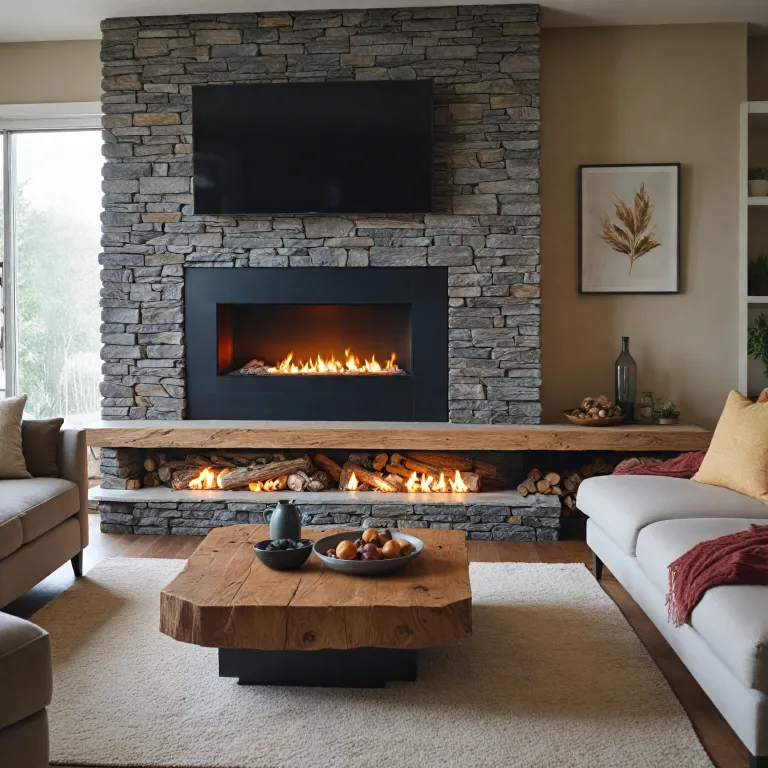
Fireplace logs and the changing role of home heat
Fireplace logs sit at the crossroads of comfort, safety, and energy planning. For many homeowners, the choice between a traditional fireplace, gas fireplaces, and an electric fireplace now shapes both interior design and long term heating strategy. Understanding how each fuel type, from wood logs to gas logs and electric log sets, behaves in real living rooms is essential.
Traditional wood logs remain the emotional benchmark because a real fire feels primal and reassuring. Properly seasoned oak or other hardwood logs can provide strong heat, but they also generate smoke, creosote, and fine particles that demand careful fireplace safety habits. In contrast, manufactured fire logs made from compressed sawdust and wax offer higher energy efficiency per kilogram and more predictable combustion.
Gas fireplaces and electric fireplace models emerged as responses to these safety and pollution concerns. A vented gas fireplace using modern gas log sets can deliver steady heat with less visible smoke, while an electric fireplace insert with realistic log sets produces ambiance without direct combustion. Each type log solution, whether wood, gas, or electric, trades some authenticity for convenience, cost control, or reduced maintenance.
Statistics on home fires and carbon monoxide incidents underline why fuel types matter. Misused fire logs or poorly maintained fireplace gas systems can contribute to thousands of incidents annually, especially when ventilation is inadequate. Choosing the right fireplace logs, matching them to the correct fireplace insert or firebox, and respecting the limits of each fuel type together form the foundation of responsible home heating.
Comparing wood logs, gas logs, and electric log sets
When people compare fireplace logs, they usually weigh realism, heat output, and running costs. Wood logs in an open fireplace deliver the most traditional fire, yet they are also the least efficient at converting fuel into usable room heat. By contrast, manufactured fire logs and modern gas logs in vented gas systems can channel more heat into the living space with less wasted energy.
In a gas fireplace, ceramic log sets shaped like oak or other wood species sit above burners that distribute gas evenly. These ceramic fibers withstand high temperatures, allowing the gas log flames to wrap around the log set and imitate real wood logs. High quality gas fireplace products often include multiple fuel types options, from natural gas to propane, each affecting flame height, color, and overall heat.
Electric fireplace designs approach realism differently by using LED lighting, projected flames, and molded log sets. Some electric fireplace inserts pair glowing fire logs with adjustable heat, letting users enjoy the look of fireplace logs even when no extra warmth is needed. For readers focused on visual ambiance, guides on enhancing home ambiance with realistic electric fires explain how modern electric products narrow the gap with real fyre experiences.
Outdoor spaces add another layer of complexity because wind, moisture, and safety clearances all influence the best type log choice. Outdoor gas fireplaces with vented gas systems and durable ceramic fibers logs resist weather better than many wood logs. Meanwhile, some homeowners combine a primary indoor electric fireplace with outdoor fire logs or a canyon gas feature to balance convenience, price, and seasonal enjoyment.
Energy efficiency, heat output, and the real cost of ambiance
Energy efficiency is where different fireplace logs and fuel types diverge most sharply. Traditional wood logs in an open fireplace can send a large share of heat up the chimney, especially if the damper is left wide open. Manufactured fire logs, by contrast, are engineered to burn more completely, offering higher energy content per kilogram and more stable fire behavior.
Gas fireplaces with well designed vented gas systems convert fuel into heat more predictably than many wood burning fireplaces. A carefully tuned gas log set can provide consistent warmth, while ceramic fibers logs maintain their shape and radiant qualities over many seasons. However, logs gas appliances still require regular inspection, because any fireplace gas leak or blocked flue can create serious safety risks.
Electric fireplace models change the equation again by separating flame appearance from actual combustion. An electric fireplace insert with realistic log sets uses resistive heating elements and fans to distribute heat, often with efficiency comparable to other electric space heaters. Independent reviews that ask how realistic are electric fireplaces show that many users accept slightly less authentic fire effects in exchange for predictable running costs.
Price considerations extend beyond the initial purchase of fireplace logs, gas logs, or electric log sets. Wood logs may appear cheap, but storage, seasoning time, and chimney sweeping add hidden costs over the years. Gas fireplaces and electric fireplace products typically have higher upfront price tags, yet their controlled heat output, lower maintenance, and reduced fire logs waste can improve long term value for homeowners.
Safety, venting, and the hidden risks behind beautiful flames
Behind every attractive set of fireplace logs lies a network of safety decisions that homeowners cannot ignore. Wood logs burning in a traditional fireplace create creosote, a sticky residue that can ignite inside chimneys if not removed regularly. Fire logs made from compressed materials may burn cleaner, but they still require proper venting and respect for manufacturer instructions.
Gas fireplaces introduce different safety dynamics because the flames interact with gas log sets rather than real wood logs. A vented gas fireplace must exhaust combustion products outdoors, and any blockage can allow carbon monoxide to accumulate indoors. Regular checks of the fireplace gas connections, burner alignment, and ceramic log placement help ensure that logs gas systems operate as designed.
Electric fireplace units avoid direct combustion, yet they are not entirely risk free. Overloaded circuits, damaged cords, or poorly installed electric fireplace inserts can still cause overheating or electrical faults. Many experts emphasize that even when a fire looks artificial, as with electric log sets or simulated real fyre effects, users must treat the appliance as a serious heat source.
Outdoor installations add wind, rain, and debris to the safety equation for fire logs and canyon gas systems. Outdoor gas fireplaces with ceramic fibers logs should be shielded from direct water exposure and inspected after severe weather. For readers evaluating slim wall mounted heaters, detailed reviews such as the analysis of a slim electric wall heater that quietly does its job illustrate how design, heat output, and safety features intersect in modern products.
Material science behind realistic log sets and fire effects
The realism of modern fireplace logs owes much to advances in material science and manufacturing. Early gas log sets often looked artificial, but current ceramic log designs capture bark texture, char patterns, and even glowing embers. These ceramic fibers withstand repeated heating and cooling cycles, allowing gas fireplaces to maintain a convincing real fyre appearance over time.
Manufacturers now offer a wide range of products that mimic oak, birch, or driftwood, giving homeowners aesthetic control without sacrificing heat performance. In a gas fireplace, each type log arrangement influences how flames move, how heat radiates, and how efficiently fuel types are consumed. Some grand canyon inspired designs use layered fire logs and ember beds to create depth, especially in larger fireplace inserts.
Electric fireplace technology has followed a parallel path, replacing simple orange bulbs with multi color LEDs and projected flame patterns. Electric log sets often combine molded wood logs with translucent ember beds that pulse in sync with flame animations. Articles that examine realistic electric fires and home ambiance show how these visual tricks can rival the charm of real wood logs for many viewers.
Even outdoor products benefit from these innovations, as weather resistant ceramic fibers and sealed burners extend the life of canyon gas and other outdoor gas fireplaces. The best fire logs for exterior use balance realism, durability, and ease of cleaning after windy evenings. Across all categories, the shared goal is to add emotional warmth and visual interest while keeping fireplace logs, gas logs, and electric fireplace components structurally sound under repeated heat stress.
Choosing the right fireplace logs for your home and lifestyle
Selecting fireplace logs is ultimately a lifestyle decision that blends aesthetics, maintenance tolerance, and safety priorities. Homeowners who cherish the ritual of stacking wood logs and tending a real fire may accept more ash, smoke, and chimney work. Those who prefer quick, clean flames often gravitate toward gas fireplaces with carefully arranged gas log sets or toward fully electric fireplace solutions.
Budget plays a central role, because the price of a log set, installation, and ongoing fuel types varies widely. A basic wood burning fireplace may start with inexpensive fire logs, yet long term costs include tools, storage, and regular chimney sweeping. A high quality gas fireplace insert with ceramic fibers logs or a premium electric fireplace with advanced log sets demands more initial investment but can stabilize heating expenses.
Room size and insulation also influence the best type log and appliance choice. Small, well insulated rooms may overheat with large fire logs or powerful gas fireplaces, making a modest electric fireplace insert more practical. Larger open plan spaces might benefit from a substantial vented gas fireplace or even a grand canyon style feature that uses multiple logs gas burners for broad, even heat.
Finally, consider how often you will use the fire and whether outdoor entertaining matters. Occasional users may prioritize low maintenance electric fireplace products, while frequent hosts might combine indoor gas log systems with outdoor fire logs or canyon gas tables. By weighing realism, heat, maintenance, and safety together, you can select fireplace logs and complementary appliances that align with both your daily habits and long term home comfort goals.
Key statistics on fireplaces, heat, and safety
- Home fires caused by fireplace heaters in the U.S. (2022) – 15 200 incidents.
- Deaths resulting from fireplace heater fires in the U.S. (2022) – 30 deaths.
- Injuries resulting from fireplace heater fires in the U.S. (2022) – 140 injuries.
- Carbon monoxide poisoning deaths from wood burning hearths in the U.S. (2022) – 210 deaths.
- Number of fireplaces in the U.S. – 27 000 000 units installed in homes.
- Percentage of single family detached homes with a fireplace – 46 percent of households.
- Energy content of traditional firewood – about 6 190 BTU per pound of wood.
- Energy content of compressed manufactured fire logs – about 8 500 BTU per pound.
Common questions about fireplace logs and modern hearth options
How do manufactured fire logs compare to traditional firewood for heat ?
Manufactured fire logs generally offer higher energy content per kilogram than many traditional firewood species, so they can produce more consistent heat. They also burn more uniformly, which helps reduce smoke and creosote formation in the chimney. However, some users still prefer seasoned hardwood logs for their characteristic flame patterns and aroma.
Are gas log sets safe to use in existing fireplaces ?
Gas log sets can be safe when installed in compatible fireplaces that meet venting requirements and structural standards. A qualified technician should verify that the chimney or direct vent system can handle combustion products from the gas fireplace. Regular inspections of burners, valves, and ceramic logs help maintain safe operation over time.
Do electric fireplace inserts provide meaningful supplemental heat ?
Electric fireplace inserts typically function like efficient electric space heaters while adding visual flame effects. They can provide useful supplemental heat for individual rooms, especially in well insulated homes. Because they do not rely on chimneys, all generated heat stays indoors, improving overall energy use.
What maintenance do wood burning fireplaces require when using fire logs ?
Wood burning fireplaces that use traditional logs or manufactured fire logs need regular ash removal and periodic chimney sweeping. This maintenance removes creosote and soot that accumulate from repeated fires and can otherwise increase the risk of chimney fires. Homeowners should also inspect fireplace bricks, dampers, and grates for damage each heating season.
Can outdoor gas fireplaces use the same log sets as indoor models ?
Outdoor gas fireplaces usually require log sets specifically rated for exterior use, because they must withstand moisture, temperature swings, and wind. These outdoor log sets often use robust ceramic fibers and corrosion resistant burners. Using indoor only logs or components outdoors can shorten product life and compromise safety.