

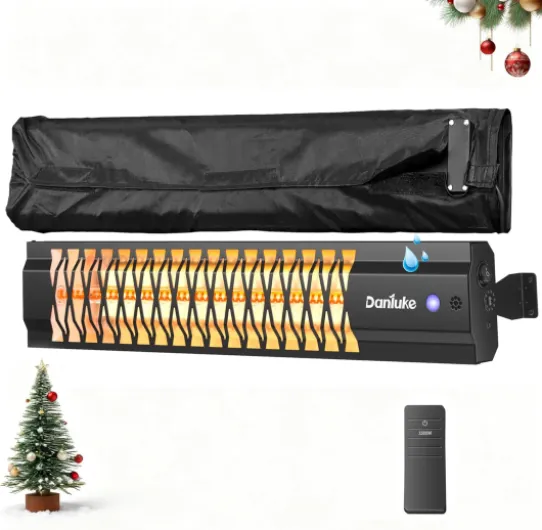
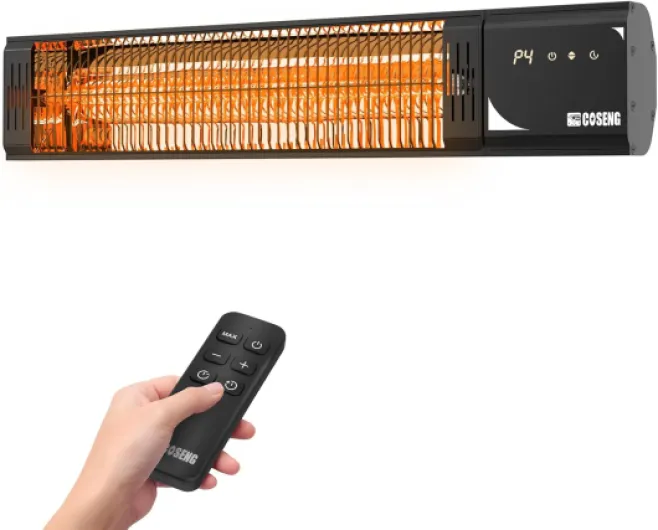
Understanding wall mounted outdoor heaters
What Makes Wall Mounted Outdoor Heaters Stand Out?
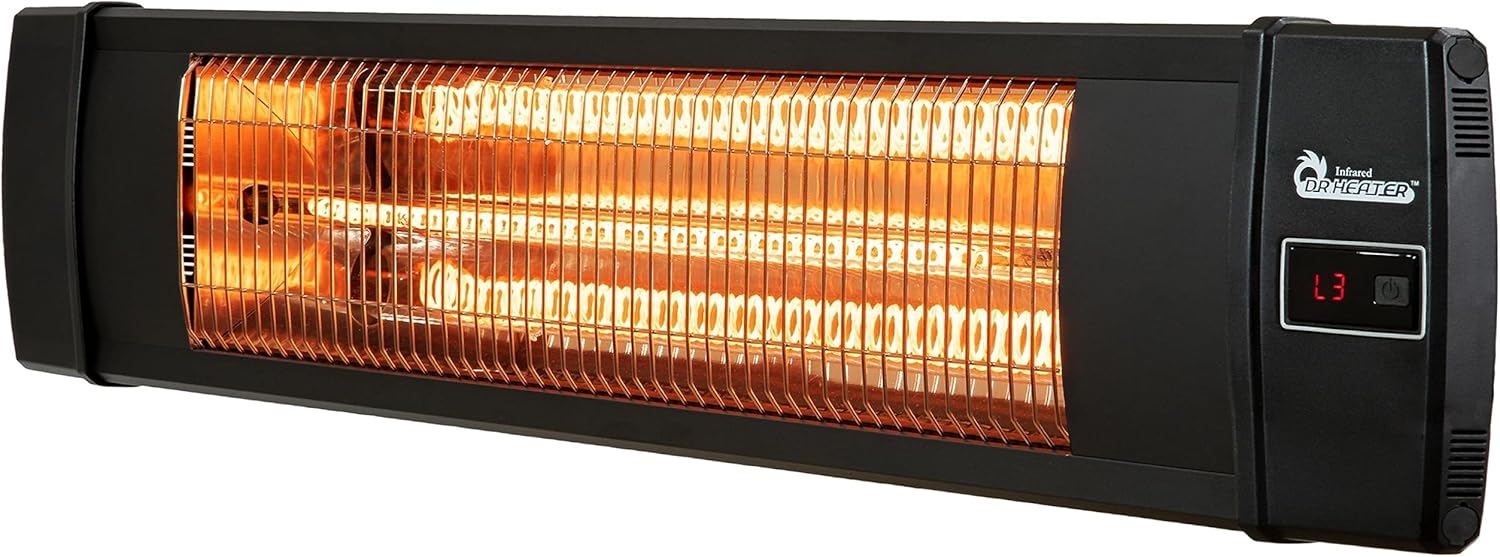
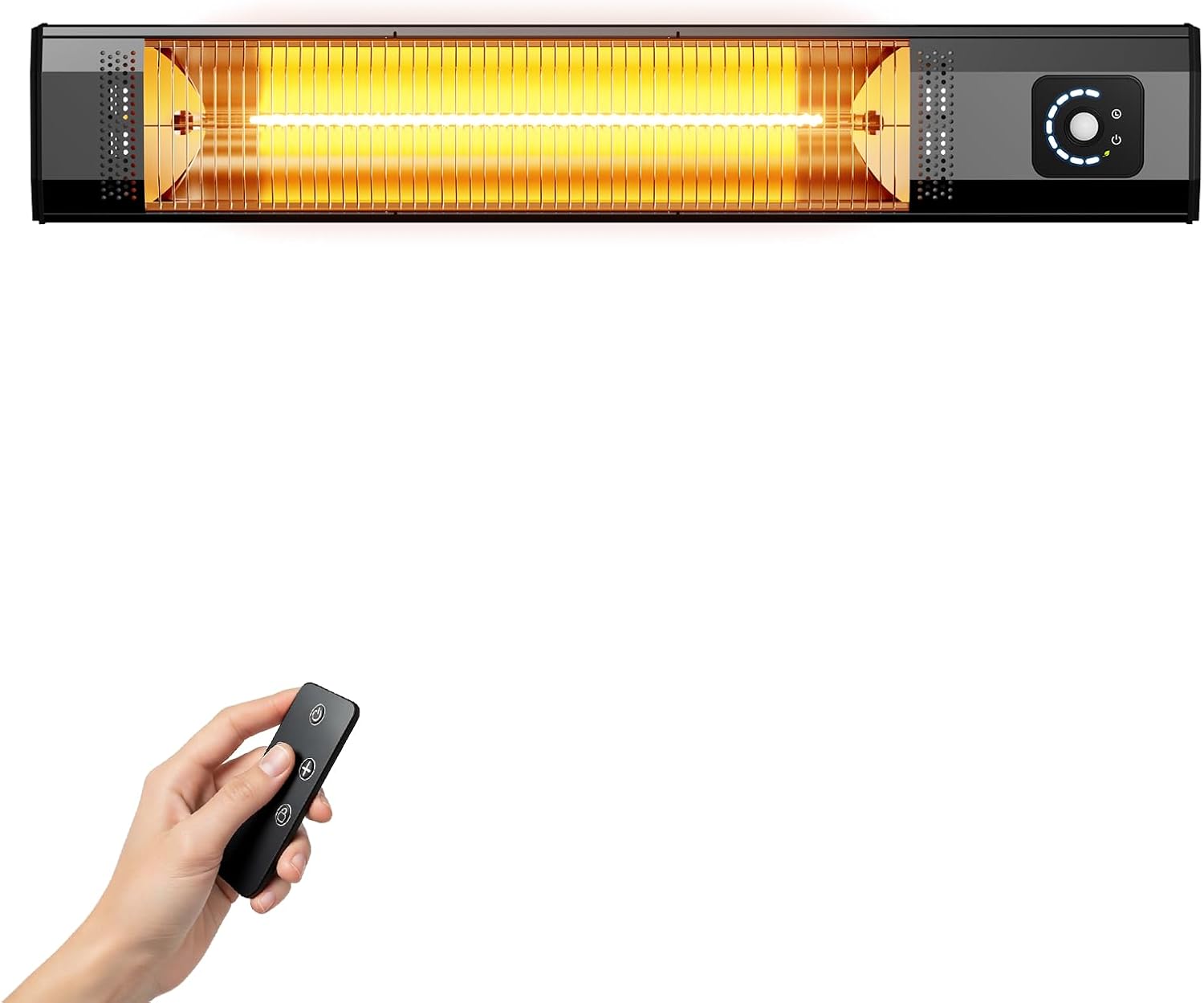
Outdoor patio heaters have become a must-have for anyone wanting to stretch those cozy evenings outside, whether you’re sipping coffee on a chilly morning or hosting friends for a late-night barbecue. Wall mounted heaters, especially electric patio options, are gaining popularity for their sleek look and space-saving design. Unlike bulky standing units, these heaters attach directly to your wall or ceiling, freeing up precious floor space and keeping walkways clear. You’ll find a wide collection of products, from the classic black single element heater to advanced dual element models with smart heat features and remote control. Many brands, like the Infratech series, offer both electric and gas wall mounted heaters, so you can pick what fits your needs and budget. Electric heaters are especially popular for their easy install, low maintenance, and the fact that they don’t require propane gas tanks or venting. Plus, with free shipping often available, the price can be surprisingly affordable.How Do Wall Mounted Heaters Work?
Most wall mounted outdoor heaters use infrared technology to deliver heat directly to people and objects, rather than just warming the air. This means you feel the warmth almost instantly, even on breezy evenings. Electric heaters plug into a standard outlet or can be hardwired for a more permanent setup. Gas options, like propane gas heaters, provide powerful heat but may need more installation planning. You’ll see a range of watt options, from compact 1500-watt units for small patios to powerful 6000-watt models for larger spaces. Some products come with remote control, letting you adjust the heat from your seat. Ceiling wall and ceiling mounted options are also available for spaces where wall mounting isn’t possible.Why Choose a Wall Mounted Heater for Your Patio?
- Space-saving: No more tripping over patio heater bases or sacrificing table space.
- Stylish: Modern designs, like the black finish or sleek stainless steel, blend with any outdoor décor.
- Flexible: Choose from single or dual element heaters, electric or gas, and a variety of sizes to match your patio.
- Convenient: Many electric patio heaters offer remote control and smart heat features for easy use.
- Safe: Mounted heaters stay out of reach of kids and pets, reducing the risk of accidents.
- U.S. Department of Energy – Portable Heaters
- Infratech Official Site – Infratech Heaters
- Consumer Reports – Heater Buying Guide

Key features to consider before buying
What Makes a Wall Mounted Outdoor Heater Stand Out?
Choosing the right outdoor patio heater can feel like picking the perfect coffee blend—everyone has their favorite, but a few factors make all the difference. Whether you’re eyeing a sleek black electric patio heater for your balcony or a robust propane gas model for your backyard, certain features can make your evenings warmer and your gatherings more memorable.- Heating Power (Wattage): The watt rating tells you how much heat the product can deliver. For smaller patios, a 1500-watt electric heater might be enough. Larger spaces or commercial patios often need dual element or higher watt options, sometimes reaching 4000 watts or more. Always match the heater’s power to your space for cozy, even warmth. Enhancing your outdoor space with a fire pit can also complement your heating setup.
- Mounting Options: Wall mounted, ceiling wall, and ceiling mounted heaters each offer unique benefits. Wall mount and ceiling options free up floor space, keeping walkways clear. Mounted heaters are ideal for covered patios or outdoor dining areas, while portable options like propane gas heaters offer flexibility.
- Control Features: Modern heaters often come with remote control or smart heat options, letting you adjust settings from your seat. Some products even integrate with home automation systems, making it easy to manage your outdoor comfort.
- Design and Finish: From matte black to stainless steel, the finish should match your outdoor décor. Collections like the Infratech series offer both single element and dual element models, so you can pick the style and heat output that fits your vibe.
- Energy Source: Electric heaters are popular for their easy install and low maintenance, while gas models (including propane gas) deliver powerful heat but may require more setup. Infrared heater options are efficient and direct, warming people and objects rather than just the air.
- Weather Resistance: Look for products rated for outdoor use, with weatherproof casings and corrosion-resistant materials. This ensures your heater stands up to rain, wind, and sun without losing performance.
- Price and Warranty: Compare prices across brands and series. Some retailers offer free shipping or bundle deals on collections. Always check the warranty for peace of mind—especially for higher-end electric heaters or gas models.
Real-Life Choices: Which Heater Fits Your Patio?
If you love hosting friends for late-night chats, a dual element electric patio heater with remote control might be your best bet. For a cozy balcony, a single element wall mounted heater in black blends style and function. Commercial spaces often go for ceiling mounted or high-watt options from trusted series like Infratech. No matter your choice, matching the heater’s features to your outdoor lifestyle ensures you get the most out of your investment. For more inspiration on creating a welcoming outdoor patio, check out how a fire pit can transform your evenings. Sources: Consumer Reports, Energy.gov, Infratech Official Product Guides, Home Depot Patio Heater Buying GuideInstallation tips for optimal performance
Getting the Most Out of Your Wall Mounted Outdoor Heater
Choosing the right spot for your wall mounted heater can make all the difference for your outdoor patio. Start by thinking about where you spend the most time—maybe it’s the dining area, a cozy lounge, or that favorite corner with the best view. The goal is to direct heat where it matters most, so everyone feels comfortable, even on chilly evenings.- Height matters: Most electric patio heaters and gas models work best when mounted 6 to 8 feet above the ground. This height helps spread warmth evenly without wasting energy. For ceiling mounted or ceiling wall options, check the product manual for the recommended distance from the floor and ceiling.
- Clearance is key: Always leave enough space around your heater—especially above and to the sides. This keeps things safe and lets the heater do its job. For example, the Infratech Series and other dual element or single element heaters often require at least 18 inches of clearance above and 12 inches to the sides. Check your product’s instructions for exact numbers.
- Power and wiring: Electric heaters usually need a dedicated outlet or hardwiring. If you want a remote control or smart heat features, make sure your setup supports it. For gas and propane gas heaters, you’ll need proper ventilation and safe gas line installation. Some electric heaters are easy install and come with mounting kits, so you can get started quickly.
- Weather protection: Outdoor heaters are built tough, but it’s smart to install them under a roof or awning if possible. This protects your investment from rain and wind, helping your collection of patio heaters last longer. Black finishes and powder-coated products tend to resist rust and fading.
Safety precautions and best practices
Stay Safe While Enjoying Your Outdoor Heater
Wall mounted outdoor heaters bring warmth and comfort to your patio, but safety should always come first. Whether you choose an electric patio heater, a gas model, or an infrared heater, a few simple habits can keep your outdoor gatherings worry-free.- Proper Clearance: Always install your heater with enough space around it. Most products recommend at least 18 inches from the ceiling and 36 inches from any walls or furniture. This helps prevent heat buildup and reduces fire risk. Check your product manual for exact requirements.
- Secure Mounting: Use the right brackets and hardware for your wall or ceiling. A loose heater can fall and cause injury or damage. Many electric heaters and gas models come with easy install kits—follow the instructions closely.
- Weather Awareness: Not all heaters are designed for wet conditions. Look for outdoor patio heaters with weatherproof ratings. If your heater isn’t rated for rain, install it under a covered area or use a protective cover when not in use.
- Safe Operation: Never leave your patio heater running unattended. Use the remote control or smart heat features to turn it off when you leave. For gas heaters, always check for leaks and never use propane gas models in enclosed spaces.
- Child and Pet Safety: Keep kids and pets away from the heater’s hot surfaces. Wall mounted and ceiling mounted options help, but always remind guests about the heat output, especially with dual element or single element infrared heaters.
- Electrical Safety: For electric heaters, use outdoor-rated extension cords and outlets. Avoid running cords across walkways to prevent tripping. If you’re not sure about your wiring, consult a professional for installation.
- Regular Checks: Inspect your heater before each use. Look for signs of wear, rust, or loose connections. Clean dust and debris from vents and reflectors to keep heat output strong and safe.
Maintenance and care for longevity
Keeping Your Wall Mounted Outdoor Heater in Top Shape
A little care goes a long way with wall mounted outdoor heaters. Whether you’ve chosen an electric patio heater, a gas model, or a smart heat option with remote control, regular attention helps your heater last longer and perform better. Here’s what works for most outdoor patio heaters, including popular products like the Infratech series, dual element, and single element models.- Wipe Down Surfaces: Dust, pollen, and even spider webs can collect on your heater. Use a soft, damp cloth to clean the exterior—especially for black finishes or stainless steel. Avoid harsh chemicals that might damage the product.
- Check for Obstructions: Leaves or debris can block the vents or heating elements. Make sure the area around your wall mounted or ceiling mounted heater is clear, especially before turning it on for the season.
- Inspect Wiring and Connections: For electric heaters, look at the power cord and wall mount connections. If you spot fraying or loose wires, unplug the heater and contact a professional. For gas or propane gas heaters, check hoses and fittings for leaks or wear.
- Test the Remote Control: If your heater has a remote, replace the batteries as needed. A sluggish or unresponsive remote can be a sign it’s time for new batteries or a quick reset.
- Clean the Reflectors and Elements: Dust can reduce heat output. For infrared heater models, gently clean the reflectors and heating elements with a dry cloth. Make sure the heater is unplugged and cool before cleaning.
- Schedule Annual Checks: Once a year, give your heater a thorough inspection. Look for rust, corrosion, or any signs of wear. This is especially important for outdoor products exposed to rain or snow.
- Store or Cover When Not in Use: If you won’t use your patio heater for a while, consider a weatherproof cover. Some heaters are designed for year-round outdoor use, but a cover adds extra protection and keeps your collection looking sharp.
Common Questions About Heater Maintenance
- How often should I clean my outdoor heater? A quick wipe every few weeks during peak season is usually enough. Deep clean before and after the main outdoor season.
- Can I use water to clean my electric patio heater? Only use a damp cloth—never soak the heater or spray water directly onto electric heaters or gas models.
- What if my heater isn’t producing enough heat? Check for dust on the elements, blocked vents, or low gas supply. For electric models, verify the watt rating matches your space and that the product is installed correctly.
- Is professional servicing required? For most wall mounted heaters, DIY maintenance is fine. If you notice electrical issues, gas leaks, or persistent problems, call a qualified technician.
Tips for Longevity and Value
- Choose products with free shipping and warranty for added peace of mind.
- Compare price and features—sometimes a higher upfront cost means less maintenance over time.
- Look for easy install options and clear instructions, especially for ceiling wall or wall mount models.
- Keep your heater’s manual handy for troubleshooting and care tips tailored to your series or collection.
Regular maintenance not only protects your investment but also keeps your outdoor patio warm, inviting, and ready for every gathering. For more details on specific models or product care, always refer to the manufacturer’s guidelines and trusted sources like Energy.gov and manufacturer manuals.
Comparing electric and gas wall mounted outdoor heaters
Choosing Between Electric and Gas: What Fits Your Patio?
When you’re deciding between electric and gas wall mounted outdoor heaters, it’s not just about the heat. It’s about your space, your habits, and what makes you feel at home on your patio. Here’s a look at how these two options stack up, so you can find the right fit for your outdoor patio or deck.- Installation and Setup: Electric heaters are known for their easy install. Most electric patio heaters can be mounted on a wall or ceiling, plugged into a standard outlet, and you’re ready to go. Gas heaters, like propane gas or natural gas models, often need professional installation, especially if you’re connecting to a gas line. That can add to the price and time before you can enjoy your heater.
- Heat Output and Control: Gas heaters usually deliver more heat, making them a favorite for larger patios or commercial spaces. Electric heaters, especially those with dual element or infratech series designs, are perfect for smaller or medium outdoor spaces. Many electric models come with remote control options, so you can adjust the heat without leaving your seat. Some even offer smart heat features for more precise comfort.
- Design and Placement: Electric wall mounted heaters come in a wide collection of styles and finishes, including sleek black or stainless steel. They’re often slimmer and less obtrusive than gas heaters. Gas models, especially ceiling mounted or wall mount options, can be bulkier and may require more clearance.
- Maintenance and Care: Electric heaters are generally low-maintenance. Just keep them clean and check the wiring occasionally. Gas heaters need more attention—think about regular inspections for leaks, cleaning burners, and checking connections. This ties back to the maintenance tips you’ve already read about.
- Operating Costs and Efficiency: Electric heaters are efficient, converting nearly all their energy into heat. Their watt usage is easy to calculate, so you can estimate your monthly costs. Gas heaters can be less predictable, with prices fluctuating based on fuel costs. However, if you need to heat a large area, gas might be more cost-effective in the long run.
- Safety and Environment: Electric heaters don’t produce open flames or emissions, making them safer for enclosed patios or spaces with kids and pets. Gas heaters need proper ventilation and careful placement to avoid hazards. Always follow the safety practices you’ve learned earlier.
- Product Options and Features: Both electric and gas heaters come in single element and dual element models, with options for wall or ceiling wall mounting. Some electric products offer free shipping or bundle deals, making them attractive for budget-conscious shoppers.
Sources: U.S. Department of Energy, Consumer Reports, HGTV