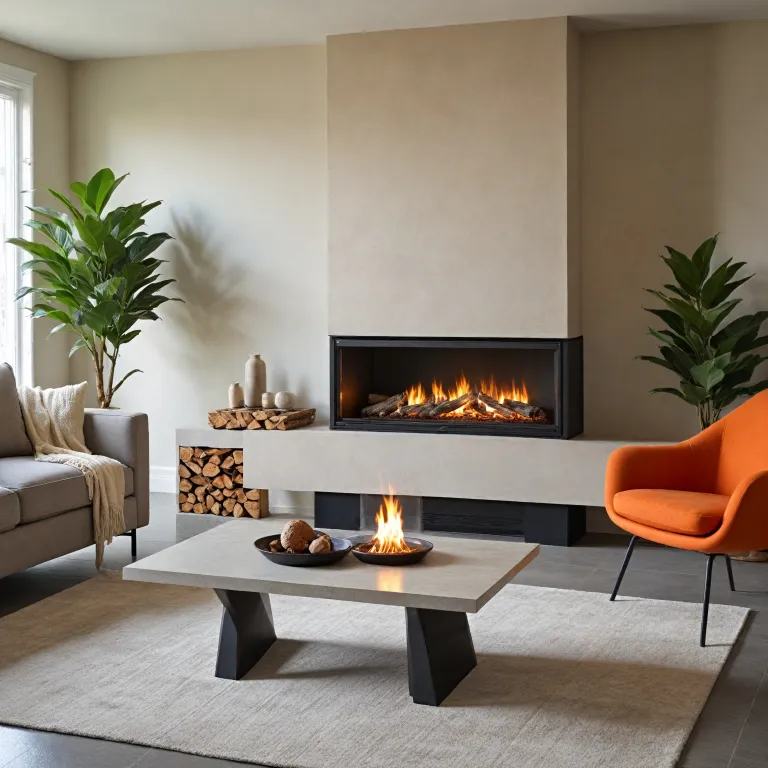

How electric woodburner stoves reinterpret the traditional fireplace
Electric woodburner stoves recreate the charm of a wood fireplace without smoke. These appliances combine an electric heater with a realistic flame effect that mimics burning stoves and glowing embers. For many households, the appeal lies in enjoying the look of wood burning fire while avoiding chimney maintenance and soot.
Unlike a traditional fireplace stove that relies on real wood or gas, an electric fireplace uses LED lighting and digital flame patterns. The electric log sets and simulated burner elements are designed to resemble wood pellet or split wood, giving depth to the flame and ember bed. This technology allows manufacturers to offer products with highly realistic flame visuals that can run with or without heat.
From a practical perspective, an electric stove is usually a plug in product that fits easily into existing rooms. Some models are freestanding stoves, while others are designed as a fireplace insert that slides into an old wood stove opening. Because they do not require natural gas or stoves gas connections, installation costs and overall price in eur remain predictable and often lower than for a gas fire.
Homeowners comparing electric woodburner stoves with gas stoves or a classic wood stove should consider lifestyle and building constraints. Apartments, well insulated new builds, and rooms without chimneys often benefit most from an electric fireplace solution. In these spaces, the balance between visual fire comfort, controlled heat output, and straightforward maintenance becomes especially attractive.
Key components that shape performance, heat, and realism
The performance of electric woodburner stoves depends on several core components working together. At the heart of each electric fireplace is the heater, usually a fan assisted element that provides convected heat to the room. Many electric stoves include an adjustable thermostat so users can fine tune the heat level instead of relying on a simple on off switch.
The flame system is equally important, because buyers expect a realistic flame that rivals gas fire or wood burning effects. Manufacturers use LED lights, rotating mirrors, and digital animations to create a realistic flame pattern above the electric log bed. Higher end products sometimes add crackling sound, glowing burner details, and variable flame speed to enhance immersion.
Construction materials also influence both aesthetics and durability in these stoves. Cast iron style bodies give electric woodburner stoves the visual weight of a traditional wood stove, while lighter steel products may reduce overall price in eur. Some models are designed as a fireplace insert, allowing them to slide into an existing wood fireplace opening and transform a disused hearth.
Controls range from simple dials to advanced remote systems with timers and multiple heat settings. When reading a detailed electric fireplace heater review, pay attention to how precisely the adjustable thermostat manages room temperature. A well designed electric stove should provide steady heat without frequent cycling, while still allowing the flame effect to operate independently for ambience.
Comparing electric woodburner stoves with gas and wood burning options
When evaluating electric woodburner stoves against gas stoves and wood burning stoves, it helps to map out priorities. Traditional wood burning fire delivers high heat and the scent of real wood, but it demands regular fuel handling, chimney sweeping, and ash removal. Gas stoves and gas fire appliances offer instant flame and strong heat, yet they require natural gas or LPG connections and professional servicing.
An electric fireplace or electric stove, by contrast, focuses on convenience and controlled heat. These products plug into a standard socket, turning any suitable corner into a potential fireplace zone without structural work. For many households, the predictable price in eur for installation and running costs outweighs the raw heat advantage of burning stoves that use solid fuel.
Modern electric woodburner stoves can be installed as freestanding units or as a fireplace insert in an existing opening. Some linear models, such as those highlighted in a test of recessed electric fireplace heaters, show how slim products can integrate into contemporary interiors. While these designs differ from a cast iron wood stove, they still deliver a realistic flame effect that satisfies many style preferences.
Safety and building regulations also influence the choice between electric, gas, and wood fireplace solutions. In apartments or tightly sealed homes, venting a wood fireplace stove or installing stoves gas lines may be impractical or restricted. Electric stoves avoid combustion gases entirely, which simplifies compliance while still providing visual fire comfort and supplementary heat.
Understanding heat output, running costs, and pricing in eur
Heat output is a central factor when comparing electric woodburner stoves with other fireplace products. Most electric fireplace heaters offer power settings around 750 to 1500 watts, which provide gentle to moderate heat for small and medium rooms. This output will not replace a full central heating system, but it can reduce reliance on other heaters during cooler evenings.
Running costs depend on local electricity tariffs and how often the electric stove operates with heat. Because the flame effect on many electric stoves can run without the heater, users can enjoy realistic flame visuals at a fraction of the energy use. When assessing price in eur, consider both the purchase cost of the product and the long term cost of electricity compared with natural gas or wood pellet fuel.
Some homeowners compare the economics of a multi fuel stove or wood pellet burner with an electric fireplace insert. While burning stoves that use solid fuel can deliver higher heat, they involve ongoing deliveries, storage space for wood, and more intensive maintenance. Electric woodburner stoves, by contrast, offer predictable costs and minimal servicing, which appeals to people seeking low hassle comfort.
To learn how an electric fireplace insert heat system can influence comfort and efficiency, consult a specialised guide such as this analysis of how electric fireplace insert heat transforms comfort and efficiency at home. Such resources explain how zone heating strategies, thermostat use, and room size interact. By aligning the heater capacity, realistic flame settings, and usage patterns, buyers can optimise both ambience and energy spending.
Design choices, installation scenarios, and outdoor possibilities
Design is a major reason people gravitate toward electric woodburner stoves instead of plain heaters. Many products imitate the look of a cast iron wood stove, complete with arched doors, side panels, and a visible burner area. Others adopt a more minimal fireplace stove aesthetic, with clean lines that suit modern interiors and media walls.
Installation flexibility is another strength of the electric fireplace category. Freestanding electric stoves can be placed against a wall with appropriate clearances, while a fireplace insert can revitalise an unused wood fireplace or gas fire opening. Because there is no need for a flue or natural gas connection, these products suit rentals, lofts, and rooms where structural changes are not feasible.
Although most electric woodburner stoves are designed for indoor use, some homeowners pair them visually with an outdoor fire pit or terrace area. The indoor electric fireplace provides controlled heat and realistic flame effects for evenings when the weather keeps people inside. Meanwhile, the outdoor fire pit or gas fire feature becomes the focal point for gatherings in milder conditions.
When planning a room layout, consider how the electric stove interacts with furniture, televisions, and other products. Heat from the heater should not blow directly onto sensitive electronics, and airflow around the stove must remain unobstructed. By treating the electric woodburner as both a functional heater and a central design element, you can create a cohesive space that balances fire ambience with everyday practicality.
Safety, maintenance, and how to assess product quality
Safety is a critical consideration for anyone installing electric woodburner stoves in a family home. Unlike burning stoves that use real wood or gas stoves with open flames, an electric fireplace does not produce combustion gases or sparks. This reduces risks related to carbon monoxide, chimney fires, and stray embers, although basic electrical safety still applies.
Quality electric stoves include overheat protection, cool touch surfaces on key areas, and stable bases to prevent tipping. An adjustable thermostat not only improves comfort but also helps avoid excessive heat build up around the heater outlet. When comparing products, check for clear labelling, robust construction, and user friendly controls that make safe operation intuitive.
Maintenance for electric woodburner stoves is generally limited to dusting, occasional cleaning of the glass, and checking the power cord. There is no ash to remove, no chimney to sweep, and no need to store wood or wood pellet fuel. This low maintenance profile contrasts sharply with a traditional wood fireplace stove or multi fuel burner, which demands regular attention to remain safe and efficient.
To assess overall product quality, examine how realistic the flame appears, how quietly the heater operates, and how evenly the heat spreads. Compare the price in eur with similar products, but also weigh warranty terms and after sales support. By taking a structured approach to evaluating electric fireplace and electric stove options, buyers can select stoves that provide long lasting fire ambience, reliable heat, and strong value.
How to choose the right electric woodburner stove for your space
Selecting among the many electric woodburner stoves on the market starts with room size and heating needs. Measure the area you want to warm and match it with the heater output of each electric fireplace model. Smaller rooms may only need a compact electric stove, while larger living spaces benefit from wider stoves with stronger fans.
Next, consider the style of fire effect and how realistic you want the flame to appear. Some products emphasise a traditional wood burning look with detailed electric log sets and glowing burner beds. Others lean toward contemporary designs, where the realistic flame dances over glass pebbles rather than classic wood pieces.
Think carefully about whether you need a freestanding stove, a fireplace insert, or a wall mounted unit. If you already have a disused wood fireplace or gas fire opening, a well sized fireplace insert can provide a neat, integrated finish. In more flexible spaces, a freestanding cast iron style electric stove can become a movable focal point that adapts as furniture layouts change.
Finally, balance features and price in eur against your long term expectations. Look for an adjustable thermostat, multiple flame settings, and quiet heater operation, especially if you plan to use the electric fireplace daily. By aligning aesthetics, performance, and budget, you can learn which products genuinely enhance comfort and which stoves merely imitate the look of a wood stove without delivering satisfying heat.
Key statistics about electric fireplaces and home heating
- Data on average heater output for electric fireplace products typically ranges between 750 and 1500 watts, which suits small to medium rooms.
- Surveys of homeowners indicate that realistic flame effects are among the top three reasons for choosing electric stoves over basic heaters.
- Market analyses show that the price in eur for installing an electric fireplace insert is often significantly lower than fitting a new gas fire or rebuilding a wood fireplace.
- Energy assessments highlight that using electric woodburner stoves for targeted zone heating can reduce whole home heating demand during shoulder seasons.
Common questions about electric woodburner stoves
Are electric woodburner stoves efficient for heating a living room ?
Electric woodburner stoves are efficient as supplementary heaters for typical living rooms. Their heater output is designed to provide comfortable background heat rather than replace central systems. For best results, match the wattage to room size and use the adjustable thermostat to avoid overheating.
Do electric fireplaces look like real wood burning fires ?
Modern electric fireplace products use LED technology and carefully designed electric log sets to create a realistic flame effect. While they do not replicate the exact behaviour of real wood burning, many users find the visuals convincing and soothing. Higher end stoves often add ember bed glow, variable flame speed, and depth to enhance realism.
What is the difference between an electric stove and a fireplace insert ?
An electric stove is usually a freestanding appliance that resembles a traditional wood stove. A fireplace insert, by contrast, is designed to slide into an existing wood fireplace or gas fire opening. Both use electric heaters and flame effects, but their installation scenarios and visual impact differ.
Can I use an electric woodburner stove in a flat without a chimney ?
Yes, electric woodburner stoves are well suited to flats and homes without chimneys. They do not produce combustion gases, so no flue or natural gas connection is required. You only need a suitable power socket, adequate clearances, and a stable surface for the stove.
Are electric woodburner stoves safe to use around children and pets ?
Quality electric stoves include safety features such as overheat protection and relatively cool external surfaces. They avoid open flames and sparks, which reduces some risks compared with burning stoves that use wood or gas. Nevertheless, it remains important to supervise children and pets and to follow the manufacturer’s safety guidelines.