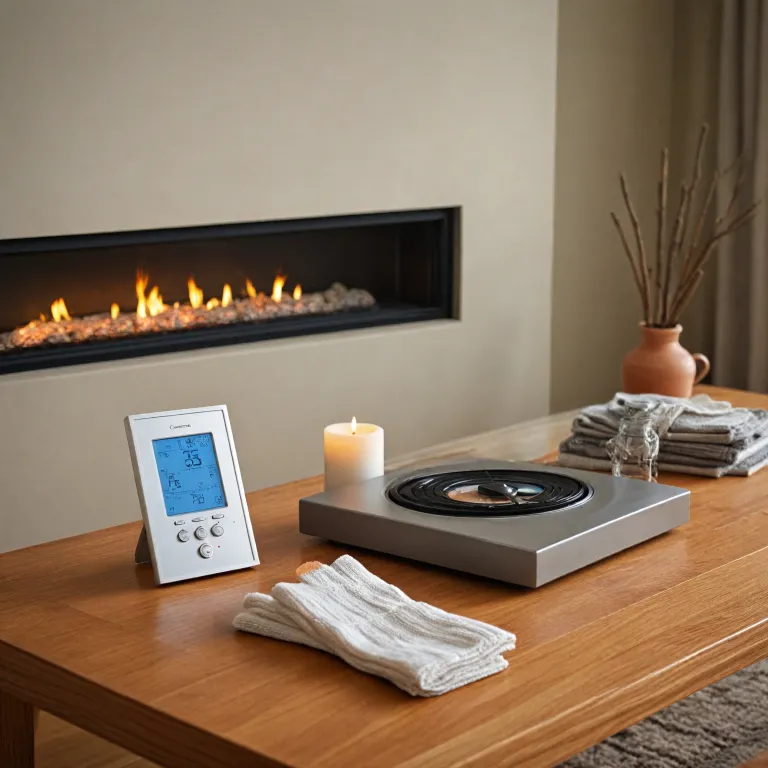

Why a thermostat manual matters for electric fireplace safety
A thermostat manual is often treated as an afterthought, yet it quietly governs safety. When an electric fireplace connects to household thermostats, the manual explains how voltage, load, and temperature control interact, which is crucial for preventing overheating and nuisance tripping. For anyone relying on electric heat as a primary or backup source, this document becomes a practical safety net.
Most homeowners first open thermostat manuals only when something goes wrong, such as erratic operation or a blank digital screen. Reading the manual before installation helps you find the correct model number, confirm compatible voltage in volts, and verify whether you need single or double pole thermostats for the circuit. This is especially important when pairing a wall thermostat with a built in electric fireplace heater that may draw significant current.
Manufacturers like Honeywell and White Rodgers design each thermostat manual around a specific product series, and each series has distinct limits. A manual thermostat for simple electric heat behaves very differently from smart thermostat models with Wi Fi connectivity and programmable thermostat schedules. Without the manual, you may misinterpret a safety lockout, bypass a high temperature limit, or miswire a pole thermostat on a 240 volt line, all of which can compromise both comfort and protection.
Understanding thermostat types used with electric fireplaces
Electric fireplaces can work with a surprising range of thermostats, and the thermostat manual is your map through that complexity. Basic manual thermostat designs simply switch power on or off to the heater, while digital and programmable thermostat models offer finer temperature control and scheduling. When you read several thermostat manuals side by side, you quickly see how different the installation operation steps can be for each type.
Line voltage thermostats, often rated for 120 or 240 volt electric heat, are common in wall mounted heaters and some built in fireplaces. These may use single pole thermostats that only break one conductor, or double pole thermostats that fully isolate the heater when off, and the manual will clearly state which configuration you have. Low voltage HVAC style thermostats, including many smart thermostat and touchscreen thermostats models, usually control a relay or contactor instead of carrying heater current directly.
Brands such as thermostat Honeywell and White Rodgers publish detailed manuals for both their smart thermostats and their simpler digital units. In those manuals, you will find wiring diagrams, model number cross references, and notes about compatible electric fireplace products or auxiliary relays. When a manufacturer releases a new pro series thermostat, the updated manual often clarifies how to integrate it with specialty appliances like fireplace inserts, and a link to a resource such as advanced electric fireplace technology can help you understand the heater side of that pairing.
Key sections of a thermostat manual that owners should not skip
Many readers skim thermostat manuals, yet certain sections are vital when an electric fireplace is involved. The installation operation chapter explains how to route conductors, respect voltage ratings in volts, and position the thermostat away from direct radiant heat from the fireplace. Ignoring those pages can lead to inaccurate temperature control, short cycling, or even premature failure of the product.
Another critical part of any thermostat manual is the section on configuration menus and advanced settings. Digital and programmable thermostat models often allow you to select the heating system type, such as electric heat, fan forced, or hydronic, and the wrong choice can cause erratic operation. Smart thermostat and touchscreen thermostats manuals also describe how to adjust cycle rates, minimum on times, and precise temperature calibration, which directly affects comfort near the fireplace.
Owners should also read the troubleshooting and technical support pages, where you usually find a support team phone number or website. These sections explain how to find the exact model number, interpret error codes, and decide when to contact a qualified pro for service. Some brands, including Honeywell and White Rodgers, include notes about sitemap privacy, rights reserved statements, and how to create account profiles for connected thermostats, which can matter if your electric fireplace is part of a broader smart home system.
Installation operation basics for thermostats controlling electric fireplaces
Correct installation operation of a thermostat is essential when it controls an electric fireplace that may draw several kilowatts. The thermostat manual will specify whether the device is suitable for line voltage electric heat, low voltage HVAC control, or both, and that distinction determines how you wire the product. For line voltage models, you must match the rated volts and current to the heater, and choose between single or double pole thermostats according to local regulations.
During installation, the manual explains conductor sizes, tightening torques, and safe enclosure practices, which are especially important in recessed wall boxes near a warm fireplace surround. Some pro series thermostats require a neutral connection for digital displays, while simpler manual thermostat designs do not, and mixing them up can leave the screen dark or the relay chattering. When in doubt, the manual usually advises you to find pro level help from a licensed electrician or HVAC technician familiar with electric fireplaces.
Low voltage smart thermostat and touchscreen thermostats often need a common wire and may interface with a relay panel that switches the fireplace heater. Their manuals describe how to label wires, confirm transformer voltage, and test operation without energizing the heating elements. If you plan to upgrade from a basic thermostat to a programmable thermostat for better precise temperature management around the hearth, consult both the old and new manuals, and consider guidance from resources such as choosing the right electric fireplace to ensure compatibility.
Using programmable and smart thermostats for refined fireplace comfort
Once installation is complete, the thermostat manual becomes your guide to everyday comfort around the electric fireplace. Programmable thermostat models allow you to set different temperature control schedules for mornings, evenings, and weekends, which can reduce energy use while keeping the living area cosy when occupied. Smart thermostat designs go further, using sensors and connectivity to adapt to your habits and maintain more precise temperature levels.
In the manuals for smart thermostats and touchscreen thermostats, you will find instructions on creating user profiles, linking mobile apps, and sometimes how to create account credentials for cloud services. These manuals also explain how to integrate the thermostat with other HVAC components, such as central systems that share space with an electric fireplace used for zone heating. When multiple thermostats and heaters coexist, careful reading of each thermostat manual helps you avoid conflicting schedules and uncomfortable temperature swings.
Brands like thermostat Honeywell and White Rodgers often publish separate manuals for different product series, including pro series models sold through contractors. Each manual details how to fine tune cycle rates, lock settings, and enable vacation modes, which can be especially useful in secondary homes where electric heat and fireplaces prevent freezing. Even if you prefer a simple manual thermostat, understanding the options in digital and programmable manuals can help you decide whether an upgrade would meaningfully improve comfort in your main gathering room.
Finding support, manuals, and the right thermostat model number
Over the life of an electric fireplace, you may need to replace or reconfigure the thermostat, and that is when locating the correct thermostat manual becomes essential. The first step is to find the model number printed on the thermostat housing or behind the cover, then search the manufacturer’s website for matching manuals in both current and archived sections. Many brands organise these documents under headings like product documentation, sitemap privacy links, and rights reserved notices, which can make navigation slightly confusing.
Once you locate the correct manual, save a copy and note any references to compatible volts, pole configurations, and electric heat ratings. If the document mentions optional accessories, such as remote sensors or relay modules, consider whether they might improve temperature control around your fireplace seating area. When uncertainty remains, use the technical support contacts listed in the manual to reach a support team that can confirm whether your chosen thermostat suits the fireplace load and installation conditions.
Some manufacturers operate a find pro or find pro installer tool that connects you with qualified HVAC or electrical contractors familiar with their thermostats. These professionals can interpret complex installation operation notes, especially for smart thermostat and touchscreen thermostats that interact with broader HVAC systems. If your current thermostat manuals are missing or damaged, a contractor may also help you skip content that does not apply, focus on the critical safety pages, and ensure that every manual thermostat or digital unit in your home is correctly matched to its heater.
Key statistics on thermostat use with electric heating
- Upgrading from a basic manual thermostat to a programmable thermostat can typically reduce electric heating energy use by around 5 to 10 percent when schedules are correctly configured.
- Digital thermostats with precise temperature control often maintain room temperature within about 0,5 °C of the setpoint, compared with swings of 1 to 2 °C for older mechanical units.
- In many homes using electric heat, thermostats and controls account for a relatively small share of system cost but can influence more than half of overall comfort complaints reported to technical support teams.
- Field surveys show that a significant proportion of homeowners never adjust factory default settings in their thermostats, leaving advanced features like programmable schedules and smart learning unused.
Common questions about thermostat manuals and electric fireplaces
How do I know which thermostat manual applies to my electric fireplace setup ?
Check the model number on the thermostat body, then match it exactly to the document title on the manufacturer’s website, ensuring that voltage, pole type, and electric heat compatibility all align with your fireplace circuit.
Can I use a smart thermostat with any electric fireplace heater ?
You can only use a smart thermostat when the manual confirms compatibility with either line voltage electric heat or with the relay or control module that operates the fireplace, so always verify wiring diagrams and ratings before installation.
Why does my thermostat manual warn about mounting near heat sources ?
Thermostats mounted too close to an electric fireplace receive excess radiant heat, which causes inaccurate readings and short cycling, so the manual specifies minimum distances and preferred interior wall locations.
What should I do if my thermostat manuals are missing or unreadable ?
Locate the brand and model number on the device, download the correct manual from the official website, and if anything remains unclear, contact the support team or use a find pro service to obtain qualified assistance.
Is it necessary to read the entire thermostat manual after installation ?
While you can skip content that clearly does not apply, it is wise to read at least the installation operation, configuration, safety, and troubleshooting sections, because they explain how to maintain safe, efficient temperature control around your electric fireplace.