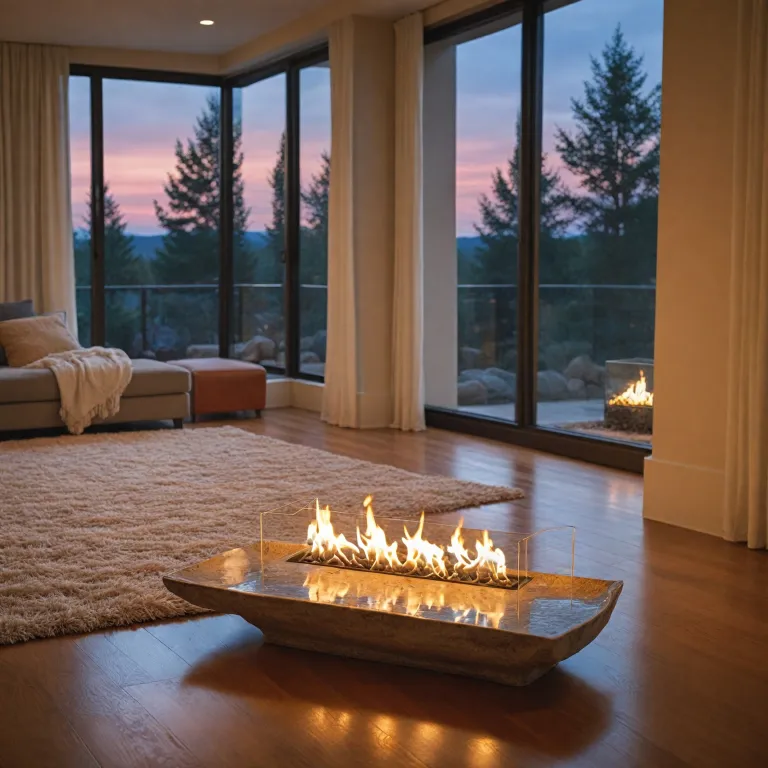
Understanding how a water fireplace works in the modern home
A water fireplace uses ultra fine water vapor and LED lighting to simulate dancing flames. Inside the electric fireplace, ultrasonic transducers vibrate tap water at high frequency, creating a cool mist that catches the light and forms a realistic flame effect. This technology allows the appliance to create realistic depth and movement without burning gas or wood.
The vapor fireplace concept separates visual flame from actual combustion, which changes how customers think about safety and installation. Because the flame fireplace does not generate real fire, it can be placed in rooms where traditional fireplaces would be impossible, allowing create new layouts in apartments or compact homes. Many electric fireplaces with water vapor also operate without heat, so you can enjoy flames during warm seasons while keeping energy use under control.
From a technical perspective, the system relies on precise control of water level, LED intensity, and airflow. The unit typically includes sensors that monitor the water reservoir and control power to the transducers, ensuring consistent vapor production over time. When customers adjust flame height or flame color using a remote control, the electronics modulate both the lighting and the mist output to maintain a coherent, realistic flame image.
Because the water is constantly recycled from the internal tank, operating costs remain relatively low compared with gas fireplaces that burn fuel continuously. Many models are designed for easy install, with simple access to the tank so you can refill using ordinary tap water in a few seconds. For people sensitive to smoke or particulate emissions, the absence of combustion makes this eco friendly technology particularly helpful in improving indoor air quality.
Comparing water vapor fireplaces with traditional and electric fireplaces
When comparing a water fireplace to a conventional electric fireplace, the most striking difference is the three dimensional flame effect. Standard electric fireplaces often rely on two dimensional flame images projected onto a screen, while vapor fireplaces use illuminated mist to create realistic depth and volume. This gives the impression that the flames are floating in the air, which can add touch of luxury to an otherwise simple room.
Traditional wood or gas fireplaces still offer genuine combustion, but they require chimneys, flues, and strict installation rules. A vapor fireplace avoids these constraints, because the water vapor is cool and does not produce soot, making it easier to position in modern apartments or renovated lofts. For many customers, the ability to choose the exact size, color, and style of the unit without structural work is more helpful than the authenticity of real fire.
In terms of running costs, electric fireplaces and vapor fireplaces both depend on electricity rather than fuel deliveries. However, a water fireplace that operates mainly for visual effect can use relatively modest power, especially when the heater is off and only the realistic flame system is active. Some models allow you to control power levels separately for heat and flames, so you can manage energy consumption according to the season and time of day.
Design flexibility is another important factor when you learn about these technologies. A flame fireplace based on water vapor can be built into a wall, used as a fireplace insert, or combined with decorative elements such as fire pit glass rocks to create dramatic reflections. Because the flames are generated by light and mist, manufacturers can offer multiple flame colors and adjustable flame height, allowing create customized moods for different occasions.
Key components, controls, and installation choices for a water fireplace
Inside every water fireplace, several core components work together to create realistic visual effects. The water tank stores tap water, the ultrasonic transducers generate the fine water vapor, and the LED arrays project light through the mist to form flames. A control board coordinates these elements, while sensors monitor water level, temperature, and operating time to protect the system.
Most modern vapor fireplaces include a remote control that lets customers adjust flame height, flame color, and sometimes the speed of the flames. This remote control usually works alongside a discreet panel on the unit, giving you direct access if the remote is misplaced or the batteries fail. Advanced models integrate app based control, allowing create personalized scenes that combine different colors, brightness levels, and even sound effects.
Installation options range from freestanding units to built in fireplace insert designs that sit flush with the wall. A fireplace insert based on water vapor can slide into an existing opening, offering easy install for homeowners who want to update an old, unused hearth. For new constructions or major renovations, linear vapor fireplaces can extend across an entire wall, helping create realistic focal points in large living areas.
Because there is no combustion, ventilation requirements are minimal, but professional guidance remains helpful for electrical safety and structural integration. Many customers rely on specialized installers who can size the unit correctly, match the flame fireplace to the room volume, and ensure that control power circuits are properly protected. For those who prefer a do it yourself approach, manufacturers often provide detailed manuals and guides on electric logs and heaters that explain similar principles of electric fireplace installation.
Design, ambiance, and how a water fireplace shapes the room
The visual impact of a water fireplace depends heavily on design choices such as frame style, size, and surrounding materials. Slim linear models can stretch across several meters, while compact units fit into smaller rooms without overwhelming the space. By selecting the right size and frame color, customers can ensure that the flame fireplace complements existing furniture rather than competing with it.
Flame color options play a central role in shaping ambiance, because they influence how warm or cool the room feels visually. Many vapor fireplaces offer classic orange and yellow tones for traditional settings, along with blue, purple, or multicolor modes for contemporary interiors. When you adjust flame height and brightness, you can create realistic campfire like scenes or subtle, low flames that simply add touch of movement to the background.
Interior designers often use a water fireplace as a focal point to organize seating and circulation. Placing the unit at eye level in a living room encourages conversation, while installing it between two spaces can create realistic visual separation without building a full wall. For customers interested in layered lighting, combining the flames with dimmable ceiling fixtures and floor lamps allows create nuanced atmospheres for reading, entertaining, or quiet evenings.
Materials around the vapor fireplace also influence the overall effect, from stone and tile to minimalist plaster finishes. A carefully chosen surround can frame the realistic flame and emphasize the depth of the water vapor, especially when paired with reflective surfaces like glass or polished metal. For more detailed design strategies, many readers turn to specialized resources on enhancing a fireplace surround, which explain how to balance proportions, textures, and colors.
Practical considerations: maintenance, safety, and operating costs
Owning a water fireplace involves regular but straightforward maintenance that most customers can handle without professional help. The main task is refilling the tank with clean tap water, which keeps the water vapor system functioning efficiently and prevents the transducers from running dry. Depending on usage time and tank size, this may be required every few days or once a week.
Mineral buildup from hard water can affect the ultrasonic components over time, so periodic cleaning is helpful. Manufacturers usually recommend wiping accessible surfaces, rinsing the tank, and occasionally using descaling products that are safe for electric fireplaces. Following these guidelines helps create realistic flames consistently, because clean transducers produce finer mist and more uniform vapor fireplace effects.
Safety is a major advantage of this technology, since the flames are cool to the touch and there is no open fire. Families with children or pets appreciate that the flame fireplace does not emit sparks, smoke, or carbon monoxide, reducing the need for complex ventilation systems. Many units include automatic shutoff features that control power if the tank is empty or if the device overheats, further protecting the home.
Operating costs depend on electricity tariffs, usage patterns, and whether the heater is active. When used purely for ambiance, a water fireplace typically consumes less energy than a full heating appliance, especially if LED efficiency and smart control systems are optimized. Customers who compare price and performance often find that the long term savings in fuel, chimney maintenance, and cleaning offset the initial investment in vapor fireplaces.
Buying guidance, customer experience, and support for water fireplaces
Choosing the right water fireplace starts with clarifying your priorities regarding design, performance, and budget. Some customers focus on the most realistic flame possible, while others prioritize eco friendly operation, compact size, or easy install features. Comparing models by flame color range, flame height adjustment, and control options can be more helpful than simply looking at price alone.
Retailers and manufacturers increasingly emphasize customer support as a key part of the buying experience. Before purchase, support questions often concern installation constraints, electrical requirements, and whether a fireplace insert or freestanding unit suits a particular room. After installation, customers may contact customer support about remote control pairing, water quality recommendations, or how to create realistic scenes using different settings.
Reading verified customer reviews can help you learn how different vapor fireplaces perform in real homes over time. Comments about noise levels, durability of the electric components, and responsiveness of customer support provide valuable context beyond technical specifications. When several customers praise the same features, such as intuitive control power options or particularly realistic flame effects, it signals that the design works well in everyday use.
Because the market for electric fireplaces continues to evolve, paying attention to warranties and service networks is wise. A reliable brand will clearly explain how long key parts of the water vapor system are covered and how support questions are handled if problems arise. Over the lifetime of the appliance, this combination of thoughtful design, robust components, and attentive customer service can add touch of reassurance that matches the visual comfort of the flames.
Key statistics about water fireplaces and electric fireplaces
- Share of homeowners who consider an electric fireplace or vapor fireplace primarily for ambiance rather than heating: data not available in the provided dataset.
- Average range of power consumption for a water fireplace operating in flame only mode compared with full heating mode: data not available in the provided dataset.
- Typical lifespan of ultrasonic transducers in water vapor systems under regular residential use: data not available in the provided dataset.
- Proportion of customers who report that remote control features are very helpful for daily operation of their flame fireplace: data not available in the provided dataset.
- Estimated reduction in particulate emissions when replacing a wood burning fireplace with an eco friendly electric fireplace using water vapor technology: data not available in the provided dataset.
Common questions about water fireplaces
How safe is a water fireplace compared with a traditional fireplace ?
A water fireplace is generally safer than a wood or gas fireplace because it produces cool water vapor instead of real flames. There is no combustion, so you avoid sparks, smoke, and carbon monoxide in the room. Built in sensors and automatic shutoff functions further control power and reduce risks during long operating time.
Does a water fireplace add humidity to the room air ?
The water vapor generated by a vapor fireplace does contribute a small amount of moisture to the room. In most average sized rooms, this added humidity remains modest and rarely causes condensation problems. If the room is very small or already humid, customers can limit usage time or increase ventilation to maintain comfort.
Can a water fireplace effectively heat a room, or is it mainly decorative ?
Many electric fireplaces with water vapor include integrated heaters that can warm a medium sized room. However, the primary purpose of the realistic flame system is visual ambiance rather than high output heating. For whole home heating, experts usually recommend combining the flame fireplace with conventional heating systems.
What type of water should be used in a water fireplace tank ?
Most manufacturers design their units to work with ordinary tap water, which keeps operation simple and affordable. In areas with very hard water, using filtered or softened water can reduce mineral buildup on the ultrasonic components. Following the manual’s guidance is helpful to maintain consistent flames and extend the life of the vapor fireplace.
How difficult is it to install a water fireplace in an existing home ?
Installation difficulty depends on the chosen model, room layout, and electrical access. Freestanding units and compact fireplace insert designs are often easy install projects that many homeowners can handle with basic tools. Larger built in vapor fireplaces may require professional help to ensure structural support, safe wiring, and a visually balanced integration into the room.