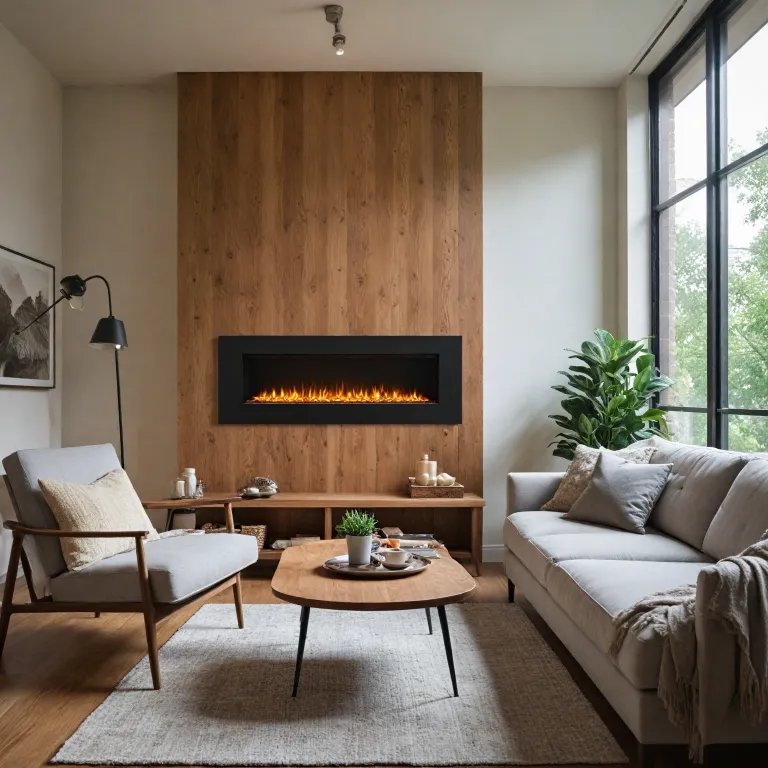

Electric fireplaces within modern energy efficient heating systems
Electric fireplaces now sit at the heart of many energy efficient heating systems in compact and large homes. They provide targeted heat that supports a central heating system, improving overall efficiency and comfort in each room. When used intelligently, this combination reduces wasted energy while maintaining stable temperatures in living areas.
In a typical house, an electric fireplace works alongside heat pumps or a high efficiency furnace to share the heating load. The central system handles background heating and cooling, while the fireplace delivers a focused source of efficient heating where people actually spend time. This zoning effect can cut energy use because you avoid overheating empty rooms just to keep one space warm.
Unlike a traditional furnace that pushes warm air through extensive ductwork, an electric fireplace produces heat directly in the occupied space. This direct source of warmth reduces losses that occur in older heating systems with leaky ducts and poorly insulated attics. When paired with an efficient heating system that is ENERGY STAR certified, the overall energy savings can be significant.
Many homeowners pair electric fireplaces with air source heat pumps to balance performance in a cold climate. The heat pump covers most of the heating season with excellent efficiency, while the fireplace adds comfort during the coldest temperatures. This strategy supports energy efficient living without sacrificing the cosy atmosphere people expect from a real flame effect.
Because electric fireplaces do not require combustion, they avoid the efficiency penalties linked to flues and chimneys. All the electrical energy is converted into heat and visual effects, which supports high efficiency operation in well insulated homes. For households seeking energy savings without major renovations, this type of system can be an accessible first step.
How electric fireplaces compare with other efficient heating options
When evaluating energy efficient heating systems, electric fireplaces should be compared with heat pumps, efficiency furnaces, and modern air conditioner units that offer heating cooling functions. A heat pump moves heat rather than generating it, which usually delivers higher efficiency than direct electric resistance heat. However, an electric fireplace can still play a strategic role when integrated into a broader system.
In many homes, existing ductwork limits how easily owners can upgrade to ground source or geothermal heat solutions. Installing a full ground source heat pump requires extensive work and high upfront costs, while an electric fireplace can be added with minimal disruption. This makes the fireplace an attractive supplement to an older furnace or air conditioner that still relies on the same ductwork system.
Some households adopt a dual fuel approach that combines a gas furnace with an air source heat pump and an electric fireplace. The heat pump handles moderate temperatures with excellent efficiency, the furnace steps in during extreme cold climate conditions, and the fireplace provides localised heat and ambience. This layered heating system can deliver strong energy savings when controlled by smart thermostats and timers.
Wall mounted electric heaters, such as a compact electric wall heater with a built in thermostat, share several advantages with electric fireplaces. Both offer precise control, quick response times, and the ability to heat specific zones without overloading the main heating system. When these devices are part of an ENERGY STAR certified package, they contribute to measurable energy savings across the season.
Compared with traditional efficiency furnaces that rely on combustion, electric fireplaces avoid combustion gases and related safety checks. They also integrate easily with modern energy systems that include solar panels or battery storage, because their electrical demand can be scheduled for off peak periods. This flexibility strengthens their role within energy efficient heating strategies for contemporary homes.
Designing an energy efficient heating system around an electric fireplace
Designing a truly energy efficient heating system means looking beyond a single appliance and considering how each component interacts. An electric fireplace can anchor a living area, while heat pumps, an air conditioner with reversible operation, and a high efficiency furnace manage the rest of the house. The goal is to match each source of heat to the space and temperatures where it performs best.
For example, an air source heat pump can deliver efficient heating and cooling for most of the year, but its efficiency may drop in a severe cold climate. During those coldest days, the electric fireplace can provide supplemental heat in the main living room, reducing the need to raise the whole house temperature. This targeted approach supports energy savings without compromising comfort in occupied zones.
Homeowners with existing ductwork often worry that upgrading to modern heating systems will require major reconstruction. In reality, a carefully planned heating system can keep the current ductwork for background air distribution while relying on electric fireplaces for peak comfort. This hybrid layout allows the central system to run at steady, efficient levels while the fireplace handles quick adjustments.
Safety and compliance remain essential when integrating any electric heating system into a house. Understanding the wiring code for electric fireplaces ensures that the system can handle the electrical load without overheating. Proper installation also protects the long term efficiency of the heating and cooling equipment by avoiding nuisance trips and voltage drops.
When planning a new layout, it is wise to consider future upgrades such as geothermal heat or advanced air source heat pumps. An electric fireplace will remain compatible with these systems because it simply draws electrical energy and converts it to heat. This adaptability makes it a resilient component in any long term, energy efficient heating strategy for modern homes.
Performance, efficiency, and operating costs in real homes
Performance and efficiency are central concerns for anyone comparing energy efficient heating systems that include electric fireplaces. While a heat pump usually offers higher efficiency than direct electric heat, the fireplace can still contribute to overall energy savings through smart use. The key lies in understanding how temperatures, room size, and insulation affect real world performance.
In a well insulated house, a modest electric fireplace can maintain comfortable heat in a living room without constant support from the main heating system. This allows the central furnace or air source heat pump to operate less frequently, which can reduce wear and extend the system lifespan. Over time, these operational savings may offset part of the electricity cost associated with the fireplace.
ENERGY STAR certified equipment, including high efficiency furnaces and advanced air conditioner units with heating cooling capability, sets a benchmark for performance. When an electric fireplace is combined with such star certified systems, the overall package can deliver strong energy efficient outcomes. Careful thermostat programming and zoning further enhance these benefits by matching heat output to actual occupancy.
Operating costs also depend on how the fireplace interacts with other heat sources such as dual fuel systems or geothermal heat. In some homes, the fireplace is used mainly during evenings, while the heat pump or furnace maintains background temperatures. This pattern can be cost effective because it concentrates higher energy use into shorter, more comfortable periods.
Regular maintenance of all heating systems, including cleaning filters and checking airflow, preserves efficiency and comfort. Owners should also monitor how the fireplace affects humidity and air movement, especially in tightly sealed homes. By tracking these factors, households can fine tune their heating system for both comfort and long term energy savings.
Cold climate strategies and the role of electric fireplaces
Cold climate regions present particular challenges for energy efficient heating systems that rely on air source heat pumps. As outdoor temperatures fall, the heat pump must work harder to extract heat from the air, which can reduce its efficiency. In these conditions, an electric fireplace becomes a valuable supplemental source of heat in the most used rooms.
Some homeowners pair an air source heat pump with a high efficiency furnace in a dual fuel configuration, then add an electric fireplace for targeted comfort. The furnace or heat pump handles the bulk of the heating load, while the fireplace provides quick warmth during cold snaps or evenings. This layered approach allows each system to operate closer to its optimal efficiency range.
Geothermal heat and ground source systems maintain more stable efficiency at low temperatures, but they require significant upfront investment. For many households, adding an electric fireplace to an existing heating system is a more accessible way to improve comfort. It can also reduce the temptation to raise the thermostat for the entire house when only one room feels cold.
In very cold climate areas, homeowners should pay attention to how their heating systems manage both heating and cooling seasons. An efficient heating system that performs well in winter should also coordinate with an air conditioner or heat pump during summer. Electric fireplaces remain mostly idle in warm months, which keeps their operating costs low while still supporting year round comfort planning.
To extend the life and efficiency of all components, it is important to maintain both the central heating system and the fireplace. Guidance on smart choices for fireplace replacement parts can help preserve performance and safety. When every part of the system works reliably, households can enjoy stable temperatures and meaningful energy savings even in harsh winters.
Practical tips for choosing and using an electric fireplace efficiently
Selecting an electric fireplace that fits your heating system begins with understanding room size and insulation. A unit that is too small will struggle to provide enough heat, while an oversized system may cycle frequently and waste energy. Matching capacity to the space ensures efficient heating and stable comfort in daily use.
Look for models that integrate well with existing heating systems, including heat pumps, high efficiency furnaces, and reversible air conditioner units. Features such as programmable thermostats, timers, and multiple heat settings allow you to fine tune energy use. When combined with ENERGY STAR certified central equipment, these controls support a genuinely energy efficient home.
Homeowners should also consider how the fireplace affects airflow and ductwork performance in the house. In some layouts, closing nearby vents slightly can encourage the central heating system to focus on other rooms while the fireplace warms the main area. This simple adjustment can improve overall system efficiency without major modifications.
During milder temperatures, you can often rely on the fireplace alone in the living room while keeping the central heating system at a lower setting. This practice reduces the workload on heat pumps and efficiency furnaces, which may extend their service life. In warmer months, using the flame effect without heat maintains ambience without adding unnecessary cooling demand.
Finally, track your electricity bills and comfort levels over several months to evaluate real energy savings. Adjust how you use the fireplace, heat pump, and other systems based on this data, aiming for both comfort and efficiency. With thoughtful operation, an electric fireplace becomes a powerful ally in any energy efficient heating strategy for modern homes.
Key statistics on energy efficient heating systems and electric fireplaces
- In many homes, combining an electric fireplace with an air source heat pump can reduce central heating runtime by a noticeable margin, especially during evenings.
- ENERGY STAR certified heating systems, including high efficiency furnaces and advanced heat pumps, typically consume significantly less energy than older, non certified models.
- Ground source and geothermal heat systems often deliver higher seasonal efficiency than traditional air based systems, but require greater upfront investment.
- Households that adopt zoning strategies with electric fireplaces frequently report improved comfort in main living areas without raising whole house temperatures.
- Regular maintenance of heating and cooling equipment, including filters and ductwork checks, can preserve a substantial portion of the original system efficiency over time.
Common questions about electric fireplaces and energy efficient heating
How does an electric fireplace affect overall heating efficiency in a home ?
An electric fireplace can improve overall heating efficiency by providing targeted heat in the rooms you use most. This allows the central heating system, whether it is a heat pump or furnace, to operate at lower settings or run less frequently. When used strategically, the combination supports energy savings without sacrificing comfort.
Can an electric fireplace replace a central heating system in cold climates ?
An electric fireplace is not designed to replace a full central heating system in a cold climate. It works best as a supplemental source of heat that enhances comfort in specific zones. Central systems such as air source heat pumps, geothermal heat, or efficiency furnaces remain essential for whole house temperature control.
Is it more efficient to use an electric fireplace or a heat pump ?
A heat pump is generally more efficient than direct electric heat because it moves heat instead of generating it. However, an electric fireplace can still contribute to efficient heating when it reduces the need to warm unused rooms. The most effective approach often combines both technologies within a coordinated heating system.
How should I size an electric fireplace for my living room ?
To size an electric fireplace correctly, consider the room area, ceiling height, and insulation quality. Manufacturers usually provide guidance on the suitable room size for each model, which helps avoid under or oversizing. Matching capacity to the space supports both comfort and energy efficient operation.
Are electric fireplaces compatible with existing ductwork and older furnaces ?
Electric fireplaces are generally compatible with existing ductwork and older furnaces because they operate independently of the air distribution system. They can supplement heat in key rooms while the central system continues to serve the rest of the house. This flexibility makes them a practical upgrade for many homes seeking better comfort and energy savings.