
Floating mantel design as a refined frame for electric fireplaces
A floating mantel above an electric fireplace instantly anchors the wall. This simple horizontal line creates a calm visual frame, while the fireplace adds movement and warmth beneath. In a compact room, the right mantel shelf can make the entire space feel more intentional and composed.
Homeowners often begin with a single floating shelf, then gradually extend the concept into coordinated wall shelves around the fireplace. When these shelves are aligned in precise inches and proportions, the fireplace mantel becomes part of a larger architectural composition rather than a lone accent. The result is a living room that feels curated, with decor, lighting, and technology working together instead of competing.
Electric models make it easier to install a floating fireplace feature because there is no real flame or chimney. This allows a solid wood mantel or engineered wood mantel shelves to sit closer to the unit, provided manufacturer clearances in millimetres and inches are respected. Many people now treat the floating mantel as a display shelf for art, books, and soundbars, blending entertainment and ambience in one streamlined wall.
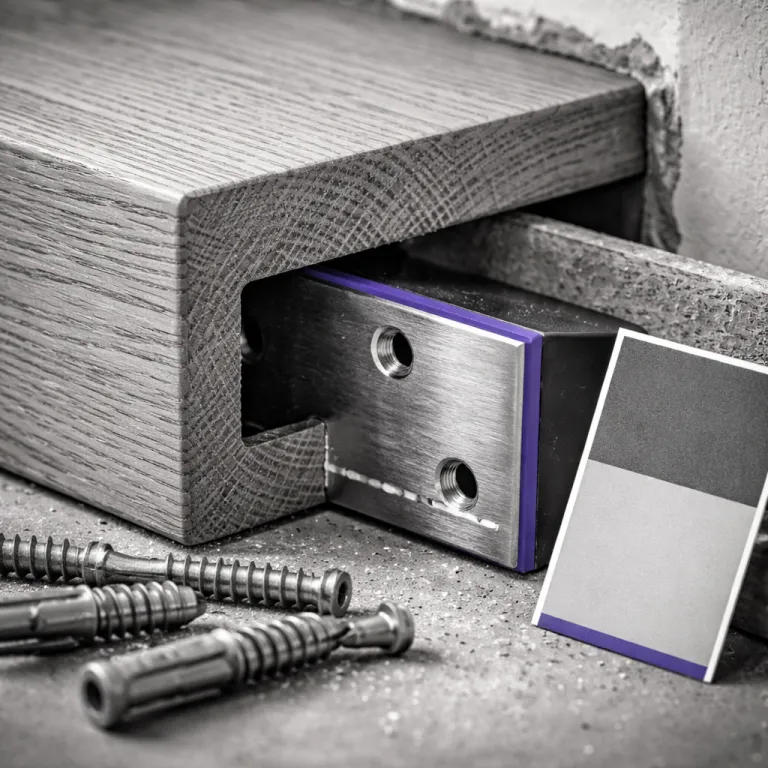
Designers increasingly favour wall mounted solutions that hide cables and brackets behind cladding or plasterboard. Heavy duty mantel brackets and discreet shelf brackets support the weight of rustic wood or painted wood without visual clutter. In this context, the floating mantel becomes both a technical solution and a design statement, especially when paired with linear electric fireplaces as refined focal points for modern homes, which you can explore in more depth through this specialist guide.
Choosing mantel materials, sizes, and brackets for safety and style
Selecting the right mantel material is crucial when pairing a floating mantel with an electric fireplace. Solid wood offers warmth and authenticity, while engineered wood provides stability and predictable performance over long spans. Both options can be crafted into mantel shelves or a single bold mantel shelf that stretches across the wall.
For a rustic wood aesthetic, designers often specify thick slabs between 10 and 20 centimetres deep, translating to roughly 4 to 8 inches. These rustic mantels may feature softened edges and visible grain, which contrast beautifully with the clean glass of a floating fireplace insert. In contemporary interiors, slimmer floating shelves in painted engineered wood can echo kitchen cabinetry or bathroom vanity finishes for a cohesive look.
Weight and span determine whether you need heavy duty mantel brackets or lighter shelf brackets. A 120 centimetre mantel, close to 48 inch, carrying books, vases, and decor requires robust mantel brackets anchored into structural studs. Shorter wall shelves of 60 to 90 centimetres, or 24 to 36 inches, can sometimes rely on concealed wall mounted hardware, but only when the product specifications confirm adequate load ratings.
Electric units still generate heat at the front, so clearances between the fireplace and the floating shelf must follow the manufacturer’s manual. This is especially important when installing wall shelves fireplace arrangements that wrap around the opening. For readers comparing compact stoves with wall units, a detailed review of a small electric fireplace stove heater is available in this expert analysis of cosy electric heat, which helps clarify how different products interact with nearby mantels and shelves.
Integrating floating shelves and mantels into different rooms
Although the living room remains the classic setting, a floating mantel can enhance many other spaces. In an open plan kitchen and dining area, a low profile fireplace mantel with matching floating shelves can visually separate the cooking zone from the seating zone. The same wood species used for kitchen wall shelves and the mantel shelf above the electric unit creates a subtle but powerful sense of continuity.
Bathrooms increasingly feature compact electric fireplaces for spa like ambience, especially in larger suites. Here, a narrow floating shelf or pair of wall mounted shelves can hold candles, rolled towels, and decor while echoing the vanity’s solid wood or engineered wood finish. Careful attention to moisture resistant coatings and sealed brackets is essential, particularly when using rustic wood near steam and splashes.
In bedrooms, a floating fireplace with a slim mantel shelf offers a calm focal point without the bulk of a traditional surround. Designers often flank the fireplace with symmetrical floating shelves, turning the wall into a display shelf system for books, framed photos, and soft lighting. When the shelves fireplace composition is kept shallow, usually under 20 centimetres or about 8 inches, circulation around the bed remains comfortable.
Some homeowners even extend the concept into home offices, where a compact fireplace mantel and matching wall shelves can soften the technology heavy environment. For those considering alternative flame effects, it is worth understanding how ethyl alcohol fireplaces differ from electric models, as explained in this in depth guide to alcohol based fireplaces. Electric fireplaces generally offer more flexibility for wall mounted mantels and mantel brackets because they do not require flues or combustion air.
Balancing proportions, inches, and visual weight around the fireplace
Proportion is the quiet force that makes a floating mantel feel either elegant or awkward. A common guideline is to size the mantel shelf at least as wide as the fireplace opening, often extending 5 to 15 centimetres, or 2 to 6 inches, beyond each side. This creates a visual base for any floating shelves or wall shelves installed above or beside the unit.
Vertical spacing also matters, especially when combining a floating fireplace with a television. Many designers leave 30 to 45 centimetres, roughly 12 to 18 inches, between the top of the fireplace and the underside of the mantel. This gap protects decor from heat and leaves room for subtle LED lighting under the mantel shelf, which can wash the wall in a soft glow.
When multiple mantel shelves or floating shelves are stacked, consistent spacing in centimetres and inches keeps the composition calm. For example, three wall mounted shelves at 25 centimetres apart can frame the fireplace mantels area without overwhelming it. The thickness of each floating shelf or mantel bracket cover should relate to the scale of the room, with chunkier rustic wood profiles suiting larger living rooms.
Visual weight is not only about dimensions but also about colour and texture. Dark solid wood mantels appear heavier than pale engineered wood, even at the same inch thickness. Pairing a substantial floating mantel with lighter, thinner wall shelves fireplace elements above can create a grounded yet airy effect that flatters both the electric fireplace and the surrounding decor.
Practical installation, delivery, and maintenance considerations
Behind every elegant floating mantel lies careful planning of structure, delivery, and installation. Before ordering any product, measure the wall in centimetres and inches, noting stud positions, electrical outlets, and the exact fireplace dimensions. This information guides the choice of mantel brackets, shelf brackets, and the final length of mantel shelves or floating shelves.
Many manufacturers now ship fireplace mantels and floating shelf systems with concealed heavy duty hardware. These wall mounted kits often include a steel mantel bracket or series of shelf brackets that bolt directly into studs, then slide into cavities routed into the solid wood or engineered wood shelf. Checking the stated load capacity in kilograms and pounds is essential, especially when planning to use the mantel as a display shelf for books, ceramics, or audio equipment.
Delivery logistics also influence material choice and design. Long rustic wood beams can be heavy and difficult to manoeuvre in tight stairwells, whereas modular mantel shelves and wall shelves arrive in shorter lengths that are easier to carry. Some homeowners opt for hollow box construction in engineered wood, which reduces weight while preserving the look of a solid wood floating mantel.
Maintenance is relatively straightforward with electric fireplaces because there is no soot or ash to stain the mantel shelf. Regular dusting and occasional re oiling of rustic wood keep the surface rich and resilient. Painted floating shelves and bathroom wall shelves may need periodic touch ups, particularly around high traffic areas where decor is frequently rearranged.
Styling the floating mantel for different moods and seasons
Once the structure is secure, styling transforms a floating mantel from a simple board into a narrative. In a living room, a single large artwork centred above the fireplace mantel can establish the theme, while smaller decor pieces on the mantel shelf echo its colours. Flanking floating shelves or wall shelves can then hold books, plants, and objects that reinforce the story without crowding the focal point.
Layering heights is key to an elegant composition on both mantels and shelves fireplace arrangements. Start with one or two taller items, such as vases or candlesticks, then add medium and low pieces to create a gentle skyline across the floating shelf. Leaving deliberate negative space between objects allows the solid wood or engineered wood surface to breathe and keeps the eye moving comfortably.
Seasonal changes offer opportunities to refresh the floating fireplace area without major expense. In colder months, textured textiles, warm metallics, and rustic wood accents can make the room feel cocooned. During warmer seasons, lighter ceramics, greenery, and pared back decor on the mantel shelves and wall mounted shelves help the space feel open and cool.
Different rooms invite different styling priorities, from practical storage in the kitchen to spa like calm in the bathroom. Throughout these variations, the combination of a well proportioned floating mantel, reliable mantel brackets, and thoughtfully arranged decor builds trust in both the product and the design. Over time, this quiet confidence turns the fireplace mantels zone into the emotional heart of the home, supported by durable materials, precise inches based planning, and careful attention to every bracket and shelf.
Key statistics about electric fireplaces and mantels
- Up to 90 % of the heat produced by many electric fireplaces can remain inside the room, compared with significantly lower efficiency for some traditional open fireplaces.
- Wall mounted electric fireplaces with floating mantels typically project between 15 and 30 centimetres from the wall, helping maintain comfortable circulation in compact rooms.
- Manufacturers commonly recommend a minimum clearance of around 30 centimetres between the top of an electric fireplace and the underside of a mantel shelf.
- Engineered wood mantels can weigh up to 40 % less than comparable solid wood beams, easing delivery and installation on interior stud walls.
- Heavy duty mantel brackets for floating shelves are often rated to support loads exceeding 45 kilograms when correctly anchored into structural framing.
Questions people often ask about floating mantels and electric fireplaces
How high should a floating mantel be above an electric fireplace ?
Most manufacturers advise placing a floating mantel at least 30 centimetres above the top of the electric fireplace opening. Many designers extend this to 35 or 40 centimetres to allow for decor and potential heat deflection. Always check the specific product manual, as clearances can vary between models and wall constructions.
Can a floating mantel support a television above an electric fireplace ?
A floating mantel can visually separate a television from an electric fireplace, but it is rarely designed to carry the TV’s weight. The television should be mounted directly to the wall with appropriate brackets anchored into studs. The mantel shelf then acts as a visual buffer and a display shelf for decor, not as structural support for electronics.
Are solid wood mantels safe with electric fireplaces ?
Solid wood mantels are generally safe with electric fireplaces when installed according to the manufacturer’s clearance guidelines. Because electric units do not produce open flames or combustion gases, the risk to wood is lower than with traditional fireplaces. Nonetheless, respecting the recommended distance in centimetres and inches between the firebox and the mantel shelf remains essential.
What is the difference between a floating shelf and a floating mantel ?
A floating shelf is a generic wall mounted surface used throughout the home, while a floating mantel is specifically positioned around a fireplace opening. Mantels are usually deeper, thicker, and supported by heavy duty mantel brackets or concealed hardware designed for higher loads. Floating shelves elsewhere in the room may be slimmer and rely on lighter shelf brackets, even when they share the same wood finish.
Can I install floating shelves around an existing electric fireplace ?
Floating shelves can often be added around an existing electric fireplace, provided you respect heat clearances and structural requirements. Start by mapping stud locations and verifying that mantel brackets or shelf brackets can be securely anchored. Then design the wall shelves fireplace composition so that each floating shelf or mantel shelf sits at a safe distance from the unit while still framing it attractively.
Trustful expert sources :
- Energy Saving Trust – Guidance on electric heating efficiency and home energy use.
- National Fire Protection Association (NFPA) – Recommendations on fireplace clearances and combustible materials.
- Underwriters Laboratories (UL) – Safety standards and testing for electric fireplace products and mounting hardware.