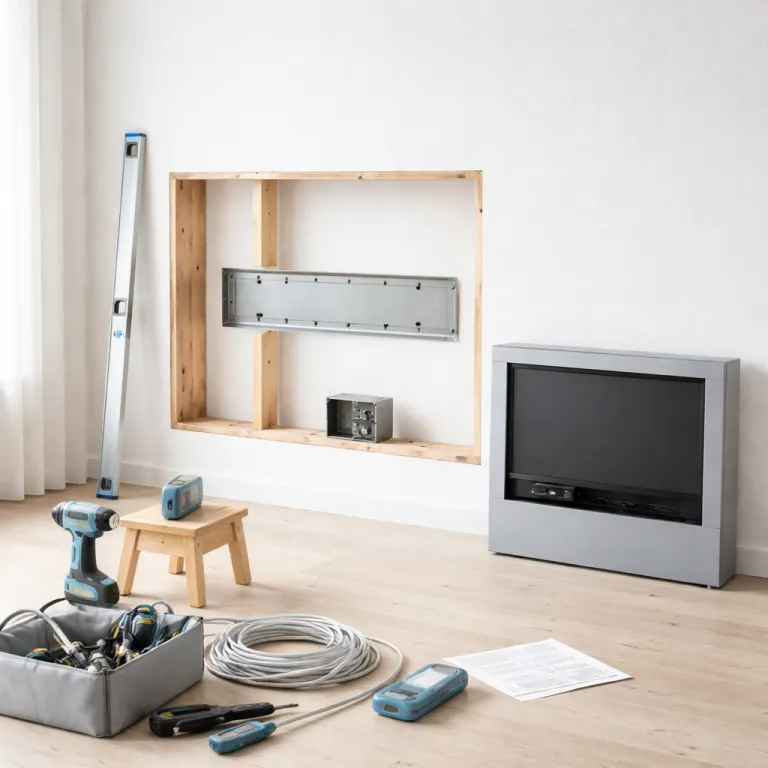

Planning how to install an electric fireplace in a real wall
Most problems with an electric fireplace start before the first screw goes in. When homeowners ask how to install electric fireplace units safely, the real answer begins with a tape measure, a stud finder and your breaker panel. Treat this planning step as seriously as you would for a gas line or a wood burning chimney.
Start by mapping the fireplace wall where you want the unit mounted, then mark stud positions, outlet locations and any existing cables or pipes. A wall mounted electric fireplace that weighs more than 18 kilograms must have its brackets fixed into at least two studs, because drywall anchors alone tend to fail once fan vibration and heat cycles add up over several series of winters. If you are planning a recessed fireplace insert or a built wall niche, sketch a simple photo gallery style elevation so you can see how the surround, TV and furniture will align.
Next, check your electrical capacity before you install electric appliances that draw serious power. A typical fireplace electric heater rated at 1500 watts pulls about 12.5 amperes on a 120 volt circuit, which leaves almost no headroom on a 15 ampere breaker once lights or a plug fireplace for a lamp share that line. For most fireplaces electric models, the safest path is a dedicated circuit, especially if you want to run the burning fireplace effect and full heat for long evenings.
Think about how the electric fireplaces will live in the room, not just how they look in a glossy photo. A mounted freestanding unit that projects 20 centimetres from the wall can crowd a narrow hallway, while a slim wall hanging model might suit a tight bedroom better. If you are replacing an old gas or wood burning unit, measure the existing opening carefully to see whether a modern insert fireplace or other fireplace inserts can slide into the surround without awkward gaps.
Finally, decide whether you are comfortable with a DIY installation or whether a professional should handle at least the wiring step. Plug in fireplaces that simply hang on the wall are realistic weekend projects for many homeowners, but a hardwired fireplace insert or multiple fireplaces electric on one level usually justify an electrician. The more permanent the fireplace installed in your structure, the more you should treat it like any other fixed product that affects safety and resale value.
Choosing between wall mounted, recessed and mounted freestanding fireplaces
Once you know your wall and power constraints, you can choose the right electric fireplace format. The three main families are surface wall mounted units, recessed or built in fireplace insert models and mounted freestanding stoves that sit slightly off the wall. Each style changes how you install electric units and how they behave over time.
Surface mount fireplaces hang on the wall much like a television, using steel brackets that hook into the back of the product. These wall hanging designs are the easiest way to answer how to install electric fireplace units without opening up framing, because you only need to locate studs and a nearby outlet. They work well for renters or for anyone who wants the option to move the fireplace electric to another room later.
Recessed electric fireplaces and true fireplace inserts sit partly or fully inside the wall cavity, which creates a cleaner fireplace wall look. Models like the Touchstone Sideline series or the SimpliFire electric built in line are designed to be framed in with specific clearances at the top, bottom and sides for air intake and exhaust. When you see a sleek photo gallery of modern fireplaces electric online, you are usually looking at this recessed category rather than a simple surface mount.
Mounted freestanding stoves, such as the Duraflame DFI 5010, blur the line between furniture and appliance. They sit on legs or a base just off the wall, sometimes with a small surround or mantel, and usually plug into a standard outlet without special installation. These units are forgiving if you misjudge the exact fireplace wall position, but they still need safe clearance from curtains, furniture and any wood trim.
If you are converting an old gas or wood burning opening, a purpose built insert fireplace is often the cleanest solution. A fireplace insert slides into the existing cavity, covers gaps with a surround panel and turns a drafty burning fireplace into an efficient zone heater. For visual planning, save a few images into your own photo gallery so you can compare how different fireplace inserts and wall mounted units change the proportions of your room.
For design led projects, it helps to read a detailed guide on enhancing your home with a wall mount fireplace before you commit to framing or wiring. That kind of resource explains how a wall mounted electric fireplace interacts with mantels, built ins and TV placement in real living spaces. A little time spent on layout now prevents the common regret of a beautiful fireplace installed 10 centimetres too high for comfortable viewing.
Power, wiring and the hidden limits of plug in fireplaces
Many marketing photos make an electric fireplace look like a simple lamp with flames, but the wiring reality is closer to a small space heater. When you ask how to install electric fireplace units safely, the first technical answer is that most 1500 watt models should live on their own 15 ampere circuit. That means no daisy chained extension cords, no power strips and no sharing with a vacuum, iron or high draw kitchen appliance.
Start by finding which breaker controls the outlet where you plan to plug the fireplace, then label that breaker clearly. Turn on the heater function of another high draw device on the same circuit, such as a portable heater, and see whether the breaker trips when both run together, because that simulates the load of many fireplaces electric models. If the breaker trips or the lights dim noticeably, plan for a dedicated circuit before you install electric heaters permanently.
Hardwired electric fireplaces and some larger fireplace insert models require a direct connection to a junction box rather than a simple plug. In those cases, building code usually expects a licensed electrician to run the cable, size the breaker correctly and verify that the fireplace electric unit is compatible with the supply voltage. When in doubt, consult a guide on understanding the wiring code for electric fireplaces so you know what questions to ask your contractor.
There are also in wall power kits and surface raceways that let you hide the cord from a plug fireplace behind drywall without full rewiring. These kits must be rated for the current draw of the product, and many are designed specifically for televisions rather than for fireplaces electric, so read the fine print carefully. If the documentation does not explicitly mention heaters or 1500 watt loads, assume it is not suitable for a wall mounted electric fireplace.
Never run an extension cord through a wall, under a rug or behind insulation to reach a mounted freestanding stove or wall hanging unit. Heat buildup, mechanical damage and unseen wear on the cord are three of the most common failure points that inspectors flag after a fire. A safe installation keeps every cable visible, accessible and sized correctly for the continuous load of the electric fireplaces you plan to run.
Finally, remember that a recessed fireplace insert or other fireplace inserts change how heat moves inside the wall cavity. Poorly planned wiring can end up too close to warm surfaces, especially near the top of a built wall niche where hot air collects. Ask your electrician to route cables away from the hottest zones and to secure them so they cannot sag onto the back of the fireplace installed in the framing.
Mounting, brackets and framing a safe fireplace wall
Once the wiring plan is clear, the physical mounting of the electric fireplace becomes the next critical step. A wall mounted unit relies entirely on its brackets and fasteners, so this is where shortcuts turn into cracked drywall or worse. Think of the bracket as a structural element, not just a hanger.
Use a stud finder to locate at least two studs across the width of the fireplace, then mark their centres with painter’s tape. Hold the mounting brackets against the wall at the recommended height, checking with a long level so the fireplace installed later will not tilt or rattle. For heavier fireplaces electric, consider adding a horizontal ledger board screwed into multiple studs, then attach the brackets to that board for extra support.
Recessed electric fireplaces and fireplace insert models need a framed opening that matches the manufacturer’s framing diagram exactly. That usually means building a simple box from timber studs, with a header at the top and cripple studs on the sides, then sheathing it with fire rated board where required. The clearances around the product are not cosmetic ; they allow cool air to enter and hot air to leave without overheating the surround or the internal electronics.
If you are converting a former gas or wood burning opening, inspect the existing masonry or framing before sliding in any insert fireplace. Old soot, loose bricks or warped metal can interfere with how the new fireplace inserts sit, and gaps around the surround can create whistling noises when the fan runs. Many installers add a sheet metal or cement board backer to create a flat, stable surface before fixing the surround panels.
For mounted freestanding stoves, the wall behind still matters because heat and airflow can affect paint, trim and nearby furniture. Keep at least the manufacturer’s minimum clearance from the back of the product to the wall, and avoid running cables or curtains directly behind the unit. If you are placing a stove on a timber floor, consider a small hearth pad to protect against scuffs and to visually anchor the burning fireplace effect.
Always dry fit the electric fireplace on its brackets before final tightening, then step back and check alignment with the rest of the room. Look at how the fireplace wall relates to windows, doors and any built wall shelving, because a few millimetres of adjustment now can make the whole composition feel intentional. Once you are satisfied, lock the brackets, secure any anti tip hardware and only then move on to finishing the surround.
The five installation mistakes that quietly ruin electric fireplaces
Most electric fireplace failures are not dramatic, they are slow and annoying. When people ask how to install electric fireplace units without regret, what they really want is to avoid the five mistakes that show up in year three, not week one. Those mistakes are almost always about power, airflow and support.
The first and most common error is using an undersized breaker or a shared circuit for fireplaces electric. A 1500 watt heater running for hours counts as a continuous load, and many older homes already have lighting, outlets and sometimes outdoor receptacles on the same 15 ampere line. The result is nuisance tripping, warm cords and sometimes subtle thermostat drift as the unit throttles itself to avoid overheating.
The second mistake is blocking vents on a wall mounted or recessed unit, either with a too tight surround or with decor. Electric fireplaces need a clear intake at the bottom and an unobstructed exhaust at the top or front, and even a thick rug or a deep mantel can disrupt that airflow. Over time, blocked vents cook the electronics, dim the flame LEDs and make the fan louder than it was when the product was new.
The third failure point is mounting brackets fixed to a single stud or, worse, only to drywall anchors. A heavy fireplace electric unit hanging from one stud tends to twist slightly every time someone bumps it, which enlarges the screw holes and cracks the plaster. Two studs and proper structural screws are the minimum for any serious wall hanging installation, especially in high traffic rooms.
The fourth mistake is ignoring the bottom intake gap on a fireplace insert or other fireplace inserts. Many models specify a minimum distance from the floor or hearth to the bottom of the insert fireplace, because that is where cool air enters to feed the heater. Installers who push the unit down to close a cosmetic gap often create a hidden airflow choke that shortens the life of the fan and heating element.
The fifth and most dangerous shortcut is using a daisy chained extension cord or power strip to reach a plug fireplace. Extension cords under rugs, behind furniture or through walls overheat quietly, and their connections loosen with every bump of the furniture. A safe answer to how to install electric fireplace units never includes a permanent extension cord ; if the outlet is in the wrong place, move the outlet or choose a different product.
Post install checks, maintenance and living with your electric fireplace
Once the electric fireplace is on the wall and wired, the job is not finished until you have tested how it behaves in real use. A careful post install check catches problems early, before they become warranty fights or mid winter failures. Think of this as commissioning the appliance, not just turning it on.
Start with a thermostat and fan test by running the heater on high for at least one hour while you sit in the room. Listen for rattles, buzzes or scraping sounds from the fan, which often indicate a slightly misaligned fireplace installed on its brackets. Use an infrared thermometer to check the temperature of the surround, nearby wood trim and the wall above the unit, looking for any hot spots that feel out of line with the manual.
Next, test the remote control, timer functions and any smart features, because these are easier to fix or return under warranty in the first weeks. Some electric fireplaces, especially cheaper series, ship with remotes that have limited range or interference issues in rooms full of other electronics. If the remote struggles to control the product reliably from your usual seating position, contact the manufacturer early rather than living with frustration.
Long term, maintenance for fireplaces electric is mostly about dust management and gentle cleaning. Vacuum the intake and exhaust grilles every few months with a soft brush, especially on wall mounted units that sit near the floor where pet hair collects. For a recessed fireplace insert or other fireplace inserts, remove the front glass annually if the manual allows, then clean both sides with a non abrasive cloth to keep the flame effect crisp.
When comparing models, pay attention to overheat protection and certification rather than just flame realism or a flashy photo gallery in the brochure. Independent tests of top electric fireplaces with overheat protection show that better sensors and smarter control boards can shut down a burning fireplace effect before surfaces get dangerously hot. That kind of safety net matters more in daily life than an extra colour mode in the flame series.
Finally, remember that the best answer to how to install electric fireplace units is the one that still feels right after a decade. Choose a layout that respects clearances, a wiring plan that respects your breaker panel and a mounting method that respects gravity. What counts is not the log pattern in the showroom, but the tenth winter in your living room.
Key figures and safety statistics for electric fireplaces
- Most plug in electric fireplaces for residential use draw around 1500 watts, which equals roughly 12.5 amperes on a 120 volt circuit, leaving very little margin on a standard 15 ampere breaker for other devices on the same line.
- Wall mounted and recessed electric fireplace units commonly weigh between 15 and 40 kilograms, which is heavy enough that manufacturers typically require mounting brackets to be fixed into at least two wall studs rather than relying on drywall anchors alone.
- Zone heating with a single electric fireplace in a main living area can allow homeowners to lower the central thermostat by 1 to 2 degrees Celsius, which various energy agencies estimate can reduce overall heating energy use by roughly 3 to 6 percent.
- Many modern electric fireplaces include overheat protection sensors that cut power if internal temperatures exceed safe limits, a feature that significantly reduces the risk of fire compared with older portable heaters that lack automatic shutoff.
- Recessed and built in fireplace insert models often specify minimum clearances of 5 to 10 centimetres at the top and bottom for air intake and exhaust, and ignoring these clearances is one of the most common causes of premature fan and element failure.
FAQ about installing an electric fireplace
Can I plug an electric fireplace into any standard outlet ?
Most plug in electric fireplaces are designed for a standard 120 volt outlet, but they should ideally be on a dedicated 15 ampere circuit. Sharing that circuit with other high draw devices like heaters, irons or vacuums increases the risk of tripped breakers and overheated wiring. Always check the product manual for the exact current draw before deciding which outlet to use.
Do I need a professional to install a recessed or built in unit ?
A surface wall mounted fireplace is often a realistic DIY project, but recessed and hardwired units usually justify hiring an electrician and sometimes a carpenter. These models require precise framing, respect for clearances and correct breaker sizing, which are all areas where professional experience prevents expensive mistakes. If the manual mentions hardwiring or a dedicated circuit, plan on at least some professional involvement.
How high should I mount an electric fireplace on the wall ?
For a living room where people sit on a sofa, the bottom of a wall mounted electric fireplace typically works best at about 30 to 45 centimetres above the floor. That height keeps the flames in a comfortable viewing zone without overheating a television mounted above. Always cross check with the manufacturer’s minimum clearance from the floor and any nearby combustible materials.
Can I install an electric fireplace in a bathroom or outdoor space ?
Some electric fireplaces are rated for bathroom or outdoor use, but many standard models are not designed for moisture or weather exposure. If you want a unit for a covered patio or a damp room, look specifically for products with an outdoor or bathroom rating and follow the installation instructions closely. Using an indoor only model in these locations can void the warranty and create safety risks.
Is an electric fireplace safe to use with children and pets ?
Electric fireplaces generally have cooler glass and more controlled surface temperatures than gas or wood burning units, which makes them safer around children and pets. However, the glass and metal trim can still become uncomfortably warm during long heating cycles, so basic precautions like supervision and clear floor space in front of the unit still apply. Choosing a model with overheat protection and a cool touch front panel adds another layer of safety in busy family rooms.