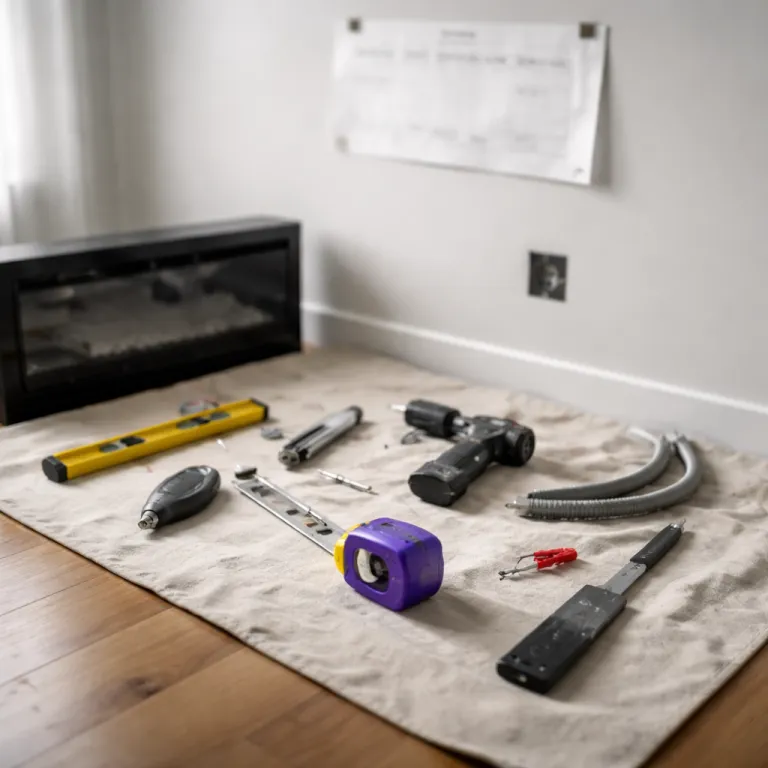
Start with the wall, not the wall mounted electric fireplace
Your best wall mounted electric fireplace choice starts with a tape measure, not a catalogue. Before you compare any electric fireplaces or read glowing reviews, you need a wall audit that tells you where studs sit, how deep the cavity is and what is on the other side of the plasterboard or masonry. That single exercise will quietly remove half the fireplaces recessed into glossy brochures from your realistic list.
Begin by mapping every stud across the wall where the fireplace will mount, because any mounted electric unit over roughly 18 kilograms should span at least two studs rather than relying on drywall anchors that tend to fail after a couple of winters.[1] Safety guidance from testing laboratories such as UL and Intertek generally supports fixing heavier wall mounted appliances into structural framing rather than plasterboard alone.[2] Check whether your wall is standard plasterboard on timber studs, older plaster on lath, or solid brick or block, since each wall type changes how a wall mount bracket, a flush mount frame or a recessed wall box can be fixed safely. If there is plumbing, electrical conduit or insulation directly behind the chosen spot, that will also limit how deep a recessed electric fireplace insert can sit without expensive rework.
Depth is the silent constraint that shapes every electric fireplace decision, especially when you are tempted by a fully recessed smart electric model with a dramatic LED flame effect. Measure from the finished wall surface to the back of the cavity and compare that with the manufacturer’s stated depth in millimetres or inches, then add the required air gap where “no venting needed” is claimed but minimum clearances still apply in the installation manual.[3] Once you know whether your wall supports a simple hanging wall installation, a semi recessed smart unit or a fully recessed design, you can match the right item to the right structure instead of forcing a premium showpiece into a wall that only suits a budget friendly surface mount electric option.
Surface mount, semi recessed or fully recessed smart electric
Once the wall audit is done, the next decision is how far your wall mounted electric fireplace should project into the room. Surface mount electric fireplaces hang like a television on the wall, semi recessed models sink part of their body into a shallow cavity, and fully recessed electric fireplaces sit almost flush with only a slim frame visible. Each approach has different demands for mount installation, different visual weight on the wall and different risks if you misjudge clearances.
Surface mounted electric fireplaces are the most forgiving option for tricky walls, especially where depth is low and stud spacing is irregular or where masonry makes cutting a recess expensive. A good example is the Duraflame DFI-5010 style of compact electric fireplace, which behaves more like an insert in a cabinet but illustrates how a shallow body and simple wall mount bracket can simplify installation for renovators.[4] When you choose a hanging wall configuration, you accept a few extra centimetres of projection into the room, but you avoid cutting into plasterboard, you reduce the chance of hitting services and you keep the option to move the fireplace later if your layout changes.
Semi recessed and fully recessed designs suit clean lined, contemporary living spaces where you want the LED flame to float in the wall like a linear gas unit. Models such as the Touchstone Sideline series or a modern fireplace with electric fire for contemporary living spaces, which you can see in this design focused electric fireplace guide, typically specify exact cavity dimensions in both inch and centimetre measurements, along with minimum high and low clearances.[5] If your recessed wall depth is marginal, you may need to frame out the wall slightly, accept a semi recessed configuration instead of a full flush mount, or step down to a slimmer item where the price range still leaves room in the budget for carpentry.
Getting the size right: inches, proportions and wall geometry
Most buyers fixate on the diagonal inches of the wall mounted electric fireplace, but the wall width and ceiling height matter more for balance. On a 4 metre wall, a 50 inch fireplace can look lost, while on a 2.5 metre wall the same fireplace dominates the space and pushes furniture too far apart. Think of the fireplace as a horizontal anchor that should span roughly one third to one half of the wall, with the exact inch measurement tuned to your room’s proportions and viewing distance.
Linear electric fireplaces commonly come in 36, 50, 60 and 72 inches, and that list of standard sizes tempts renovators to size up automatically. In practice, a 60 inch recessed electric unit under a 65 inch television on a 3 metre wall often feels visually cramped, especially when the mount electric bracket forces the television higher than ideal eye level. A more thoughtful high low approach is to sketch the wall, mark furniture positions and then test cardboard templates at different widths, checking how the LED flame window aligns with sofas, artwork and any sided shelving or cabinetry.
Depth and frame style also change how large a fireplace appears, because a flush mount frame with a thin black border reads wider than a chunky surface frame of the same inch dimension. A recessed smart electric fireplace with a frameless glass front can visually stretch the wall, so you might step down from 72 inches to 60 inches to avoid overwhelming a modest room. When you compare models such as the Zionheat 72 inches electric fireplace, which is reviewed in this in depth test of a 72 inch wall fireplace, with shorter electric fireplaces recessed into similar walls, you see how the same wall can feel either expansive or oddly stretched depending on the chosen width.
Heat, flame effects and the TV above question
A wall mounted electric fireplace is first an ambiance machine, then a heater, and the best models treat the flame and the heat as separate systems. Many electric fireplaces now use LED flame technology with multiple colour options, but the quality of the ember bed, the randomness of the flicker and the brightness range from high to low matter more than the number of presets. Look for units where the flame operates independently from the heater, so you can run a low high flame effect on summer evenings without adding unwanted warmth.
On the heating side, most wall mount electric fireplaces use fan forced elements rated around 1.5 kilowatts, which is enough for zone heating a 20 square metre room but not a whole house.[6] Infrared models, such as some Dimplex Revillusion inserts, project heat more directly and can feel more comfortable in drafty spaces, yet they still rely on correct mount installation height to avoid cooking the television above. When you plan a TV above configuration, trace the heat path from the fireplace outlet, check the manufacturer’s specified high low clearance in both centimetres and inches, and be honest about how often you will run the heater at full power.
Some recessed electric units vent from the front, which reduces the risk to electronics above, while others vent from the top edge and demand more generous clearances and sometimes a mantel to deflect heat. Where “no venting needed” is advertised, read the small print, because it usually means no chimney or flue rather than no airflow requirements around the insert body.[3] If your wall geometry forces the television low and the fireplace high, you may be better with a lower power electric fireplace, a separate smart electric heater elsewhere in the room, or a design where the fireplace sits off to the side rather than directly under the screen.
Smart features, controls and living with the fireplace every day
Smart electric features sound impressive on the box, but the daily experience of a wall mounted electric fireplace comes down to three things. You want quiet fans, reliable thermostats and controls that you can actually read from the sofa, not a cluttered remote that disappears into the cushions. Long term owners of models like the Real Flame Ashley and some Touchstone Sideline units report that fan noise often creeps up after a few years, while cheaper LED flame strips can dim or develop colour inconsistencies.
When you compare smart electric fireplaces, ignore the marketing around app control until you have checked the basics such as build quality, service access and spare parts availability. A recessed smart unit with Wi Fi control is only useful if you can still operate the fireplace from a simple wall switch or a clear remote when the app fails or the network drops. Look for models where the item description specifies replaceable LED flame modules, accessible fans and clear error codes, because those details matter more over a decade than whether the app integrates with a particular voice assistant.
Daily usability also depends on how the fireplace responds to high low temperature swings and how it remembers settings after a power cut. Some electric fireplace inserts reset to default flame colours and heater modes every time the power blips, which becomes frustrating in areas with unstable supply. Before you commit, read long term user reviews that mention thermostat accuracy, noise at both low high fan speeds and the durability of the glass front, then weigh those against the price spread in your shortlist rather than chasing the cheapest wall mounted option.
Budget, price tiers and when to call a pro
Budget for a wall mounted electric fireplace is not just the sticker price of the appliance, but the total cost of making it look intentional on your wall. A basic surface mount electric fireplace with a simple hanging wall bracket might sit in the price low tier, yet still require an electrician to add a dedicated circuit or relocate a socket. At the other end, a fully recessed wall mount installation with custom joinery, a sided media wall and a flush mount television niche can push the overall price high even if the fireplace itself sits in the mid range.
Think in terms of three bands where low high budgets align with different expectations for finish and complexity. In the entry band, you hang a mounted electric unit on an existing wall, hide the cable in a surface channel and accept a little projection into the room, focusing on reliable heat and a decent LED flame rather than luxury trims. In the middle band, you might open the plasterboard, frame a shallow recessed wall cavity, add a purpose built insert surround and pay for a pro to handle electrical work and any structural changes to studs.
At the top band, you are often building an entire feature wall around a recessed electric fireplace, sometimes pairing it with a mantel, shelving and integrated lighting, which is where a pro installer earns their fee. For complex projects, especially where fireplaces are recessed into structural walls or where multiple items such as a smart electric insert and a television share the same stud bay, a qualified contractor can prevent expensive mistakes. If you are considering a more traditional built in look with a surround, this detailed test of a 34 inch intelligent built in electric fireplace with surround shows how an insert, frame and core flame system work together, and the same principles apply when you scale up to larger wall mounted designs.
Choosing specific models: from spec sheet to tenth winter
Once the wall, size and budget are clear, the final step is turning a long list of electric fireplaces into a short list of real contenders. Start by filtering for safety certifications, then for models that physically fit your wall depth and width, and only then compare flame aesthetics, smart features and price. The goal is to end up with two or three electric fireplace options that suit your recessed wall or surface mount plan, rather than ten that look good online but will never install cleanly in your home.
For shallow walls where no venting needed beyond front airflow is specified, linear models similar to the Touchstone Sideline series or compact inserts inspired by the Duraflame DFI-5010 format often work well, especially when you accept a semi recessed or surface mount configuration.[4][5] Deeper stud walls or masonry chases can handle more ambitious fireplaces recessed into the structure, including larger 60 inch or 72 inch units with multi sided glass or extended ember beds. In those cases, pay close attention to how the LED flame looks at both high and low brightness, because a fireplace that dazzles in a showroom at full power can feel harsh in a dim living room unless the low high dimming range is generous.
When you read reviews, prioritise long term comments about fan reliability, thermostat drift and the durability of the glass and finish over first week excitement about colours and remote controls. A model like the Dimplex Revillusion insert, for example, earns its reputation not from the first switch on, but from how its flame effect and heater hold up after years of daily use.[6] In the end, the right wall mounted electric fireplace is not the one with the longest spec sheet, but the one that still feels quietly right on the tenth winter in your living room, with a flame that suits your wall, a heat output that matches your space and an installation that looks as if it has always belonged there.
Key figures and practical statistics for wall mounted electric fireplaces
- Most linear wall mounted electric fireplaces are sold in four main widths — 36, 50, 60 and 72 inches — which cover the majority of living room and bedroom feature walls in modern homes, according to major North American retailers.[7]
- Typical fan forced wall mount electric fireplaces draw around 1.5 kilowatts of power and are rated to heat approximately 18 to 23 square metres as a supplementary zone heater, based on manufacturer specifications from brands such as Dimplex and Touchstone.[6][8]
- Installation guides from specialist retailers indicate that recessed electric fireplaces usually require a minimum of 5 to 10 centimetres of clearance above the unit inside the cavity, which often forces renovators to deepen or reframe shallow stud walls.[3][5]
- Safety recommendations from testing laboratories state that wall mounted electric fireplaces weighing more than about 18 kilograms should be fixed into at least two wall studs rather than relying solely on plasterboard anchors, to avoid sagging or failure over time.[1][2]
- Energy cost calculators show that running a 1.5 kilowatt electric fireplace on high heat for three hours per evening can add roughly 135 to 180 kilowatt hours to a monthly bill, depending on usage patterns and local electricity tariffs.[8]
FAQ about wall mounted electric fireplaces
How high should I mount a wall mounted electric fireplace ?
For comfortable viewing when seated, the bottom of a wall mounted electric fireplace usually sits about 30 to 45 centimetres above the floor. If you are placing a television above, you may raise the fireplace slightly to keep the screen at eye level while still respecting the manufacturer’s minimum clearance between the heater outlet and the TV. Always check the specific installation manual, because some recessed electric models require more space above the unit than surface mounted designs.
Can I install a wall mounted electric fireplace myself ?
Many surface mount electric fireplaces are designed for competent DIY installation on plasterboard walls, provided you can locate studs and use appropriate fixings. Fully recessed wall installations, or any project that involves adding a new electrical circuit or moving wiring, should be handled by a qualified electrician or contractor. If your fireplace is heavy, multi sided or combined with a built in media wall, professional help reduces the risk of structural or safety problems later.
Do wall mounted electric fireplaces need a chimney or special venting ?
Electric fireplaces do not burn fuel, so they do not need a chimney or flue, and manufacturers often advertise that no venting needed is required. However, every recessed electric fireplace still needs airflow around the body and clear space in front of the heater outlet to avoid overheating. Follow the specified clearances for your model, especially in tight recessed wall cavities or when adding insulation nearby.
Is it safe to put a TV above a wall mounted electric fireplace ?
Mounting a television above a wall mounted electric fireplace can be safe if you respect the required clearances and choose a model with front venting. Check the installation guide for minimum distances between the heater outlet and any electronics, and avoid designs that blow hot air directly onto the TV housing. If clearances are tight, consider lowering the fireplace, moving the TV to a different wall or choosing a lower power unit used mainly for flame effects.
How much does it cost to run an electric fireplace compared with other heaters ?
The running cost of an electric fireplace depends on its power rating and your electricity tariff, but most wall mount units use around 1 to 1.5 kilowatts on high heat. At typical residential rates, that often translates to the cost of running a small portable heater, though you gain the added value of the LED flame effect. Because electric fireplaces are best used for zone heating rather than whole house heating, many homeowners run them for a few hours in the evening to reduce reliance on central systems in the rooms they use most.
Quick checklist: measurements, safety and DIY vs pro
- Measure wall width, ceiling height and viewing distance, then choose a fireplace that spans roughly one third to one half of the wall.
- Locate at least two studs and confirm your wall type (stud, masonry or lath and plaster) before choosing a surface mount, semi recessed or fully recessed electric fireplace.
- Check cavity depth and compare it with the manufacturer’s stated depth plus the required air gap and clearances in the installation manual.
- Confirm power requirements, including whether a dedicated circuit is recommended, and estimate running costs using your local electricity tariff.
- Plan TV placement and verify minimum distances between the heater outlet and electronics, following the clearances specified by the manufacturer.
- As a rule of thumb, choose DIY only for lightweight surface mounted units on simple stud walls; call a professional for recessed installations, new wiring or structural changes.
Illustrated installation checklist (text version)
- Sketch the wall, marking studs, sockets and any plumbing or wiring routes.
- Draw the proposed fireplace outline at your chosen height and width.
- Overlay TV position if relevant, then mark the manufacturer’s required clearances.
- Shade any area where depth or services conflict with a recessed cavity.
- Use this sketch as a working diagram when you or a contractor start the install.
References: [1] Typical fastening guidance for wall mounted appliances in residential construction manuals; [2] UL and Intertek product safety listings for fixed electric heaters and fireplaces; [3] Manufacturer installation instructions for recessed electric fireplaces specifying cavity clearances; [4] Duraflame DFI-5010 style product specifications; [5] Touchstone Sideline series installation and sizing guides; [6] Dimplex Revillusion and similar electric insert technical data; [7] Assortment data from major North American home improvement retailers; [8] Residential energy cost calculators based on a 1.5 kW electric heater running three hours daily.