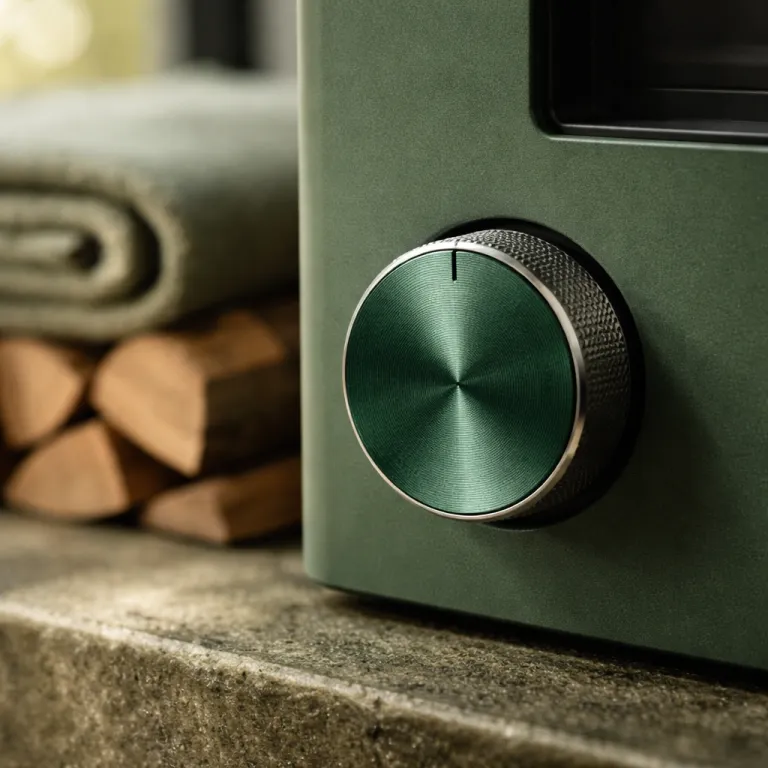
Smart electric fireplace wifi control as a daily comfort upgrade
Most people who say they only want a simple switch have never lived with a smart electric fireplace and Wi‑Fi control for a full winter. Once you have an electric fireplace with reliable app and voice features, the idea of crossing a cold room to tap a wall switch feels strangely old fashioned and slightly wasteful. The real question is not whether you need connected heating, but how well the product handles the boring everyday tasks that actually matter.
Start with the three daily wins that owners of smart electric fireplaces mention again and again in customer reviews. First, voice off from bed or sofa means you can shut the electric fireplace down without getting up, which sounds lazy until you have a sleeping child on your chest or a dog pinning your legs and you simply say “Alexa, turn off the fireplace” and the flames fade within seconds. Second, scheduled pre‑heat lets a smart heater warm a 15 to 20 square metre bedroom before you wake, using a programmable thermostat in the app instead of a crude high‑low rocker switch that blasts heat for too long.
Third, a flame‑only vacation mode on many Wi‑Fi enabled electric fireplaces gives you ambiance without heat when you are away, which is ideal for security and for people who like to simulate occupancy. Dynasty Cascade and Modern Flames Orion both offer smart control that separates flames and heater, so you can run realistic linear flames at a low energy draw while the main HVAC is off. This is where a connected fireplace setup stops being a gadget and becomes a quiet background tool that shapes how your home feels every evening.
Look closely at models like the Touchstone Sideline series, because they show how smart features and physical design now blend. A Sideline recessed wall installation in 50 to 60 inches gives you a clean linear look, while the Wi‑Fi module lets you adjust flame colour, ember bed and timer from your phone. The Sideline Elite and Sideline Infinity variants add multi‑colour flames and more granular thermostat control, but the real test is whether the app remains stable after two or three years of regular use.
On pricing, smart electric fireplaces now span a wide range, so you cannot assume a high price always means better electronics. Many best‑selling wall‑mount units sit in the mid range, where the regular price and the eventual sale price differ by 10 to 20 percent depending on the retailer. When you compare the regular price against the sale price, focus less on the headline discount and more on whether the Wi‑Fi module, thermostat and customer support track record justify a price high enough to live with for a decade.
For first‑time buyers, the vocabulary around fireplace insert, wall mount and recessed fireplace can be confusing, yet it matters for smart control. A recessed electric fireplace insert that sits flush in a stud wall often has better airflow and quieter fans than a basic wall‑mount unit, which affects how often you will tolerate running the heater on high. Linear fireplaces that stretch 100 to 150 centimetres across the wall create a strong visual focal point, but you still need to check that the companion app lets you cap the temperature so the room does not overshoot on mild evenings.
Accessories matter more than most spec sheets admit, especially remote controls and thermostats that work alongside Wi‑Fi. A well‑designed handheld remote with clear high‑low heat buttons and separate flame controls is still faster than digging through an app, and it becomes your backup when the home network is down. If you want to go deeper on trim options that finish a recessed wall opening cleanly, a detailed guide to top electric fireplace trim kits at this trim kit resource can help you match the frame to your wall colour and furniture.
When you read customer reviews for smart electric fireplaces, pay attention to long‑term comments rather than first‑week excitement. Owners who mention fan noise creeping up in year three, or flame LEDs dimming on one side of the log set, are giving you clues about build quality that no star rating alone can convey. The best‑selling models from brands like Dimplex, Touchstone and Duraflame tend to have more detailed customer reviews, which makes it easier to separate genuine reliability from early hype.
Scenes, schedules and why “just a switch” undersells smart control
The biggest misunderstanding about smart electric fireplace Wi‑Fi control is that it is only about using your phone as a fancy remote. In reality, the real power comes from scenes and routines, where your electric fireplace becomes one part of a wider smart home script that runs without you thinking about it. Once you have lived with a bedtime scene that dims the lights, lowers the thermostat and turns the fireplace flames to a low ember mode automatically, a regular on‑off switch feels like a blunt instrument.
Take a typical suburban living room with a 50‑inch wall‑mount electric fireplace under a television. With a smart electric unit tied into Alexa or Google Home, you can create a “movie night” scene that sets the flames to a low orange, switches the heater to low or off, closes smart blinds and drops the main lighting to 20 percent, all from one voice command. That is not tech for tech’s sake, it is ergonomic design that reduces the number of small tasks you juggle every evening.
Scheduling is where connected fireplaces quietly save both energy and annoyance. Instead of leaving a heater on high because you fear coming back to a cold room, you can program a Sideline Elite or similar recessed fireplace insert to pre‑heat the space for 30 minutes before you usually sit down. Many Wi‑Fi enabled electric fireplaces let you set different schedules for weekdays and weekends, which mirrors how programmable thermostats changed central heating habits years ago.
For bedrooms and home offices, a smart electric fireplace with precise thermostat control can act as a zone heater that respects your routine. You might set a linear recessed wall unit to hold 20 degrees Celsius from 06:30 to 08:00, then drop to flame‑only while you are out, and finally ramp back to 21 degrees from 19:00 to 22:00. That pattern uses less energy than a regular‑price space heater left on high‑low manual control, and it feels more comfortable because the temperature swings are smaller.
Remote controls and thermostats remain central accessories even when Wi‑Fi is present, and a universal remote can be a smart hedge against app changes. Many homeowners pair their smart electric fireplaces with a universal remote system that consolidates television, soundbar and fireplace insert control into one handset, which reduces clutter on the coffee table. A detailed tutorial on how to enhance your electric fireplace experience with a universal remote control at this universal remote guide walks through pairing steps and common pitfalls.
Scene integration also changes how you think about safety and absence. A vacation scene can set your sided electric fireplace to run flames‑only for short windows in the evening, mimicking occupancy without the risk of leaving a heater on in an empty house. Because smart electric fireplaces report their status back to the app, you can check from the airport whether the unit is off, instead of wondering if you flipped the switch in the rush to leave.
Critics of smart electric control often point to latency and reliability, and they are right to be cautious. Some budget electric fireplaces with Wi‑Fi enabled stickers bolt on a weak 2.4 GHz module and a clumsy app, leading to commands that take 10 to 15 seconds to register or fail entirely when the router reboots. When you read customer reviews, look for mentions of stable connections and quick response times over months, not just the first weekend after installation.
Price structures in this category can be confusing, because retailers often show a regular price crossed out next to a sale price that looks tempting. Instead of focusing on the price‑high versus price‑low dance, compare what you actually get in terms of app quality, firmware update history and customer support responsiveness. A mid‑range smart electric fireplace with solid software and responsive customer support is usually a better buy than a high‑price flagship that ships with a half‑baked app and no clear update path.
Safety, reliability and the lessons from bad smart implementations
Smart electric fireplace Wi‑Fi control is not automatically safer, but it can be when done properly. The GoveeLife recall for certain smart space heaters after UL 1278 non‑compliance issues was a sharp reminder that wireless control without robust safety design is a liability, not a feature. According to the U.S. Consumer Product Safety Commission recall notice for those heaters, inadequate internal spacing and construction could lead to overheating, which is why you want smart features layered on top of solid thermal protection, tip‑over sensors where relevant and clear certification from recognised labs.
Some of the better smart electric fireplaces now integrate occupancy sensors or tie into external motion detectors, so the heater can shut down automatically when a room is empty for a set period. That is a meaningful upgrade over a regular wall switch, which has no idea whether you have fallen asleep on the sofa or left the house in a hurry. In practical terms, it means fewer hours of wasted high‑low heating and a lower risk of running a unit unattended for long stretches.
Look at models like the Modern Flames Orion series, which combine linear design with smart electric control and robust safety logic. These fireplaces allow you to cap the maximum heater output in the app, so even if someone shouts a voice command for “high heat” the unit respects the limit you set earlier. That kind of thoughtful constraint is what separates a mature smart electric fireplace from a basic electric heater with a Wi‑Fi dongle glued on.
Reliability over time is where many early smart electric fireplaces stumbled, especially around app updates and cloud services. I have seen units where a forced app redesign broke pairing, leaving owners with a beautiful recessed fireplace that only worked from the front panel until a patch arrived weeks later. When you read customer reviews, pay attention to whether people mention stable operation across phone upgrades and router changes, because that is the reality your fireplace will live in.
Brands like Dimplex, Touchstone and Real Flame have generally treated their smart electric lines as long‑term products rather than disposable gadgets. A Dimplex Revillusion insert with an optional smart module, for example, still gives you full local control from the remote and front panel even if the Wi‑Fi connection drops. That layered approach means you can enjoy smart scenes and app control when everything is working, without losing basic heat and flame control when the network misbehaves.
Accessories again play a quiet but important role in safety and usability. A well‑calibrated thermostat, whether built into the fireplace insert or mounted on the wall, prevents the common problem of overheating small rooms when the heater sits under a television alcove. For homeowners invested in Dimplex systems, a detailed guide on how to enhance your home with a Dimplex electric fireplace remote at this Dimplex remote resource explains pairing, range limits and how to avoid interference with other remotes.
On the pricing side, safety features and smart control do add cost, but not always as much as you might think. The gap between the regular price of a basic manual electric fireplace and the price regular for a smart electric model of similar size has narrowed as Wi‑Fi modules have become commodity components. When you see a very high price for a smart linear fireplace, check whether you are paying for genuine engineering like dual‑sided smart glass and better flame engines, or just for cosmetic extras that do little for safety or reliability.
There is also a growing niche of sided electric fireplaces, including three‑sided and see‑through models, that bring smart control into more complex installations. These units often sit at the top of the price‑high spectrum because of their glass and framing requirements, but they can transform open‑plan spaces when paired with thoughtful scenes and schedules. The key is to treat smart control as part of a safety and comfort system, not as a toy you show off once and then ignore.
When a “dumb” fireplace is enough – and how to buy without regret
Not every home needs a fully fledged smart electric fireplace Wi‑Fi control setup, and it is worth being honest about that. If you are fitting a small electric fireplace in a guest room that sees occasional use, a simple remote‑controlled unit with a clear thermostat and timer may be entirely adequate. In that scenario, paying a high price premium for app control you will rarely open makes little sense.
Where the calculus shifts is in main living rooms, master bedrooms and home offices where the fireplace runs several hours a day. In those spaces, the ability to integrate your electric fireplace into routines, voice control and occupancy‑based safety can change how you use the room. A best‑selling Sideline Elite or similar recessed wall fireplace that you actually use every evening will justify its smart features far more than a cheaper manual unit that annoys you into staying off.
Size and format should be your first filters before you even think about apps. Measure the wall carefully and decide whether you want a 36, 50 or 60‑inch linear look, a more traditional fireplace insert for an existing opening, or a compact wall‑mount unit under a television. Once you know the physical constraints, you can compare electric fireplaces on their connected capabilities, flame realism and heat output without getting lost in an endless product scroll.
When comparing models, ignore marketing phrases and go straight to the details that survive five winters. Look at whether the unit uses infrared or fan‑forced heat, because infrared can feel more comfortable in drafty rooms while fan‑forced heaters are fine for smaller, sealed spaces. Check the flame engine too, since some linear fireplaces offer multi‑colour flames and ember beds that remain convincing at low brightness, which matters more than dramatic showroom settings you will never use.
Price comparisons should be grounded in how you will actually live with the fireplace. A modest increase over the regular price to get Wi‑Fi control, better customer support and a proven app is often money well spent, while chasing the absolute sale‑price low can land you with a noisy fan and a clunky interface. Think in terms of cost per winter rather than sticker shock, because an electric fireplace is a ten‑year companion, not a one‑season gadget.
For many buyers, the most useful information still comes from detailed customer reviews rather than glossy brochures. Look for patterns in what people praise and complain about, such as thermostat accuracy, app stability, fan noise and how responsive customer support was when something went wrong. A four‑star average with honest criticism about minor issues is often more trustworthy than a wall of five‑star raves that say little beyond “looks great”.
There is a legitimate counter‑argument for keeping things simple in certain cases. If you have unreliable broadband, or you are outfitting a rental where guests constantly change Wi‑Fi passwords and lose remotes, a robust manual electric fireplace with a basic remote may be the least stressful option. In those contexts, the elegance lies in a unit that always turns on when you press the button, not in a cloud service that might be sunset in a few years.
Ultimately, the 44 percent of electric fireplace owners already using smart controls are not all tech enthusiasts chasing the latest gadget. Industry surveys of connected heating adoption suggest that many are simply people who wanted to stop crossing a dark room to flip a switch, who appreciated that their fireplace could pre‑heat a space before they woke, and who liked the reassurance of checking status from their phone when away. What the remaining 56 percent are missing is not a new toy, but a quieter, more adaptable way of living with heat and light that respects both their time and their energy bills.
Key figures on smart electric fireplaces and connected heating
- Roughly 44 percent of households with electric fireplaces now use smart connected units, according to aggregated consumer surveys from North American and European heating markets, reflecting how quickly Wi‑Fi enabled heating has moved from niche to mainstream in just a few product generations.
- Market analyses of electric fireplaces show that smart models have grown from a small fraction of best‑selling units to a significant share of linear and recessed wall installations, especially in the 100 to 150 centimetre size range.
- Safety investigations following the GoveeLife smart heater recall, documented in U.S. Consumer Product Safety Commission reports, highlighted that wireless control without robust UL 1278 compliant design can increase risk, which has pushed reputable brands to strengthen thermal cut‑offs and software safeguards in their smart electric lines.
- Consumer surveys of customer reviews for electric fireplaces indicate that owners value app stability and thermostat accuracy as much as flame realism, with many willing to pay a moderate premium over the regular price for reliable smart features and responsive customer support.
- Energy modelling for zone heating suggests that using a smart electric fireplace with schedules and occupancy‑based control can cut supplemental heating runtime by double‑digit percentages compared with manual high‑low operation, especially in bedrooms and home offices.