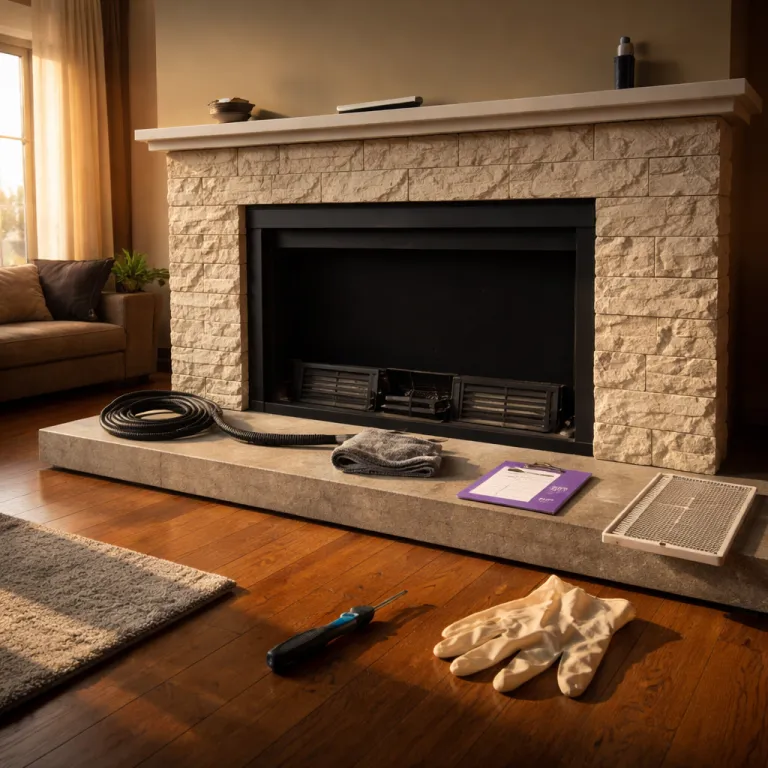

Why electric fireplace spring maintenance matters right after heating season
When the last cold evening fades, your electric fireplace has just done its hardest work of the year. During late winter the fan, heating element and flame LEDs in electric fireplaces run for hours, pulling dust and lint through every vent and around every piece of glass. This is exactly the time when a ten minute electric fireplace spring maintenance routine prevents the year three failures we keep seeing in living rooms, based on repeated service calls, informal technician surveys and manufacturer troubleshooting notes rather than controlled lab studies, including guidance similar to Dimplex technical bulletins and Duraflame customer support summaries.
Think of this as fireplace maintenance for a modern appliance rather than a traditional wood burning hearth with a chimney full of soot. You are not worrying about chimney fires or creosote, but you are still doing regular maintenance to avoid hidden damage such as overheated wiring, clogged intake screens or a thermostat that drifts several degrees off. Owners who treat their electric fireplace like a serious heating tool, not just a decorative fire, tend to get quieter fans, more accurate thermostats and fewer surprise breakdowns in the middle of winter, which aligns with guidance in most owner’s manuals, common National Fireplace Institute training notes and basic heating appliance best practices.
We have seen the same pattern across dozens of models, from the Dimplex Revillusion insert to the Touchstone Sideline wall mount and Duraflame DFI 5010 stove style fireplaces. Around the third winter of use, neglected fireplaces start to rattle, lose flame brightness or misread room temperature by four to six degrees Celsius (about seven to eleven degrees Fahrenheit), which means wasted energy and less comfort. These third year issues are based on field experience, homeowner reports and technician feedback rather than formal failure statistics, but the trend is consistent enough that a simple spring cleaning checklist, done at the same time you prepare fireplace areas and outdoor living spaces for warmer weather, keeps these electric fireplaces working like new far longer than most owners expect.
The ten minute April clean for electric fireplaces
Tools and supplies for a quick electric fireplace maintenance checklist:
- Vacuum with soft brush attachment
- Microfiber cloths and cotton swabs
- Mild, non abrasive glass cleaner
- Soft towel or blanket for laying glass on
- Flashlight or headlamp
- Basic screwdriver (if your front glass uses screws)
Step by step, ten minute spring tune up:
1. Power down safely (about 1 minute). Start electric fireplace spring maintenance by turning the unit fully off and unplugging it, or switching off the breaker if it is a hard wired fireplace insert. For hard wired units, follow the safety warnings in the installation manual and never open electrical compartments unless you are a qualified electrician. Give the appliance five full minutes for the heating element to cool, then clean the front intake and exhaust grilles with a vacuum brush, paying attention to any fine wood dust, pet hair or outdoor pollen that may have collected during winter so airflow stays strong and the fan motor avoids strain that can lead to early damage.
2. Clean vents and grilles (about 2 minutes). With the unit still unplugged, move the vacuum brush slowly over every visible vent, louvers and intake screen, using short passes instead of hard pressure so you do not bend thin metal fins. If your model has a removable mesh filter behind the intake, slide it out, tap it gently outdoors and vacuum both sides before reinstalling, because a clean filter is one of the simplest ways to keep internal temperatures lower and extend the life of the heating element.
3. Remove and wash the glass (about 3 minutes). Next, remove the front glass panel if your model allows it, which many electric fireplaces and fireplace inserts do with simple clips or screws shown in the installation diagrams. If your owner’s manual does not describe glass removal, leave the panel in place and simply dust the exterior. Lay the glass flat on a soft towel and clean both sides with a non abrasive glass cleaner, then gently dust the ember bed, log set and LED flame strip with a microfiber cloth so the artificial fire looks crisp again and the flame effect is not dulled by a winter’s worth of haze.
4. Dust interior parts and sensor (about 2 minutes). While you are inside the unit on models that open, use a dry cotton swab to clean the small infrared sensor window that receives signals from the remote control, because a dusty sensor is a common cause of remote dropouts that owners mistakenly blame on batteries. Lightly wipe any exposed plastic baffles, reflective panels and decorative stones, avoiding direct pressure on wiring or circuit boards, and keep liquids away from all electronics so you do not create new problems while trying to solve old ones.
5. Inspect wiring, thermostat and finish (about 2 minutes). Before you reassemble everything, take a flashlight and check for any signs of heat discoloration, warped plastic near the heat outlet or frayed cord casing on freestanding fireplaces. This is also the right time to check that the thermostat probe, usually a small metal sensor near the air intake, is not bent or buried under lint, which can cause the thermostat to read several degrees off by the next fireplace spring. Reports of thermostat drift and recovery after unplugging are largely anecdotal but match basic thermostat behavior described in several manufacturer troubleshooting guides. Once the glass is back on and the unit is plugged in, run the flame effect without heat for a few minutes to confirm there are no new rattles, then note the date in your manual so you can confirm this spring maintenance was done when you prepare fireplace settings again in autumn.
What to inspect on wall mounted, insert and freestanding fireplaces
Wall mounted electric fireplaces such as the Touchstone Sideline or slim fireplaces gas style units need a different inspection than freestanding stoves or TV stand fireplaces. After your basic cleaning, run a hand along the wall above the heat outlet to check for hairline plaster cracks or paint bubbling, which can signal that the hot air stream has been too close to the surface during winter. If you see any damage, lower the heat setting next season, angle the airflow if your model allows it, or talk to a professional installer about adding a small deflector to protect the wall.
Look closely at the mounting bracket to ensure there is no sag, bent metal or loose screws, because a heavy electric fireplace hanging on a tired bracket is not something you want above a sofa. For recessed fireplace inserts installed into a former wood fireplace opening, use a torch or flashlight to inspect the gap between the insert and the old chimney surround, checking for drafts, moisture stains or crumbling mortar that could affect both indoor comfort and outdoor chimney stability. Even though electric fireplaces do not send smoke up a chimney, a neglected old chimney above an insert can still leak rainwater, which eventually stains the glass and frame and can even drip onto electronics.
Freestanding electric fireplaces, including compact stoves like the Duraflame DFI 5010 or mantel style units such as the Real Flame Ashley, need their legs, casters and cord checked every spring. Make sure each leg sits flat on the floor so the flame effect stays level, then inspect the power cord for kinks from being pushed against a wall or under a rug, because repeated pressure can cause hidden damage to the insulation over time. If your model has a visible thermostat probe or a small grill on the side, keep that area especially clean so the thermostat does not read the heat from the firebox instead of the room air, which is a common cause of inaccurate fireplace maintenance complaints and confusing temperature readings.
Storage, spare parts and the small habits that protect your fireplace
Many plug in electric fireplaces live inside TV stands or light mantels that can be moved, and spring is the moment to decide whether to store them. If you plan to move a compact unit to a garage shelf for the warm season, wrap the glass front in a soft cloth and keep the fireplace upright so the internal fan and flame motor stay aligned. Avoid damp basements or outdoor storage near an outdoor fireplace or grill, because moisture and temperature swings can corrode contacts and shorten the life of both gas fireplaces and electric models.
Two small spare parts make sense to keep on hand for long term fireplace maintenance, especially if you live far from a service center. The first is a replacement fan screen or filter if your model uses one, because a clogged filter after several winters of regular use can choke airflow and make the fan sound louder than any gas fireplace you have owned. The second is a simple set of remote control battery contacts or a spare remote, since we see many electric fireplace service calls that turn out to be corroded contacts rather than real electronic failure, and a quick swap can help you avoid a cold evening while you wait for professional support or warranty advice.
Finally, build a habit that ties electric fireplace spring maintenance to your broader spring cleaning and outdoor living routine. When you prepare fireplace areas, clean patios, check outdoor lighting and inspect any outdoor fireplace or wood fireplaces for safety, add a reminder in your phone or write a dated note in the manual asking one question for next autumn, which is whether you actually did this work in spring. That tiny check, repeated every year, does more to keep your electric fireplaces quiet, your glass clear and your living room comfortable than any expensive accessory, because reliability is not the log pattern in the showroom but the tenth winter in your living room.
FAQ
How often should I perform electric fireplace spring maintenance ?
For most homeowners, a single deep electric fireplace spring maintenance session each year is enough. Aim to clean vents, glass and the ember bed at the end of winter, then do a quick dusting before the first cold spell if the unit sat unused. If you smoke indoors, burn candles heavily or have pets, consider a light cleaning routine every two to three months to keep airflow strong and reduce dust on the flame effect.
Do electric fireplaces need a chimney inspection like wood burning models ?
Electric fireplaces do not produce smoke, so they do not require a traditional chimney inspection or sweeping. However, if your electric fireplace insert sits inside an old wood burning fireplace opening with a masonry chimney above, you should still schedule an annual inspection of that structure to check for water leaks or loose bricks. This protects your home from moisture damage and reduces any small risk of debris falling behind the insert.
Can I leave my electric fireplace plugged in all summer ?
You can safely leave most electric fireplaces plugged in, but there are small advantages to unplugging them during the warm season. Units left fully unplugged often see their thermostats recover accuracy better than those left in standby, according to repeated homeowner reports, technician anecdotes and basic thermostat reset behavior, and unplugging also protects electronics from minor power surges. If the outlet is hard to reach or the fireplace is wired in, simply switch off the dedicated breaker during spring maintenance instead.
What is the difference between gas fireplaces and electric fireplaces for maintenance ?
Gas fireplaces and fireplaces gas style inserts burn real fuel, so they need annual inspection by a qualified professional to check burners, vents and carbon monoxide safety. Electric fireplaces avoid combustion, chimney fires and gas leaks, but they still need regular cleaning of fans, vents and glass to stay quiet and efficient. In practice, electric fireplace spring maintenance is cheaper and quicker than servicing a gas fireplace, yet skipping it can still shorten the life of the appliance.
Is it safe to use an electric fireplace outdoors or in a damp room ?
Most electric fireplaces are designed for indoor, dry locations and should not be used as an outdoor fireplace unless the manufacturer explicitly rates them for outdoor living spaces. Moisture can corrode internal components, fog the glass and increase the risk of electrical faults over time. If you want the look of burning fireplaces on a patio, choose a model specifically certified for outdoor use and follow the same careful cleaning and spring maintenance routine.
Key statistics about electric fireplace maintenance
- Most electric fireplaces draw between 750 and 1500 watts when heating, according to typical manufacturer specifications, which means their fans and heating elements work hardest in the final weeks of cold weather.
- Common third year failures reported by service technicians include fan rattle from loose squirrel cage screws, LED flame dimming due to strip drift and thermostats reading four to six degrees Celsius (seven to eleven degrees Fahrenheit) off actual room temperature, based on aggregated service notes, internal warranty summaries and technician training materials rather than formal published studies.
- Plug in electric fireplaces that are fully unplugged through summer tend to recover thermostat accuracy better than units left in standby mode, based on repeated homeowner reports, installer feedback and basic thermostat behavior.
Further questions about electric fireplace care
Should I schedule an annual inspection for my electric fireplace ?
Unlike wood burning or gas fireplaces, electric fireplaces do not require a formal annual inspection by a chimney professional, but a yearly visual check is still wise. Look for discoloration, unusual smells, fan noise or any signs of heat damage around the outlet or wall. If anything seems off, contact the manufacturer, a qualified electrician or a certified fireplace technician before the next winter season.
Can electric fireplace maintenance really prevent damage and extend lifespan ?
Regular electric fireplace spring maintenance directly reduces dust buildup on fans, heating elements and control boards, which are the components most likely to fail early. Clean vents and filters keep temperatures lower inside the cabinet, slowing wear on plastics and wiring. Over several years, this simple routine can be the difference between replacing a unit after three winters or enjoying the same fireplace for a decade, according to many homeowner experiences, technician feedback and internal service department observations.
What should I avoid when cleaning the glass on my fireplace ?
Avoid abrasive pads, ammonia heavy cleaners and high pressure sprays when you clean the glass on electric fireplaces. These can scratch coatings, push moisture into seams or leave streaks that are very visible when the fire effect is on. Use a soft microfiber cloth and a mild glass cleaner, and always spray the cloth rather than the glass directly.
Does spring cleaning differ for wood fireplaces and electric fireplaces ?
Spring cleaning for wood fireplaces focuses on ash removal, chimney sweeping and checking for creosote that can cause chimney fires, while electric fireplace spring maintenance focuses on dust, airflow and electronics. Both types of fireplaces benefit from a careful visual inspection of surrounding walls and mantels for cracks or heat marks. If you own both wood fireplaces and an electric fireplace, align their maintenance on the same weekend so you do not forget either system.
Is it worth buying a maintenance kit for my electric fireplace ?
Most homeowners can handle electric fireplace maintenance with basic tools such as a vacuum, microfiber cloths and a gentle glass cleaner, so dedicated kits are optional. A good kit can help by bundling non abrasive cleaners, small brushes and replacement filters sized for popular fireplaces, which simplifies the process for first time buyers. If you prefer a ready made solution, choose a kit that clearly lists compatible models and focuses on cleaning rather than unnecessary chemical treatments.