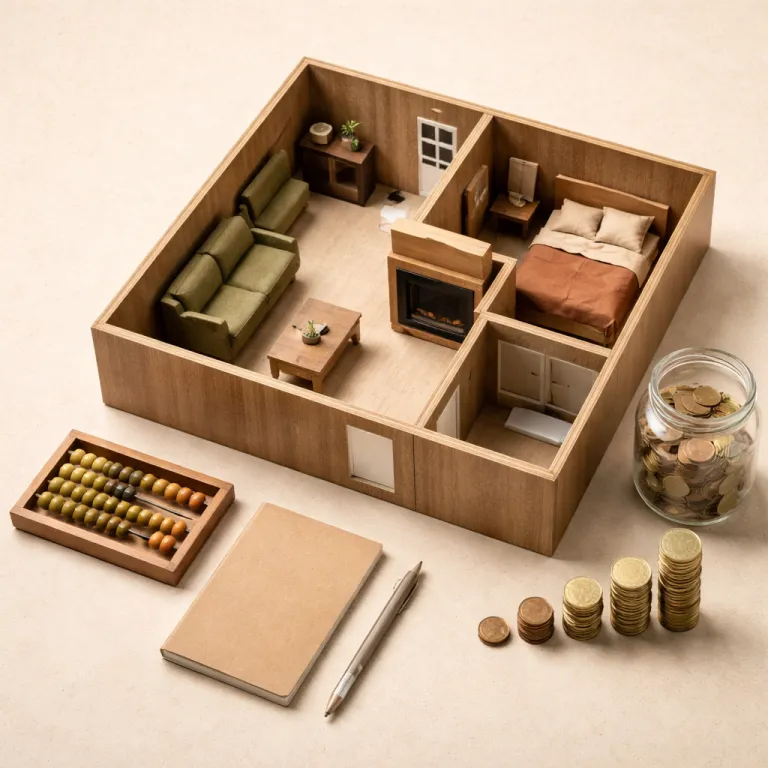
How electric fireplace zone heating works in a small apartment
Electric fireplace zone heating in an apartment is less about décor and more about control. When you use an electric fireplace as a targeted heater in one room, you shift from warming every square metre to warming only the space you actually occupy for hours. That simple change in heating strategy lets renters use electricity more intelligently and often trim the bill without sacrificing comfort.
Think of the electric fireplace as a portable heating unit with a realistic flame layered on top, not as a decorative toy that just glows in the corner. The heating element, fan and thermostat inside most electric fireplaces work like a compact space heater, but the product usually adds better safety features, more refined heat settings and a flame effect that makes the living room feel like a traditional hearth. When you read the specification sheet carefully, you will see the same 1500 watt power rating and similar heat output claims that appear on standalone heater models, yet the fireplace format changes how customers actually use the appliance in a comfort zone they enjoy spending time in.
Zone heating means you deliberately lower the central thermostat for the whole apartment while using the electric fireplace to provide supplemental heat in a single room. In a typical one bedroom layout, that room is the living room where you watch television, work or relax for at least four hours each evening. By letting the rest of the apartment sit cooler while the fireplace unit keeps your main room warm, you reduce overall energy use even though one appliance is drawing full electric power.
Choosing the right heating capacity for your room size
The most common electric fireplaces for renters use a 1500 watt heater, which translates to roughly 1.5 kilowatt hours of electricity for every hour on the highest heat settings. In a well insulated apartment, that level of heat output is usually enough to warm a 18 to 23 square metre living room, but the real comfort you feel depends on ceiling height, window quality and how tightly the door closes between zones. If your room is larger, has big single glazed windows or an open archway to the kitchen, you should treat the fireplace as supplemental heat rather than the only heating source.
Infrared electric fireplace units, such as the Duraflame DFI-5010 series, radiate heat directly to people and objects, so they can make a seating area feel warmer even when the air temperature in the room has not risen much. Fan forced electric fireplaces push heated air across the space more quickly, which helps if you come home to a cold apartment and want fast heating in the living room before bed. For renters who sit in one comfort zone on the sofa or at a desk, infrared models often feel more energy efficient because they focus heat where your body is, while fan forced heaters are better when you move between rooms frequently.
Pay attention to the stated square metre coverage on every fireplace product page, but treat those numbers as optimistic marketing rather than hard engineering. A compact fireplace insert rated for 37 square metres may struggle in a drafty corner room, while a larger wall mounted unit with strong power and good safety features can quietly handle the same space. If you are unsure, size up slightly on heat output, then rely on adjustable heat settings and a built in thermostat to avoid overheating the apartment and tripping overheat protection circuits.
For renters considering how airflow affects heating, it is worth reading about how blower fans improve warmth distribution in stoves and similar appliances, which is explained clearly in this guide on enhancing your heating experience with a wood stove blower fan. While electric fireplaces do not burn wood, the same principle applies, because a stronger fan can move heat away from the ember bed and into the wider room more effectively. That airflow detail matters more in small apartments where every watt of power and every degree of temperature change shows up on the electricity bill.
Energy costs, thermostat setbacks and when zone heating pays off
A standard 1500 watt electric fireplace on high uses about 1.5 kilowatt hours of electricity per hour, which at a mid range tariff can cost roughly the price of a modest coffee for an evening of use. If you run the heater for four hours each night in the living room, you might spend the equivalent of several coffees per week, but the key question is whether you are lowering the central thermostat enough to offset that extra draw. Zone heating only saves money when the rest of the apartment is allowed to stay cooler while one room remains warm.
In a one bedroom layout with a single central thermostat in the hallway, the most effective strategy is to drop that thermostat by about three degrees Celsius and then rely on the electric fireplace to maintain comfort in the main room. For example, if you usually keep the whole apartment at 21 degrees, try setting the central system to 17 or 18 degrees and then run the fireplace heater from 18:00 to 22:00 while you relax in the living room. Over a full billing cycle, you can then read the electricity statement and compare usage between weeks when you used zone heating and weeks when you did not, which gives real data instead of guesswork.
Electric fireplaces are often more cost effective than gas fireplaces or portable gas heaters for renters, because you avoid fixed fuel contracts, venting work and landlord negotiations about combustion appliances. You also gain precise control over heat settings, so you can run the unit on low for gentle supplemental heat or switch to high only on the coldest nights. For a deeper breakdown of how much heat an electric fireplace can realistically provide, and how that compares with other heating options, it is worth consulting a detailed analysis on whether electric fireplaces can provide effective heating, which walks through the numbers in plain language.
When you calculate payback, think in seasons rather than weeks, because the purchase price of the product spreads across many evenings of use. A mid range electric fireplace under your budget might cost the equivalent of a few months of streaming subscriptions, yet if zone heating trims even a small percentage from each winter bill, the unit can effectively pay for itself within a couple of years. For renters who move frequently, there is also residual value, because portable electric fireplaces with realistic flame effects and strong safety features resell well on local marketplaces when you change apartments.
Infrared vs fan forced, safety features and apartment specific pitfalls
Infrared electric fireplaces shine when you mostly stay put, because they warm your skin and nearby furniture directly, which makes a reading chair or sofa feel like a personal comfort zone. Fan forced fireplaces, including many wall mounted units such as the Touchstone Sideline series, excel at pushing warm air across the entire room quickly, which suits open plan living rooms where heat needs to travel further. Both types rely on the same electricity and similar power ratings, so the choice is less about raw heat output and more about how you actually live in the apartment each evening.
Safety should never be an afterthought when you bring any heater into a small space, especially one that mimics a traditional wood burning hearth with a bright flame effect. Look for electric fireplaces with clear safety features such as overheat protection, cool touch glass, tip over switches on freestanding models and third party certifications like CSA or UL, because those details matter more than an extra decorative ember bed pattern. Many modern electric fireplace inserts and mantels also include child lock functions on the remote control, which helps prevent curious hands from changing heat settings or turning the unit on when you are not in the room.
Apartment wiring adds another layer of complexity, because a 1500 watt heater draws a significant share of a standard 15 amp circuit. Avoid plugging the fireplace into the same outlet or circuit as the refrigerator, microwave or other high power appliances, since that combination can trip breakers or cause silent nuisance shutoffs that leave you without heat. If you ever notice lights dimming when the heater cycles on, or if the flame and led lights flicker when the fan starts, treat that as a warning sign and either move the unit to a dedicated circuit or consult building maintenance.
Landlord rules often restrict permanent changes, which is why portable electric fireplaces and slim wall mounted models are so popular with renters. Unlike gas fireplaces or fixed wood burning stoves, these electric units require no venting, no chimney and no structural work, so they usually qualify as simple appliances rather than fixtures. To understand how realistic flame technology has evolved and which electric fireplaces look convincing from the sofa rather than just in the showroom, you can read a detailed comparison of the most realistic electric fireplaces judged from the couch, which focuses on long term living room use rather than quick impressions.
Models, features and what actually matters after three winters
Not all electric fireplaces age gracefully, and the differences only appear after years of daily heating in a real apartment. In our long term observations, the Dimplex Revillusion series stands out for a deep ember bed and realistic flame, but some customers report that led lights can dim slightly over time, which softens the effect in bright rooms. The Touchstone Sideline wall mounted units offer strong heat output and a clean look, yet their fan forced heaters can develop noticeable noise by the third winter if filters are never cleaned and vents stay dusty.
Budget friendly electric fireplace inserts often deliver solid supplemental heat but cut corners on materials, which shows up as rattling panels, less convincing flame patterns and basic remote control designs with limited heat settings. Real Flame Ashley style mantels bring a more traditional furniture presence, pairing wood finishes with electric fireplaces that slot in like a compact gas fireplaces alternative, yet the larger frames take up valuable floor space in a small living room. When you evaluate any product, focus less on the showroom flame and more on the heater performance, safety features, ease of cleaning and how the unit will fit into your daily routine for years.
For renters, portability and flexibility matter as much as raw heating power, because you may move the fireplace from one room to another or to a new apartment entirely. A freestanding electric fireplace with a solid heater, adjustable heat output and reliable overheat protection can follow you from a studio to a one bedroom without new installation work. Wall mounted fireplaces look sleek and save floor space, but they require careful measuring, landlord approval for mounting hardware and a plan for hiding cables so the living room does not end up cluttered.
Whatever model you choose, treat the electric fireplace as a serious heater that happens to look like a traditional hearth, not as a decorative lamp with a flame effect. Use the thermostat, timer and multiple heat settings to match output to the room size, and keep the glass, vents and ember bed clean so the unit runs efficiently. In the end, what matters is not the log pattern in the showroom, but the tenth winter in your living room.
FAQ
How big a room can a 1500 watt electric fireplace heat in an apartment ?
A typical 1500 watt electric fireplace can comfortably provide supplemental heat for about 18 to 23 square metres in a reasonably insulated apartment. In a smaller, well sealed room, it may handle primary heating during evening hours, especially if doors stay closed. In larger or drafty rooms, treat it as zone heating that takes the chill off your main living area rather than replacing the central system entirely.
Is an electric fireplace cheaper to run than central heating for renters ?
An electric fireplace can be cheaper to run when you use it for zone heating and lower the central thermostat for the rest of the apartment. If you keep the whole home at the same temperature and simply add the fireplace on top, your electricity use will rise instead of fall. The savings come from heating only the room you occupy for several hours, while allowing bedrooms and hallways to stay cooler.
Are infrared electric fireplaces better than fan forced models for small spaces ?
Infrared electric fireplaces are often better when you sit in one place, because they warm your body and nearby objects directly without needing to raise the air temperature as much. Fan forced models are better when you want to warm the entire room quickly or move around the apartment more. Many renters choose infrared for a reading chair or sofa zone and fan forced heaters for open plan living rooms.
Can I install a wall mounted electric fireplace in a rental apartment ?
Most wall mounted electric fireplaces only need standard brackets and a nearby outlet, so they are technically suitable for rentals. However, you must check your lease and ask the landlord, because drilling into walls or adding new circuits may be restricted. If mounting is not allowed, a freestanding unit or a compact fireplace insert placed in an existing alcove offers similar heat and flame effects without permanent changes.
What safety features should I look for in an electric fireplace for an apartment ?
For apartment use, prioritise electric fireplaces with overheat protection, cool touch glass, a stable base or secure wall mounting and clear third party safety certifications. A thermostat, timer and child lock on the remote control also help prevent accidental overheating or unsupervised use. These safety features matter more in small spaces where furniture, curtains and people sit close to the heater.