Why every living room is starting to look like a lobby
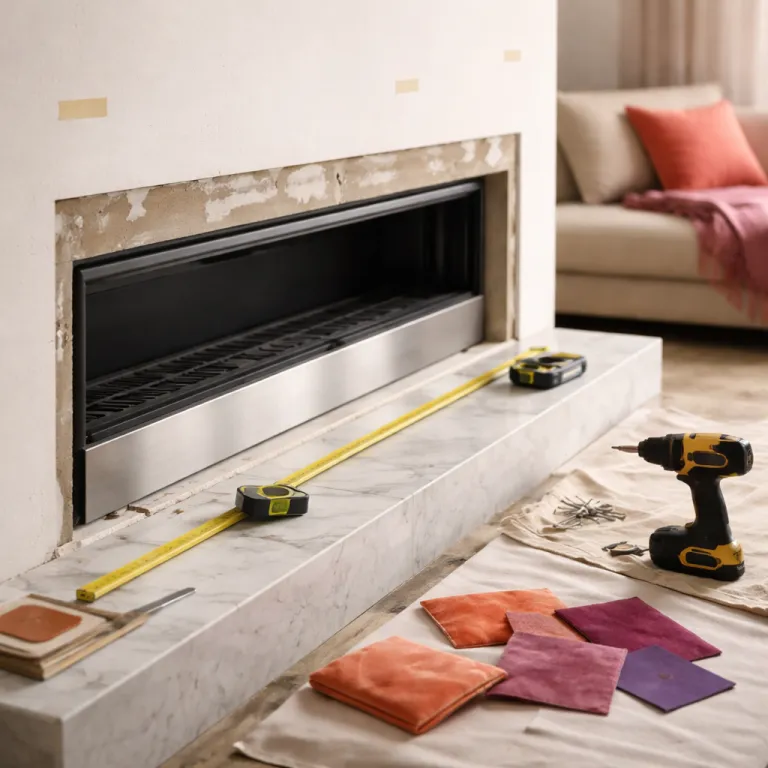
Walk into a new build today and you will probably see the same long black rectangle of flames set into a vast white fireplace wall. The linear electric fireplace design living room trend, especially in zero clearance media walls, has jumped from boutique hotels into suburban semis so fast that many homeowners barely stop to view the details before signing off on plans. The result is a wave of living rooms that feel more like branded lounges than personal spaces.
Designers love a modern linear fireplace because it is easy to draw, easy to specify, and easy to sell as a clean modern statement. Retail showrooms line up electric fireplaces in 50, 60, 72 and even 100 inch widths, with tags that highlight a tempting starting price and promises of free shipping rather than how the flames will actually feel in your room. When every wall fireplace is treated as a plug and play graphic element, the subtle relationship between fire, furniture and people gets flattened into a corporate template.
Zero clearance simply means the electric fireplace can be built into a stud wall without the clearances that a gas fireplace or wood burner would need. That technical advantage is real, but it has encouraged builders to stretch linear electric units across entire walls, ignoring the old proportion rule that the fireplace width should rarely exceed one third of the wall in a typical living room. Once you cross that line in a modest room, the fireplace electric feature stops anchoring the space and starts dominating it like a hotel check in desk.
I see this most clearly in narrow townhouses where a 72 inch linear electric unit is squeezed into a 3.5 metre wall. The living room furniture ends up pushed to the edges, leaving a strip of floor in front of the flames that feels more like a corridor than a place to sit and talk. In those spaces, a smaller modern fireplace or even a portrait style built electric insert would create a more human scale focal point.
There is also a sameness problem that no amount of modern flames colour options can fully solve. Whether the badge says Dimplex, Modern Flames, or a budget brand, the basic recipe of crushed glass, blue orange flames and a TV floating above repeats from condo to condo. When you have seen the same linear fireplace ideas in three different chain restaurants, it is hard to feel that your own fireplace modern feature wall is truly yours.
Manufacturers have leaned into this hotel aesthetic with names like Flames Orion or Dimplex Ignite, emphasising spectacle over intimacy. These electric fireplaces look dramatic in a double height lobby, but in a 20 square metre living room they can feel oddly remote, like a view into someone else’s space. A gas fireplace or compact fireplace Napoleon insert, correctly sized, often gives a more convincing sense of depth and warmth even if you run it mostly for ambiance.
Cost structures also nudge you toward bigger and flatter. Once a builder has priced the framing, wiring and finishing for a fireplace wall, the marginal price jump from a 50 inch to a 72 inch linear electric unit can look small on paper. Yet that details starting line on the quote rarely reflects the long term cost of living with a fireplace that dictates every sofa position and artwork choice for the next decade.
Homeowners chasing a modern living room often assume that more width equals more luxury. In practice, the best fireplace ideas start from how you actually use the room, how close you sit, what you want to look at during a quiet evening, and how the flames relate to daylight and circulation. A thoughtful electric fireplace design that respects those details will age far better than the biggest rectangle your wall can physically hold.
When a linear electric fireplace genuinely works
There are rooms where the linear electric fireplace design living room formula earns its keep. In open plan spaces over about 40 square metres with high ceilings and minimal decor, a wide linear fireplace can visually stretch the wall and balance a large sectional sofa. Here the electric unit reads as a horizontal architectural element rather than a television stand in disguise.
Think of a loft style apartment where the main living room, dining area and kitchen share one long exterior wall. A 60 or 72 inch linear electric fireplace built into a low fireplace wall can anchor the seating zone while leaving enough blank wall for art and shelving, so the flames become one layer in a larger composition. In that context, the modern fireplace language of clean glass, crushed stone and controlled flames feels appropriate rather than sterile.
Zero clearance construction is especially helpful in these modern rooms because you can frame the wall fireplace flush with the surrounding plasterboard. That lets you run a continuous ledge or bench under the electric fireplace, softening the corporate edge and giving people a place to sit or display objects. When the unit is carefully centred on the wall and aligned with the main sofa, the view details from every seat feel intentional instead of accidental.
Brands like Dimplex and Modern Flames have refined their linear electric offerings for exactly this kind of space. The Dimplex Ignite series, for example, offers relatively quiet fan forced heat and decent flame depth, though the fan can become more audible after a few winters of daily use. Modern Flames units often push brighter, more stylised flames, which can look striking in a gallery like room but may feel too intense in a snug cottage.
In these larger rooms, pairing the linear electric unit with a carefully proportioned TV can also work. The trick is to avoid the common mistake of stacking a huge screen directly above the electric fireplace without any breathing space, which turns the whole fireplace wall into a single glowing billboard. Instead, keep the TV width slightly narrower than the fireplace and separate them with at least 30 centimetres of solid wall so each element can stand on its own.
Wall mounted fireplaces with smart controls can help you fine tune this setup. A tested wall mounted electric fireplace suite such as the Flare Camino shows how a slim profile, adjustable flame colours and a modest frame can integrate into a media wall without overwhelming it, especially when the surrounding joinery is kept simple. When you read a detailed test of a wall mounted electric fireplace with a 2 kilowatt heater and multi colour fuel bed, pay close attention to comments about fan noise and app reliability rather than just the headline starting price.
Heat output is another reason linear electric fireplaces can make sense in big open rooms. Most electric fireplaces top out around 1.5 to 2 kilowatts, which is enough for zone heating a seating area but not a whole floor, so the wide format is really about spreading the visual flames rather than pumping more heat. In a large living room that already has underfloor heating or radiators, that balance of modest heat and expansive view can be exactly right.
Where linear shines, then, is in spaces that already feel a bit like hotel lobbies in the best sense. If your living room has generous proportions, tall windows, and a restrained modern palette, a linear fireplace can underline that architecture without stealing the show. The key is that the room leads and the fireplace follows, not the other way around.
When the linear look quietly sabotages a cozy room
Problems start when the linear electric fireplace design living room template is dropped into small or traditionally detailed rooms. In a 15 square metre sitting room with coving, panelled doors and a low ceiling, a 60 inch linear fireplace reads less like a hearth and more like a digital aquarium. The scale clash is immediate, even if the flames themselves are technically impressive.
Traditional architecture expects a vertically oriented focal point, usually with a mantel that steps the eye up from the fire to artwork or a mirror. When you replace that with a long, low strip of flames, the whole room can feel as if it has been squashed toward the floor, which is the opposite of the uplifting effect a fireplace should have. I have seen beautifully restored Victorian terraces where a single oversized linear electric unit on the chimney breast made the room feel oddly shallow and wide, like a corridor in a boutique hotel.
The one third wall rule is a useful guardrail here. If your fireplace wall is four metres wide, keeping the electric fireplace under about 130 centimetres usually preserves a comfortable balance between fire and plaster, leaving room for built in shelves or cabinets. Once the flames stretch much beyond that, the wall fireplace becomes a horizontal bar that your eye cannot escape, especially in a compact living room.
There is also the question of how close you sit. In many British semis and European apartments, the main sofa ends up only two to three metres from the fireplace, which is perfect for a modestly sized modern fireplace but uncomfortably intense for a 72 inch ribbon of light. At that distance, the linear electric flames can feel more like a screen saver than a source of warmth, constantly pulling your attention away from conversation.
Smart wall mounted electric fireplaces with Wi Fi apps and adjustable flame colours promise flexibility, but they cannot fix a basic proportion error. Reviews of a typical 0.7 metre wall mounted electric fireplace with smart app control show that people value the ability to dim the flames and tweak the colour temperature, yet they still complain when the unit looks too wide or too narrow for the wall. A well sized fireplace electric unit with simple controls will usually beat a badly sized smart model, no matter how many colour options the flames offer.
In cottage style or farmhouse inspired rooms, the corporate linear look can actively undermine the mood you are trying to create. Exposed beams, soft textiles and vintage furniture sit awkwardly around a razor thin strip of neon like flames, which feels more like a cocktail bar than a family room. A compact gas fireplace insert or a traditional electric fireplace with a mantel often harmonises better with these textures, even if the technology behind the flames is less flashy.
Homeowners sometimes justify an oversized linear fireplace by pointing to the attractive starting price they saw online, especially when free shipping is highlighted in bold. What those listings rarely show is a realistic view of the unit in a modest room, with everyday furniture and a TV that is not cinema sized. Before you commit, search out real world photos and videos rather than relying on the idealised view details from manufacturer brochures.
If you are renting or unsure about long term plans, a freestanding or smaller wall mounted electric fireplace can be a safer experiment. Guides to choosing a freestanding electric fireplace for a rental explain what to check before plugging in, from outlet capacity to landlord rules, and those same principles apply when you are testing proportions in a permanent home. It is far easier to move or replace a compact fireplace than to rework an entire built electric media wall that has swallowed your only chimney breast.
Alternatives that feel less corporate and age more gracefully
Pushing back against the zero clearance linear craze does not mean rejecting modern design. It means choosing a fireplace that fits your room, your habits and your idea of comfort rather than copying a hotel lobby. The linear electric fireplace design living room can be one option among many, not the default.
One underrated alternative is the portrait oriented electric fireplace, which stacks the flames vertically and echoes the proportions of a traditional firebox. Models like the Dimplex Revillusion inserts use a clever Pepper’s Ghost style illusion to create depth, and while the flames are not as theatrical as some Flames Orion style displays, they sit more naturally in classic and transitional rooms. When you frame these electric fireplaces with a simple mantel, the result feels like a familiar fireplace updated for modern living rather than a tech feature wall.
Arched inserts and gently curved surrounds are also making a quiet comeback. These shapes soften the hard lines of a fireplace wall and help bridge the gap between a modern fireplace and older architectural details, especially in period homes. A compact fireplace Napoleon insert with a subtle arch can look timeless in a way that a very specific linear fireplace might not, particularly as design trends shift.
If you still like the idea of a wide flame view but want to avoid the hotel look, consider a slightly shorter linear fireplace paired with built in cabinetry. By keeping the electric unit under that one third wall width guideline and flanking it with shelves or closed storage, you turn the flames into one element of a larger composition of books, art and objects. This approach works well with both electric and gas fireplace options, and it gives you more flexibility to change the room over time.
For tech focused buyers, there are now modern flames style units that prioritise subtler, warmer flame palettes over the blue and purple hues that dominated early electric models. When you compare electric fireplaces, pay attention to how the flames look at their lowest brightness setting, because that is what you will actually live with on a winter evening. A unit that looks good dimmed, with believable ember colours and gentle movement, will feel less like a screen and more like a fire.
Long term reliability should also shape your decision more than the headline details starting on a product page. Fan forced heaters can grow noisier after a few years, LED flame systems can dim, and cheap remotes can fail, which is why it pays to read deep reviews rather than skimming view details on retailer sites. When a manufacturer offers meaningful warranties and clear spare parts support, that is worth more than another free shipping promotion or a slightly lower price.
If you are unsure which direction to take, mock up the fireplace on your wall with painter’s tape before you commit. Mark out the exact width and height of the proposed linear electric unit, then live with those outlines for a few days while you move through the room, sit on the sofa and watch how daylight hits the wall. Many homeowners realise at this stage that a smaller, more traditional opening would actually serve their living room better than the biggest linear fireplace they first imagined.
In the end, the best fireplace ideas are less about showroom drama and more about daily rituals. The right electric fireplace, whether linear or not, should support quiet reading, background warmth and relaxed conversation without shouting for attention. What matters is not the log pattern in the showroom, but the tenth winter in your living room.
Key figures on electric and linear fireplace trends
- Market analysts report that linear electric fireplaces now account for more than half of new wall mounted electric fireplace sales in North America, reflecting the rapid shift toward media wall installations in open plan living spaces.
- Typical electric fireplaces provide around 1.5 to 2 kilowatts of heat output, which is suitable for zone heating areas of roughly 18 to 23 square metres, so wider units mainly expand the visual flames rather than significantly increasing room heating capacity.
- Common linear electric fireplace widths range from 1.27 to 2.54 metres, yet design guidelines suggest that in average sized living rooms the fireplace opening should stay under one third of the fireplace wall width to maintain balanced proportions.
- Consumer surveys consistently show that over 70 percent of buyers place flame realism and quiet operation above maximum heat output when choosing an electric fireplace, highlighting the importance of in person viewing and long term performance reviews.
- Energy cost comparisons indicate that running a typical 1.5 kilowatt electric fireplace for three hours an evening can add the equivalent of several euros per week to a household electricity bill, depending on local tariffs, which makes thermostat accuracy and timer functions important for controlling usage.