Recessed vs Wall Mount Electric Fireplaces: What Really Matters
What really separates recessed and wall mount electric fireplaces
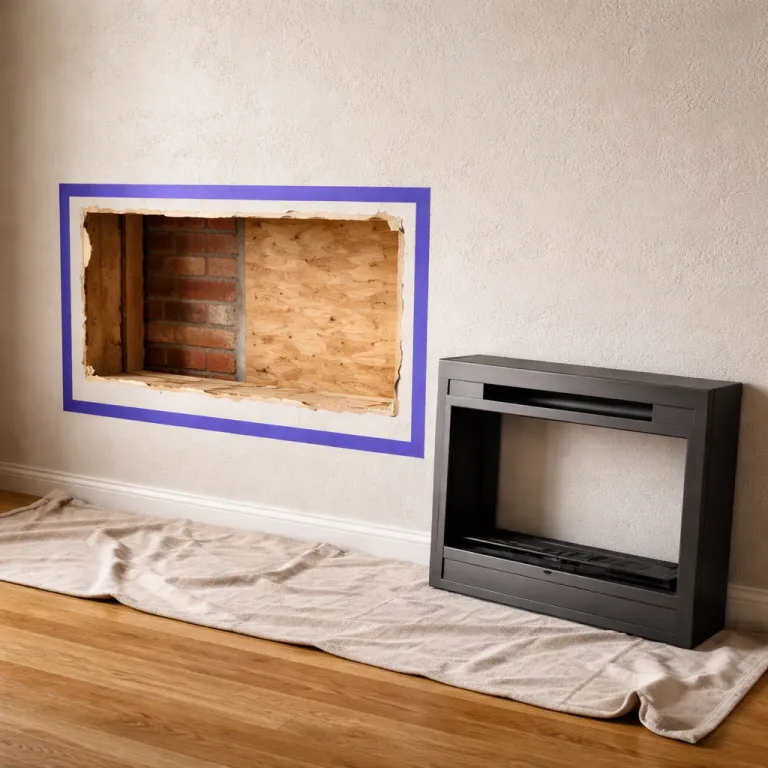
When people ask about a recessed vs wall mount electric fireplace, they are usually torn between aesthetics and effort. A recessed electric fireplace sits flush inside the stud wall, while a wall mounted electric fireplace hangs on the surface like a TV and leaves the body of the fireplace projecting into the room. That single choice changes how your living space feels, how the heating works, and how permanent the installation looks.
Recessed fireplaces create a clean recessed wall line, so the flame effect reads as part of the architecture rather than an appliance hung on the wall. Surface mounted fireplaces offer easier installation because you hang the fireplace on mounting brackets, plug in the electric cord, and you are done, but the unit usually protrudes 10 to 15 centimetres (around 4–6 inches) and collects dust on the top edge. In a modern renovation where you are already opening walls, that protruding box quickly looks like a compromise rather than a focal point.
Most electric fireplaces in this category are linear models between 90 and 150 centimetres wide, and they are designed either as recessed models or as dual mode units that can be both wall mounted and recessed. When you compare these models side by side, recessed fireplaces offer a more integrated design, better cable management, and a calmer flame reflection because the glass sits flush with the surrounding wall. A basic wall mount electric fireplace still has a place in rentals or temporary spaces, but for homeowners planning a full living room rebuild, the structural advantages of a recessed fireplace insert are hard to ignore.
Quick comparison: recessed vs wall mounted electric fireplaces
| Feature | Recessed electric fireplace | Wall mounted electric fireplace |
|---|---|---|
| Typical projection into room | Flush with wall (0 cm) | 10–15 cm (approx. 4–6 inches) |
| Required cavity depth | Usually 12–15 cm for slim linear models | No cavity required |
| Installation complexity | Higher – framing, clearances, wiring | Lower – brackets and a suitable outlet |
| Visual impact | Built in, architectural focal point | Appliance like, visible box on wall |
| Best suited to | Renovations, media walls, long term homes | Rentals, offices, temporary or budget projects |
Visual impact, focal points and the reality of floor space
The first thing you notice with a wall mount electric fireplace is the way it sticks out from the wall and steals a little floor space visually, even if the footprint on the floor remains clear. That 10–15 centimetre projection on most mounted fireplaces may sound minor, yet in a tight living room it changes how close you can place furniture and how clean the sightlines feel. A recessed electric fireplace, by contrast, turns the flame into a flat focal point that behaves more like a built in artwork than a heater.
Design led buyers usually want the television and the electric fireplace to read as one composed block on the wall, and recessed fireplaces wall installations achieve that far more convincingly than surface mounted electric units. When the fireplace insert is recessed, the flame reflection does not compete with the TV frame, and you avoid the “TV on a bracket above a heater on another bracket” look that dates a modern room quickly. That is why we now tell renovators that if they are already paying for framing work, they should treat the recessed wall as a permanent feature and not as a place to hang temporary mounted electric appliances.
There is also the question of how the flame is pictured in marketing photos versus how it appears in your home, because the pictured flame on a glossy brochure often shows a perfectly dark wall and no cords. In reality, a surface mount electric fireplace needs either a visible cord drop or a surface raceway unless you pay an electrician to add an outlet directly behind the unit. If you want a truly cable free focal point and a calm modern design, a recessed vs wall mount electric fireplace comparison almost always favours the recessed option for long term satisfaction, especially once you have lived with the appliance for a few winters.
For readers comparing different wall mounted electric heaters and trying to understand how they will perform as zone heating, a detailed guide on choosing the right wall mounted electric heater for your home can help frame expectations about heat output and coverage. That kind of analysis matters because electric fireplaces offer ambiance first and heating second, and the way the unit is mounted affects how the warm air washes across the room. A recessed electric fireplace often throws heat more evenly along the wall plane, while a bulky surface mount can create hot spots directly above the grille and leave the rest of the space cooler.
Structure, installation and why we now favour recessed models
The structural difference between a recessed electric fireplace and a wall mounted electric fireplace is simple but decisive for renovations. A recessed fireplace requires cutting into the stud wall, framing a pocket with non combustible clearances, and sometimes adding a shallow bump out if the existing wall depth is not sufficient for the chosen models. A surface mount electric fireplace skips that carpentry and hangs on mounting brackets, which is why landlords and tenants often choose it for quick upgrades.
However, once you are already opening walls for insulation, wiring or a new media wall, the extra framing for recessed fireplaces usually adds only 200 to 500 euros in labour, based on typical installer quotes for small framing jobs, and the payoff in perceived quality is huge. Zero clearance linear fireplaces insert units like the Touchstone Sideline series are engineered specifically for this kind of professional installation, with slim bodies that fit into 12 to 15 centimetre cavities and front venting that allows the fireplace to sit flush. In our testing and installer feedback, a Touchstone Sideline recessed electric fireplace looked far more intentional than the same brand used as a wall mount electric fireplace, even when pictured Touchstone marketing images suggested both options were equivalent.
Surface mounted fireplaces rely entirely on the strength of the wall and the mounting brackets, so you must locate studs and respect the weight rating, especially for longer models over 150 centimetres. Recessed models, by contrast, transfer their weight to the framed pocket, which feels more secure over time and reduces vibration noise from the fan forced heating system. If you want more detail on the different ways to mount electric fireplaces safely and attractively, a specialist guide on the best wall mount options for your electric fireplace can help you compare bracket systems, clearances and cable routing strategies.
We stopped recommending surface mount for serious renovations because every time a client later added built in shelving or a media wall, the wall mounted fireplace suddenly looked like an afterthought. Once you have committed to a design led living space, it makes more sense to install a recessed fireplace insert that will age gracefully with the rest of the joinery. The up front effort of framing and professional installation pays off in resale value, because buyers in agent surveys consistently read a flush electric fireplace as part of the architecture rather than a removable appliance.
Heating performance, wiring and daily usability
From a pure heating perspective, a recessed vs wall mount electric fireplace comparison is less dramatic than the visual difference, because most electric fireplaces in this class use similar fan forced or infrared elements. What changes is how the warm air moves around furniture and how visible the supporting hardware becomes in daily use. A recessed electric fireplace can hide both the power cord and any optional hard wiring, while a surface mount electric fireplace almost always needs a cord cover or a new outlet placed directly behind the unit.
In a typical 20 square metre living room, a 1,500 W electric fireplace will act as zone heating rather than whole home heating, and that is true for both recessed fireplaces and mounted fireplaces. Where recessed models pull ahead is in comfort and noise, because the fan sits inside a framed cavity and transmits less vibration into the room, especially after a few years when bearings start to wear. We have seen wall mounted electric fireplaces develop rattles at the mounting brackets over time, particularly when the wall is lightweight plasterboard and the install was rushed.
Wiring is another reason we now favour recessed models for renovations, because once the wall is open you can run a dedicated circuit and avoid overloading existing outlets. That also lets you position the fireplace insert exactly where it balances the TV and other design elements, instead of being constrained by the nearest socket. For readers interested in the economics of using electric fireplaces as supplemental heaters, a detailed case study on zone heating in a one bedroom apartment shows how careful use of an electric fireplace can reduce central heating bills when used strategically.
Daily usability also favours recessed installations because you are less likely to bump into the unit, snag cables or stack objects on the top edge, which can block vents on some wall mounted models. A flush recessed wall keeps the circulation path clear and encourages you to treat the flame as a visual focal point rather than a shelf. Over years of use, that difference in behaviour matters more than the initial excitement about the pictured flame colours or the novelty of the remote control.
Real models, real failure points and when wall mount still makes sense
Looking at specific models helps clarify the recessed vs wall mount electric fireplace debate, because brochure language tends to blur the differences. The Touchstone Sideline series, for example, is marketed as a dual mode electric fireplace that can be both wall mounted and recessed, yet in practice the design language and venting pattern clearly favour a recessed installation. When we installed a Touchstone Sideline as a surface mount electric fireplace in a narrow hallway, the projection into the space felt awkward and the top edge gathered dust within weeks.
By contrast, when the same fireplace insert was recessed into a media wall in a living room, the flame effect looked deeper, the heating felt more even, and the whole composition read as a single modern design element. Other brands show similar patterns, whether you are looking at a Dimplex Revillusion insert, a Duraflame DFI 5010 style stove or a Real Flame Ashley mantel package, because the models that age best are usually the ones treated as part of the wall rather than as mounted fireplaces. Fan noise, LED dimming and thermostat drift all become more tolerable when the fireplace feels built in and intentional, not like a temporary appliance hanging on brackets.
There are still situations where a wall mounted electric fireplace is the right call, especially in rentals, offices or rooms where you cannot cut into the wall or pay for professional installation. In those cases, choose a slim mount electric design, use high quality mounting brackets anchored into studs, and keep the cable run as short and discreet as possible. The key is to be honest about your space, your budget and your long term plans, because the best electric fireplaces are not the ones with the brightest pictured Touchstone flames, but the ones that still feel right after the tenth winter in your living room.
FAQ
Is a recessed electric fireplace safer than a wall mounted model
Both recessed and wall mounted electric fireplaces are safe when installed according to the manufacturer instructions and local electrical codes. A recessed electric fireplace often feels safer in busy rooms because it sits flush with the wall and cannot be bumped, and the cable is usually hidden. Wall mounted electric fireplaces require careful use of mounting brackets and proper clearances above the floor and around soft furnishings to maintain safe airflow.
Can I recess any wall mount electric fireplace into the wall later
You cannot automatically recess a wall mount electric fireplace unless the manual explicitly states that the unit is approved for recessed installation. Recessed fireplaces need specific venting paths and clearances, and using a surface mount only model inside a wall cavity can cause overheating or damage. If you think you might want a recessed wall look later, choose dual mode recessed models from the start and plan the framing depth accordingly.
How deep does my wall need to be for a recessed electric fireplace
Most slim linear recessed electric fireplaces need a cavity depth of around 12 to 15 centimetres, while more traditional fireplace insert designs can require 20 to 30 centimetres. If your existing wall is too shallow, your installer can build a bump out to create the necessary space without altering the structural studs. Always check the specific models you are considering, because minimum depth and clearance requirements vary between brands and are set out in the manufacturer technical manuals.
Will a recessed electric fireplace heat my whole home
An electric fireplace is designed for zone heating, which means it warms the room it is in rather than the entire home. A typical 1,500 W unit can comfortably supplement heating in a 15 to 25 square metre living space, but it will not replace a central heating system. Whether recessed or wall mounted, treat electric fireplaces as efficient local heaters and use them to reduce reliance on whole house systems in occupied rooms, as recommended by independent organisations such as the Energy Saving Trust.
Does a recessed installation improve home resale value
Buyers usually perceive a recessed electric fireplace as a permanent architectural feature, which can subtly improve the appeal of a living room or primary suite. A surface mount electric fireplace, by contrast, often looks like a removable appliance and may not influence resale value as strongly. While it is hard to quantify the exact price impact, agents consistently report that well executed recessed fireplaces help listings photograph better and feel more finished during viewings.
Sources
Energy Saving Trust (guidance on efficient electric heating and zone heating strategies)
Building regulations and local electrical codes (clearances, wiring methods and safety requirements)
Manufacturer technical manuals for Touchstone, Dimplex and Real Flame electric fireplaces (installation depths, venting and mounting instructions)