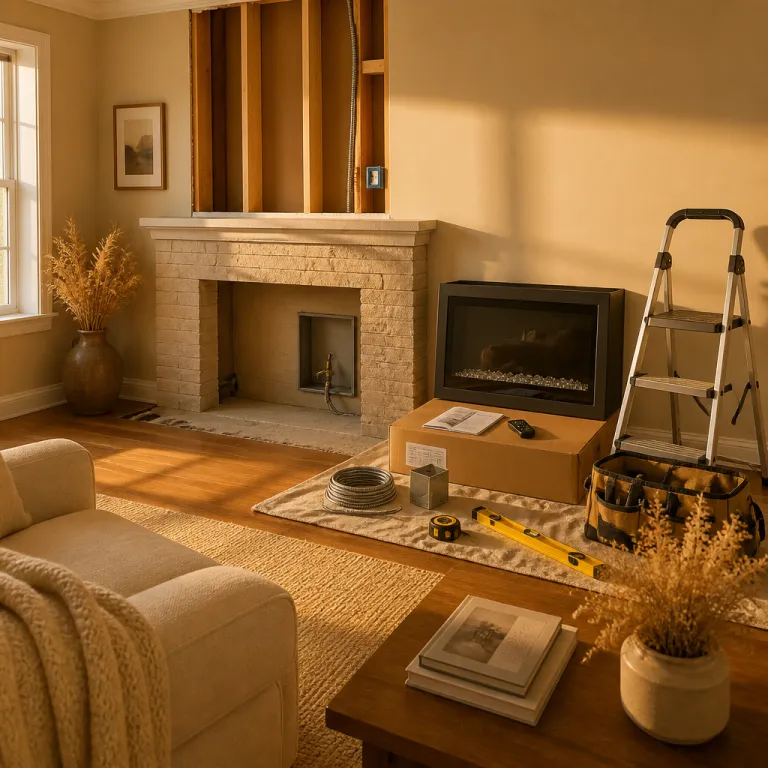
Why homeowners convert a gas fireplace to electric in real homes
Many homeowners decide to convert a gas fireplace to electric when monthly gas bills and annual servicing start to feel out of proportion to the handful of evenings they actually use the flames. The shift from a traditional fireplace gas setup to a modern fireplace electric insert is less about chasing a trend and more about controlling operating cost, simplifying upkeep and matching a built environment that is moving toward all electric heating. When you already have one or more gas fireplaces in the house, the question becomes which existing fireplace offers the best balance of access, aesthetics and usable heat output for conversion.
In a typical suburban living room, the old burning fireplace with a gas log set and aging gas insert often leaks heat up the flue even when off, so the real price you pay is hidden in your utility bills. Swapping that gas fireplace for an electric fireplace or for one of the newer built electric fireplaces turns the opening into a controllable zone heating option, where you can run flames without heat or dial in a specific heat output for a single room instead of the whole house. The ability to convert fireplace openings one by one lets homeowners phase the project, starting with the room they actually sit in every night rather than every fireplace at once, and matching each insert to the way that specific space is used.
Design plays a role too, because many homeowners are renovating mantels and surrounds at the same time they convert a gas fireplace to electric. A shallow electric insert with a clean face and realistic flames can make a 1970s brick fireplace look intentional again, while a deeper fireplace insert with a sculpted log set suits a more traditional mantel. The key is to treat gas electric decisions as part of a whole room setup, not as a standalone appliance swap that ignores proportions, furniture layout and how you actually use the space from day to night.
Step one: shutting down the gas line and making it safe
The first non negotiable step when you convert a gas fireplace to electric is to isolate, disconnect and cap the gas line feeding the firebox. That means bringing in a licensed plumber or qualified gas technician, because a do it yourself cap on a fireplace gas stub hidden behind brick is not just risky, it is usually a code violation that can void insurance. Even if your gas fireplaces have been dormant for years, the line is still live, and a proper pressure test and documented disconnection are part of a safe installation.
Expect the contractor to pull the gas insert or gas log set, trace the gas pipe back to an accessible point and install a permanent cap or remove the branch entirely, which affects both cost and future maintenance. In many homes the gas fireplace line tees off near the meter, so the best option is often to remove that branch and label the remaining lines clearly, which avoids confusion if another tradesperson later works on other gas appliances. Typical pricing for this work ranges from about $200 to $600 for a straightforward cap and test, with more complex rerouting or wall repairs pushing the total higher, so ask for a written line item in the quote and compare it with at least one other estimate.
Once the gas work is complete, the firebox becomes a blank shell ready for an electric insert or for one of the slimmer built electric fireplaces that sit partly in and partly out of the wall. This is the moment to decide whether you want a simple plug in fireplace electric unit or a hardwired electric fireplace with higher heat output, because the electrical requirements will shape the rest of the setup. If you are leaning toward a wall mounted model like a built in wall mount freestanding electric fireplace with crystal and log set room heater, check that the framing and clearances around the opening can safely support that style of installation and that any required permits for gas disconnection and electrical work are included.
The flue, the firebox and the awkward reality of old openings
Once the gas is capped, the next decision in any convert fireplace project is what to do with the chimney flue and the existing fireplace box. Leaving the flue wide open above a new electric fireplace insert means your conditioned air will keep escaping, so you lose much of the efficiency benefit that pushed you away from a burning fireplace in the first place. The better option in most cases is to seal and insulate above the firebox, while still allowing any necessary ventilation paths that local code may require and documenting any changes for future inspections.
Older masonry fireplaces rarely match the tidy rectangles shown in electric fireplaces brochures, and that mismatch is where many homeowners get stuck. A nominal 36 inch opening can hide a tapered firebox that narrows toward the back, so a fireplace insert that looks perfect on paper may not slide in without modifying brick or adding a metal surround. Before you shop for fireplace inserts or an electric insert, measure width, height and depth at several points, and compare those données carefully with manufacturer framing requirements, not just the visible trim size, noting minimum clearances to combustibles and any required air gaps.
If you plan to recess a wider built electric unit into a stud wall above or around the old opening, you will be dealing with framing, clearances and finish details, not just the appliance itself. Guidance on recessing a fireplace into a stud wall, including framing clearances and finish details, can help you avoid the common mistake of building a niche that is a few millimetres too tight for the chosen model. As a quick checklist, note the existing opening width, height and depth, the distance to the nearest outlet, mantel and side walls, and compare those to sample requirements from major brands, such as a typical 50 inch linear unit needing roughly 52 inches wide, 20 inches high and 6 to 8 inches deep with 1 to 2 inches of clearance around the box. Whether you keep the old masonry as a decorative surround or frame a new wall, the goal is to create a setup where the flames sit at a comfortable eye level from your main seating, not just where the original mason happened to stop laying brick.
Power, heat output and choosing the right electric insert or built in
After the shell is ready, the most technical part of converting a gas fireplace to electric is matching electrical capacity to the heat output and features you actually need. Many smaller electric fireplaces run on a standard 120 volt circuit and draw around 1 500 watts, which translates to roughly 4 600 BTU of heating, enough for zone heating in a 15 to 20 square metre room according to typical manufacturer specifications. If your existing fireplace already has a nearby outlet, you might be tempted to plug in any fireplace electric unit and call the installation finished.
That is where long term thinking matters, because a dedicated circuit often prevents nuisance breaker trips once the rest of the room’s lighting and electronics are in use. If you want a higher capacity built electric model, or a modern flames style linear unit that can supplement central heating in a larger open plan, you may need a 240 volt circuit and professional wiring. Ask the electrician to calculate load for the whole room, not just the electric fireplace, and to explain how the thermostat, remote and safety shutoffs work in plain language; expect to pay roughly $150 to $400 to add a new 120 volt outlet near the opening, and $500 to $1 200 or more for running a dedicated 240 volt circuit depending on panel location and wall access, based on common residential wiring rates.
Real world testing from consumer reviews and long term owner reports shows that fan forced heaters in compact fireplace inserts can develop bearing noise after a few years, while infrared units tend to keep a steadier heat output but may have more visible elements. Models like the Dimplex Revillusion or the Touchstone Sideline balance flame realism with reliable heating, while budget boxes often cut corners on the log set and the fan assembly. When you compare price and features, focus less on the advertised maximum heating number and more on whether the flames still look convincing at low brightness, because that is how you will use the fireplace most evenings, and expect typical electric inserts to range from about $250 to $800, with premium linear built ins running from roughly $900 to several thousand dollars according to major retailer listings.
Design, cost breakdown and the contractor knowledge gap
Once the technical pieces are clear, the remaining decisions when you convert a gas fireplace to electric are about design, total cost and who is actually qualified to do the work. Keeping an original mantel and surround can save money, but the proportions sometimes look odd when a small electric insert floats in a large stone opening, so you may need trim panels or a new hearth to visually anchor the flames. In some renovations, homeowners choose a full electric fireplace suite with a built surround, which can sit in front of the existing fireplace and hide old brick while delivering a clean modern look.
For a realistic cost breakdown, separate the trades and the products, because each has its own price range and maintenance profile. Gas line disconnection and capping often represent a modest part of the total cost, while electrical work and carpentry for framing or finishing can add more than the electric fireplaces themselves, especially if you are moving from a simple gas log to a wide linear built electric feature wall. Reading detailed tests of specific models, such as a suite with realistic flame and log effect and multiple LED colours, can help you judge whether a higher upfront price buys quieter fans, better flames and lower long term maintenance, and sample all in project quotes for a single fireplace often land between about $1 500 and $5 000 depending on how much structural and finish work is involved, based on typical contractor estimates.
The hardest part for many homeowners is finding a contractor who understands both gas and electric, because many HVAC teams still default to recommending gas fireplaces out of habit. When you interview installers, ask how many gas to electric conversions they have completed, whether they have worked with fireplace inserts and wall mounted units, and how they handle warranty issues on brands like Duraflame, Real Flame or Dimplex. The best setup is one where the plumber, electrician and finish carpenter communicate clearly, so you are not left coordinating trades while staring at a half finished opening and a boxed fireplace insert in the middle of your living room.
Living with your converted fireplace: heat, maintenance and everyday use
Once you have gone through the work to convert a gas fireplace to electric, the payoff shows up in the way you actually use the room. Electric fireplaces let you run flames without heat on mild evenings, which means the fireplace becomes a daily backdrop rather than a seasonal event tied to the coldest nights. That change in behaviour is where the real value lies, because an appliance you enjoy often is worth more than a powerful gas fireplace that stays off most of the year.
Day to day maintenance on an electric fireplace is mostly about dusting the intake and exhaust grilles, occasionally cleaning the glass and checking that the log set or crystal bed still sits correctly after any moves. There is no chimney sweeping, no combustion air adjustment and no carbon monoxide risk from the unit itself, which simplifies annual maintenance compared with a wood burning or gas electric setup. Over time you may need to replace a fan or an LED board, but those repairs are usually cheaper and cleaner than dealing with a cracked firebox or a failing gas valve in older gas fireplaces, and many homeowners treat them like servicing a space heater or other small appliance.
When you evaluate whether the conversion was worth the cost, look at both the heating bills and the way the space feels on an ordinary weeknight. A well chosen fireplace electric insert with steady heat output and convincing flames can make a modest existing fireplace feel like the best seat in the house, even if the raw heating numbers are lower than the old gas insert. In the end, what matters is not the log pattern in the showroom, but the tenth winter in your living room, when the flames still look good, the controls feel intuitive and the running costs match the way you actually live.
FAQ
Does converting a gas fireplace to electric always require permits ?
Most jurisdictions require a permit for any work that modifies gas lines, so the disconnection and capping stage of a conversion usually needs approval. Electrical upgrades, such as adding a dedicated circuit for an electric fireplace, may also trigger a permit and inspection. Check with your local building department before starting, and make sure your contractor includes permit handling in the written quote, since some areas treat gas line abandonment and new 240 volt circuits as separate inspections.
Can I plug an electric insert into an existing outlet inside the firebox ?
Many electric inserts are designed to plug into a standard outlet, but that outlet must be rated correctly and located where heat will not damage the wiring. An outlet inside the old firebox is often not up to current code, especially if it was added informally for a gas insert blower. A licensed electrician should evaluate the circuit, relocate or replace the outlet if needed and confirm that the total load for the room remains within safe limits, explaining whether a dedicated breaker is recommended for your chosen model.
What happens to the chimney when I install an electric fireplace ?
When you replace a gas fireplace or wood burning unit with an electric fireplace, the chimney flue no longer carries combustion gases, but it still affects energy efficiency. Leaving the flue open above the new fireplace insert allows warm indoor air to escape, so most professionals recommend sealing and insulating above the firebox while respecting any ventilation requirements in your local code. A chimney specialist or general contractor can propose options that balance energy savings with moisture control and structural considerations, and may suggest removable panels so future inspections remain possible.
Is an electric fireplace cheaper to run than a gas fireplace ?
Operating cost depends on local electricity and gas prices, but electric fireplaces let you run flames without heat, which dramatically reduces energy use for ambiance only. When you do use heat, a typical 1 500 watt electric insert draws about the same power as a portable space heater, making it suitable for targeted zone heating rather than whole house heating. Gas fireplaces can deliver higher heat output, yet they often waste energy if you only want a small amount of warmth or if the unit lacks a thermostat and efficient blower, so many households find that a converted electric unit lowers their overall seasonal spend.
Can I keep my existing mantel and surround when I convert ?
In many cases you can keep the existing mantel and surround, especially if the opening dimensions match common electric fireplace inserts. However, very large or unusually shaped masonry fireplaces may require trim panels, a new hearth or even partial reframing to avoid a small electric unit looking lost in a big cavity. A designer or experienced installer can mock up proportions with cardboard templates before you buy, helping you choose a model that fits both the space and your preferred style, and confirming that clearances to the mantel and side walls meet the manufacturer’s instructions.