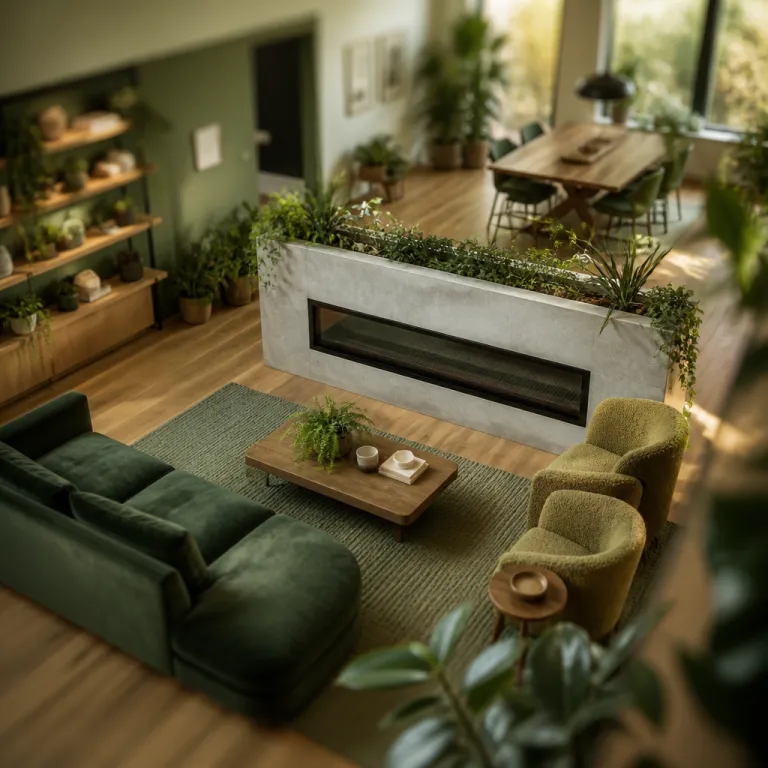
What defines a linear fireplace in a modern home
A linear fireplace is a wide, low-profile fireplace that stretches horizontally along the wall. This elongated, rectangular opening creates a strong architectural focal point, especially when the viewing height is carefully aligned with seated eye level. In contemporary apartments and compact homes, linear fireplaces and slim linear electric models often replace bulky mantels to free valuable floor space.
Unlike a traditional fireplace built around a deep firebox, a linear fireplace uses a shallow, elongated fire chamber. That slim profile allows both electric fireplaces and gas fireplace units to fit into narrow stud walls without major structural work. For many urban renovations, this means a fireplace add can finally be considered where a chimney or conventional vent gas flue was impossible before.
Most buyers first compare a linear electric fireplace with a linear gas fireplace because both appear similar behind glass. The key difference lies in how the flame effect is produced and how heat is delivered to the room. Electric models simulate flame with LEDs and projected patterns, while gas fireplaces burn real fuel and require a direct vent or another safe vent gas solution to exhaust combustion products.
From an aesthetic perspective, the long ribbon of flame in linear fireplaces emphasizes width rather than height. Designers often specify a 120 to 180 centimetre (roughly 48 to 72 inch) linear format to match the scale of a media wall or built-in cabinetry. When the viewing height is set just below the television, the linear fireplace becomes a visual anchor without competing with the screen.
Homeowners attracted to a modern look often choose a frameless linear fireplace with minimal trim. This approach lets the flame appear to emerge directly from the wall, which suits minimalist interiors and open-plan lofts. For more traditional rooms, manufacturers offer subtle surrounds that soften the modern edge while preserving the linear electric proportions and horizontal emphasis.
Because the term linear can apply to both electric and gas models, product pages sometimes mix technologies. Always read the technical details to confirm whether you are considering an electric fireplace or a gas fireplace, especially when planning vent gas routes and clearances. Taking time to view details in the specification sheets avoids costly changes once framing, wiring, and any gas connections have started.
Comparing linear electric and linear gas fireplaces
Choosing between a linear electric fireplace and a linear gas fireplace starts with understanding your building constraints. Apartments without flues or access to an outside wall usually favour electric fireplaces because they do not need a direct vent. Houses with existing gas lines and flexible vent gas routes can consider both technologies, weighing running costs, installation complexity, and desired heat output.
A linear electric model offers straightforward installation, often requiring only a standard electric circuit and a framed opening in the wall. Many wall mounted units, such as compact designs similar in spirit to the Warmlite Hingham wall mounted fireplace reviewed in this independent wall mounted electric fireplace test, can be hung like a television with minimal disruption. For deeper recesses, builders can integrate an inch linear chassis between studs and finish the surrounding wall with plasterboard, stone, or tile.
Linear gas fireplaces require more planning because every unit must exhaust combustion gases safely. A direct vent system draws fresh air from outside and expels fumes through a sealed pipe, which protects indoor air quality while maintaining efficiency. When routing that vent gas pipe, installers must respect maximum length and bend limits specified in the product details and local codes.
From a visual standpoint, both linear electric and linear gas fireplaces now offer sophisticated flame effects. Gas burners create real flame that responds to air movement, while electric fireplaces use layered LED patterns to simulate depth and movement. Some buyers still prefer the authenticity of gas, but others value the flexibility of electric flame colours, ember bed media, and the option to run the display without heat.
Operating costs differ as well, and they depend heavily on local energy tariffs. A typical linear electric fireplace in a living room draws up to about 1.5 kW of heat, while many mid-size direct vent gas fireplaces deliver 20,000 to 30,000 BTU per hour (around 6 to 9 kW) of output. A gas fireplace may therefore be cheaper to run in regions with low gas prices, especially when used as a primary heat source in winter. An electric fireplace can be more economical for occasional use, particularly when you run the flame effect without heat during shoulder seasons.
Maintenance is another dividing line between linear gas and linear electric options. Gas fireplaces need periodic servicing to check burners, seals, and direct vent integrity, while electric fireplaces mainly require dusting and occasional component replacement. For busy households or rental properties, the lower maintenance burden of electric models often tips the balance toward a linear electric fireplace as a practical choice.
Wall mounted linear electric fireplaces and viewing comfort
Wall mounted linear electric fireplaces have become a favourite choice for slim media walls. Their shallow depth and flexible electric connections allow installation where a traditional fireplace would never fit. When planned carefully, the viewing height aligns with seated sightlines, which reduces neck strain and enhances the perception of a continuous flame ribbon across the wall.
Many wall mounted units offer both recessed and surface mounting options, giving renovators more customization options. Ultra-thin chassis, similar in concept to the models examined in this ultra thin electric fireplace performance review, can sit almost flush with the wall surface. This creates a clean, modern line that pairs well with floating shelves, low-profile media cabinets, and concealed cable management.
When selecting a wall mounted linear fireplace, pay close attention to the inch measurement in the model name. A 127 centimetre, or roughly 50 inch linear unit, suits modest living rooms, while larger open-plan spaces may justify 150 centimetres or more. The goal is to balance the fireplace width with the wall length so the focal point feels intentional rather than undersized or visually lost.
Viewing comfort depends not only on width but also on vertical placement. Designers often recommend positioning the flame viewing height between 90 and 110 centimetres from the floor for seated rooms. In dining areas or standing spaces, raising the linear fireplace slightly ensures the flame remains visible above furniture and people while still feeling connected to the room.
Electric fireplaces excel in flexibility because the flame effect can run independently from the heater. On mild evenings, you can enjoy the visual warmth of the flame without adding physical heat to the room. During colder months, the built-in electric heater supplements central heating, though it should not replace a full-sized heating system in larger homes or poorly insulated spaces.
Many modern wall mounted linear fireplaces now include smart controls and app integration. Users can adjust flame colour, brightness, and heat output from a smartphone or remote, tailoring the ambiance to different times of day. This level of control reinforces the perception of the linear fireplace as both a design feature and a responsive comfort appliance that adapts to changing needs.
Multi sided linear fireplaces as architectural focal points
Multi sided linear fireplaces extend the concept of a single wall opening into more complex architectural forms. A three-sided peninsula design can project into a room, while a two-sided tunnel fireplace connects adjacent spaces with a shared flame view. These multi sided layouts transform the linear fireplace into a sculptural element that shapes circulation, sightlines, and how people gather.
When planning a multi sided installation, structural coordination becomes critical because the opening often interrupts load-bearing walls. Engineers and installers must work together to ensure the fireplace add does not compromise the building frame, especially when the unit spans several metres. Electric fireplaces simplify this process because they do not require heavy flue systems or combustion clearances, reducing structural loads.
Gas fireplaces in multi sided formats remain popular in high-end homes and commercial spaces. These linear gas units typically rely on a carefully routed direct vent system that preserves clear glass on multiple faces. The vent gas path may run vertically or horizontally, but it must always respect manufacturer limits to maintain safe draft, flame stability, and compliance with safety standards.
Designers often use multi sided linear fireplaces to zone open-plan interiors without building full-height partitions. A peninsula unit can separate a kitchen from a living area while preserving visual connection through the glass. In offices or hotel lobbies, a long tunnel-style linear fireplace becomes a dramatic focal point that draws visitors through the space and anchors seating areas.
Electric versions of these multi sided designs offer striking flame effects without combustion risks. Because the flame is an electric illusion, glass temperatures remain lower than on many gas fireplaces, which can improve comfort in tight seating areas. This makes a multi sided linear electric fireplace suitable for family rooms where children may sit close to the glass or where furniture is placed nearby.
Regardless of fuel type, the success of a multi sided linear fireplace depends on proportion and alignment. The inch linear dimension should relate to nearby furniture groupings, while the viewing height must work from multiple vantage points. Careful coordination between interior design, architecture, and mechanical planning ensures the linear fireplaces feel integrated rather than added as an afterthought.
Understanding flame technology, brands, and customization options
Flame technology has advanced rapidly in both electric and gas linear fireplaces. Electric fireplaces now use multi-layer LED systems to create depth, with adjustable colours that range from traditional amber to cool blue or vivid violet. Gas fireplaces refine burner design, fuel-air mixing, and media placement to produce taller, more natural flame patterns along the linear burner.
Among electric brands, Dimplex stands out for its long investment in flame research. The Dimplex Ignite series, including the Dimplex Ignite, Ignite Ultra, and Ignite Evolve lines, illustrates how linear electric technology has matured. These models offer varied flame speeds, ember bed colours, and media kits, giving homeowners extensive customization options without changing the core appliance or wall layout.
When you view details on product pages, pay attention to how each manufacturer describes flame realism. Some electric fireplaces prioritize bold, colourful effects suited to modern lofts, while others mimic the subtle glow of a gas fireplace with logs and embers. Gas models, by contrast, often highlight burner engineering, fuel efficiency, and direct vent performance in their technical details and brochures.
Customization extends beyond flame appearance to framing and wall finishes. Many linear fireplace designs allow for tile, stone, or plaster returns that bring the wall surface right up to the glass edge. This frameless look emphasizes the modern character of linear fireplaces, while more traditional trims or mantels can soften the effect for classic interiors and transitional schemes.
Buyers should also consider interior media such as glass beads, ceramic logs, or driftwood. A beach house might suit pale driftwood and light stones, while an urban apartment could favour dark glass and metal accents. Because media kits are often interchangeable, they provide a relatively low-cost way to refresh a linear fireplace over time without replacing the entire unit.
Finally, think about how the linear fireplace interacts with lighting and furniture. Recessed ceiling lights, wall sconces, and dimmable lamps can either compete with or complement the flame, depending on placement. A carefully composed lighting plan ensures the fireplace remains the focal point without overwhelming the room after sunset or creating distracting reflections on the glass.
Practical buying advice, shipping, and long term value
For anyone starting the buying journey, clarity on budget and constraints is essential. Electric fireplaces generally cost less upfront than comparable gas fireplaces, especially when you factor in vent gas components and labour. However, premium linear electric models with advanced flame systems and smart controls can approach the price of mid-range gas units, particularly in larger inch linear sizes.
Online retailers often highlight free shipping or discounted shipping as part of promotional campaigns. While free shipping can be attractive, always check what level of service is included, such as curbside delivery versus in-home placement. Large inch linear units can be heavy and fragile, so professional handling reduces the risk of damage before installation and simplifies moving the appliance into tight spaces.
Before you commit, take time to view details on independent testing and comparative reviews. Resources such as the in-depth methodology analysis available through this critical evaluation of consumer fireplace lab tests help you interpret performance claims. Understanding how different labs measure heat output, noise, and flame realism will make your shortlist more objective and aligned with real-world use.
Long term value depends on energy tariffs, maintenance, and how often you use the fireplace. A gas fireplace with a high-efficiency direct vent system may offer better running costs in cold climates where it operates daily. In milder regions or secondary rooms, a linear electric fireplace that runs mostly for ambiance can deliver excellent value with minimal maintenance and no fuel deliveries.
Warranty terms and service networks deserve close attention, especially for complex multi sided installations. Check how long key components such as burners, blowers, control boards, or LED engines are covered, and whether local technicians are trained on your chosen brand. A slightly higher purchase price can be justified if it secures stronger support and readily available parts over the life of the fireplace.
Ultimately, the best linear fireplace is the one that fits your space, lifestyle, and safety requirements. By balancing design aspirations with technical realities, you can select a fireplace add that enhances comfort and property value. Careful planning around wall construction, viewing height, and customization options will ensure your new focal point feels timeless rather than tied to a passing trend.
Key statistics on linear fireplaces and electric heating
- According to the United States Energy Information Administration, around 41% of American homes used electricity as a primary or secondary heating source in the most recent Residential Energy Consumption Survey (U.S. EIA, Residential Energy Consumption Survey, 2020 data release). Readers can consult the EIA’s Residential Energy Consumption Survey tables for the latest verified figures.
- Market research from Grand View Research reports that the global electric fireplace market exceeded 1 billion US dollars in annual revenue, with linear electric models representing one of the fastest growing segments due to their modern design appeal (Grand View Research, Electric Fireplace Market Report, 2022 edition). The full market report provides detailed regional breakdowns and growth forecasts.
- Studies from the Canadian Gas Association indicate that high-efficiency direct vent gas fireplaces can achieve efficiency ratings above 70%, significantly outperforming many older open hearth fireplaces that often fall below 15% efficiency (Canadian Gas Association, Residential Gas Fireplace Efficiency Overview, 2019). The association’s technical backgrounders explain how these efficiency ratings are measured.
- Indoor air quality assessments by the United States Environmental Protection Agency show that sealed direct vent gas systems substantially reduce indoor particulate emissions compared with unvented gas heaters, which reinforces the safety benefits of sealed combustion in modern gas fireplaces (U.S. EPA, Indoor Air Quality and Combustion Appliances, 2018 guidance). The EPA’s indoor air quality resources outline testing methods and health considerations.
- Consumer surveys from the National Association of Home Builders consistently rank fireplaces among the top three most desired home features, and linear fireplaces are increasingly specified in new construction to meet expectations for modern, space-saving focal points (NAHB, What Home Buyers Really Want Survey, 2021). Detailed survey results are available in the NAHB’s published buyer preference reports.
FAQ about linear fireplaces
Are linear electric fireplaces safe for apartments without chimneys
Linear electric fireplaces are generally well suited to apartments because they do not burn fuel or require a chimney. They plug into an electric circuit, produce no combustion gases, and only need standard clearances specified in the manual. Always follow manufacturer instructions and building regulations, especially regarding dedicated circuits, ventilation, and compatible wall materials.
How high should I mount a linear fireplace under a television
For comfortable viewing, many designers aim for a flame viewing height between 90 and 110 centimetres from the floor in living rooms. When a television is mounted above, leave enough space to protect the screen from heat and to avoid neck strain. Checking the fireplace heat outlet location, recommended clearances, and TV manufacturer guidance will guide the final layout.
Do gas linear fireplaces heat better than electric models
High-efficiency direct vent gas fireplaces usually deliver more heat output than typical electric fireplaces, which are often limited to around 1.5 kW. Gas units commonly provide 20,000 BTU per hour or more, making them significant supplemental heaters in cold climates, especially in open-plan areas. Electric models excel when you want flexible ambiance with modest heat in smaller or well-insulated rooms.
What maintenance do linear fireplaces require over time
Gas linear fireplaces need regular servicing to inspect burners, seals, and vent gas systems, usually every one to two years. Electric fireplaces require less maintenance, mainly dusting, checking connections, and occasionally replacing LED components or fans. Always use qualified technicians for gas work to maintain safety, efficiency, and warranty coverage.
Can I retrofit a linear fireplace into an existing traditional hearth
Retrofitting is often possible, but the approach depends on the existing structure and chimney. Some homeowners install a linear gas insert with a direct vent liner inside the old flue, while others close the hearth and build a new stud wall for a linear electric fireplace. A site visit from a certified installer will determine which options are structurally and economically viable for your specific property.