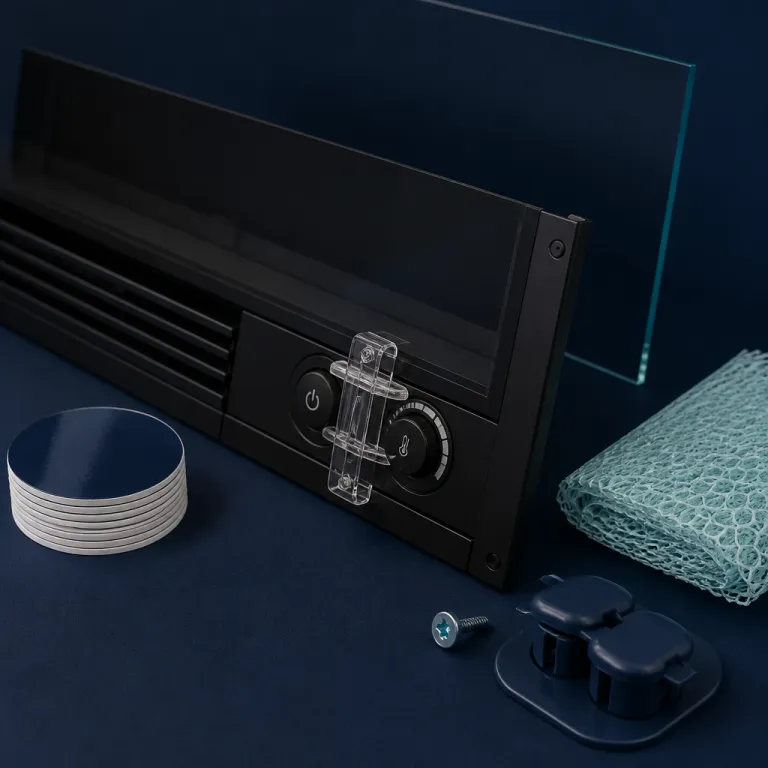
Why electric fireplaces feel safer, and where children still get hurt
Electric fireplaces look harmless compared with wood or gas units. In a typical living room in the United States, parents see no flames, no smoke, and assume the fireplace is safe for every baby and toddler. That perception drives many first time buyers toward an electric fireplace when they start planning a family or adopt pets.
The reality is more nuanced, because electric fireplaces remove combustion and carbon monoxide but still concentrate heat and electricity at child height. When you read injury data from pediatric burn units, you see a steady trickle of contact burns from hot touch glass, tipped freestanding stoves, and cords yanked from the wall by curious children and pets. Electric fireplace safety for children is better than with wood gas or open fireplaces, yet it is not automatic or guaranteed without thoughtful setup and ongoing maintenance.
Think of an electric fireplace as a high quality space heater wrapped in a decorative shell rather than a toy or nightlight. The same fireplace safety habits you would use with a portable heater apply here, especially in a busy living space where children pets and visiting toddlers move unpredictably. Your goal is to make electric fireplaces safe enough that you can leave the electric flame effect on for ambience while still respecting that this product is an appliance, not décor.
Cool touch glass, hot vents and the truth about “child safe” fronts
Manufacturers love to print “cool touch” or “safe electric front” on the box. On many electric fireplaces, that promise applies only to the decorative glass area, while the metal heater outlet just above or below still reaches temperatures that can burn a baby hand in seconds. When you assess electric fireplace safety for children, you need to separate real safety features from marketing stickers and understand exactly where the heat exits into the room.
Built in units like the Dimplex Revillusion series use recessed heater vents and double pane fronts that keep the main touch glass warm but not searing, which makes these fireplaces safer in a tight living room where a toddler might stumble forward. Wall mounted models such as the Touchstone Sideline push hot air from a narrow slot at the top edge, so the glass feels relatively cool while the vent strip can still feel uncomfortably hot for children pets that brush against it. Freestanding stoves like the Duraflame DFI 5010 often combine a large glass window with a front facing heater, and that combination demands a physical fireplace screen or baby gate if you want a genuinely safe electric setup.
For homes with crawling babies and active pets, a separate high quality fireplace screen or hearth gate is often more effective than relying on any cool touch label. A sturdy metal barrier keeps small hands away from both the glass and the heater outlet, and it also protects the product from toy impacts that could crack the screen or damage internal components. If you are comparing options on Amazon, read customer feedback carefully and look for real world comments about surface temperatures rather than just star ratings or vague claims that the fireplaces are safe.
Overheat protection, tip over switches and what certifications really cover
Every modern electric fireplace sold in the United States advertises overheat protection somewhere in the content. In practice, overheat protection is a thermal cutoff that shuts the heater off when internal temperatures exceed a threshold, but it does not make the exterior instantly cool or guarantee that the fireplace will never smell hot. During that short gap before shutdown, the unit can still feel very warm to a child who presses against the housing or touches the vent.
Freestanding electric stoves and compact portable fireplaces sometimes add a tip over switch, which cuts power if the product tilts beyond a set angle. That feature is valuable in a living space where a toddler might climb or a large dog might bump the unit, yet it is not universal and is not required on every style of electric fireplace. When you shop, treat a tip over switch as a must have for any unit that is not permanently mounted, and remember that even with this safety feature you should never leave electric heaters running unattended in a room with unsupervised children pets.
Certification marks help, but they have limits that parents should understand. A UL or CSA mark on an electric fireplace means the internal wiring, insulation, and safety features such as overheat protection meet defined standards, yet these tests do not guarantee that the touch glass will be comfortable for a baby or that the cord routing will suit your living room layout. If you are planning a built in installation, read guidance on whether to hardwire or leave a plug in connection, and consult resources that explain how the National Electrical Code treats electric fireplaces so that your wiring remains both compliant and safe for children.
Mounting height, cords and layout: making the living room work for kids
Where you place the fireplace in the room often matters more than which brand you buy. A wall mounted electric fireplace installed at adult eye level keeps both the heater vent and the controls well above toddler reach, while the same product mounted low over a TV console invites climbing and button pressing. For a first time buyer, planning the living room layout with children pets in mind is the most powerful electric fireplace safety decision you can make.
Think through the cord path before you drill or assemble anything, because the cord problem is one of the most common failure points in otherwise fireplaces safe homes. Plug in electric fireplaces with dangling cords near the floor become irresistible targets for a toddler who wants to pull or a cat that loves to chew, and both scenarios can damage the product or expose live prongs. Use low profile cord covers, secure the plug with a furniture anchor if possible, and avoid running the cord under rugs where heat can build up and where you cannot easily inspect for wear.
Flooring and nearby surfaces also deserve attention, even though electric units do not throw sparks like wood gas fireplaces. A stable, level base reduces the risk of tipping, and guidance on safe flooring around heat sources can help you choose rugs and mats that will not overheat or melt under the heater outlet. When you arrange furniture, leave enough clearance in front of the fireplace so that children cannot press toys directly into the vent, and remember that a good quality layout often does more for electric fireplace safety children need than any single advertised safety feature.
Remotes, lockouts, nightlight use and choosing genuinely safe electric models
Remote controls and app connectivity sound convenient until a toddler treats them as chew toys. Many electric fireplaces ship with simple remotes that lack any child lock, so a baby can accidentally turn the heater on during a nap or change settings while you are in another room. A few higher end models add keypad lockouts on the unit itself, but true remote or app based child locks remain rare and should be verified in the manual rather than assumed from marketing content.
For families, the safest way to use flame only mode as a nightlight is to treat the fireplace like any other appliance and switch it off at the wall when you leave electric effects running overnight. That habit ensures that even if a remote gets pressed or a control panel is bumped, power is cut and the heater cannot start unexpectedly in a child’s bedroom or shared living space. When you evaluate electric fireplace safety for children, prioritize models with clear on off indicators, reliable thermostats, and safety features that go beyond stickers, such as cool touch fronts, robust overheat protection, and solid feedback from long term customer reviews.
Real world experience with specific products helps separate high quality units from those that only look good in photos. Long term owners of the Dimplex Revillusion often praise the good quality flame effect and stable heat output but report that fan noise can increase after several winters, while Touchstone Sideline buyers sometimes mention thermostat drift that makes the room warmer than expected. When you read Amazon reviews, look past the star rating and search for comments about how the fireplace behaves in a busy living room with children pets, because that is the environment where electric fireplace safety children truly depends on design, build quality, and your own household habits.
FAQ
Are electric fireplaces completely safe for babies and toddlers?
Electric fireplaces are safer than wood or gas units because they do not produce carbon monoxide or open flames, but they are not completely safe for every baby or toddler without extra precautions. Many models still have hot vents, hard edges, and accessible cords that can cause burns or falls in a crowded room. Use a fireplace screen or baby gate, mount the unit high when possible, and supervise children closely whenever the heater is on.
Can I leave an electric fireplace running overnight in a child’s room?
Using an electric fireplace as a nightlight in flame only mode is usually safer than running the heater overnight in a child’s bedroom. If you must use heat, choose a model with reliable overheat protection and a thermostat, keep bedding and toys well away from the vent, and never leave electric heaters running unattended behind a closed door. Many parents prefer to heat the living space and keep bedroom fireplaces for ambience only.
What safety features should I prioritize when I have children and pets?
For homes with children pets, prioritize cool touch or recessed glass, strong overheat protection, and a stable design that resists tipping. A tip over switch is essential on freestanding units, and a secure wall mount at adult height is best for slim fireplaces. Combine these safety features with a physical barrier such as a fireplace screen and careful cord management to keep the living room both cozy and safe.
Do I still need a fireplace screen with an electric fireplace?
A fireplace screen or baby gate is highly recommended even with electric fireplaces, especially in homes with crawling babies or active toddlers. The screen keeps small hands away from hot vents and protects the glass from impacts, which can extend the life of the product. Choose a high quality, stable barrier sized to your unit so that it cannot be easily pushed aside.
How high should I mount a wall electric fireplace to keep kids safe?
Mount a wall electric fireplace so that the heater vent and controls sit above typical toddler reach, often at least 90 to 110 cm from the floor depending on your furniture. Check the manufacturer’s clearance guidelines to maintain safe airflow while still keeping the flame effect visible from seating. In a shared living space, err on the higher side and rely on furniture placement to keep children from climbing toward the unit.