Why a freestanding electric fireplace can look convincingly built in
A freestanding electric fireplace that looks built in solves a renter’s classic dilemma. You want the visual weight of a real fireplace recessed into the wall, yet you need something free standing that moves with you to the next flat. When you get the proportions, the flame effect and the surrounding decor right, guests stop asking whether it is electric and simply ask how you managed the installation.
The core illusion is architectural rather than technical, because the same electric fireplaces that look cheap in the middle of a wall can appear like custom built ins once framed correctly. A slim freestanding electric unit, usually around 65 to 75 centimetres (about 26 to 30 inches) wide and less than 30 centimetres deep, can sit tight against a wall and read as a fireplace built into a shallow chimney breast. That is why models with a flat back, a clean top and front facing vents work better than multi sided designs that expect open space around the flames.
Think of the appliance as one component in a larger composition, not the whole show. The freestanding electric box provides safe, vent free heat and the moving flames, while your DIY surround, cord management and furniture layout provide the architectural story. When all three elements align, a modestly priced electric fireplace can look more like a bespoke fireplace modern insert than a portable heater on legs.
Design trick 1: build a reversible surround that frames the unit
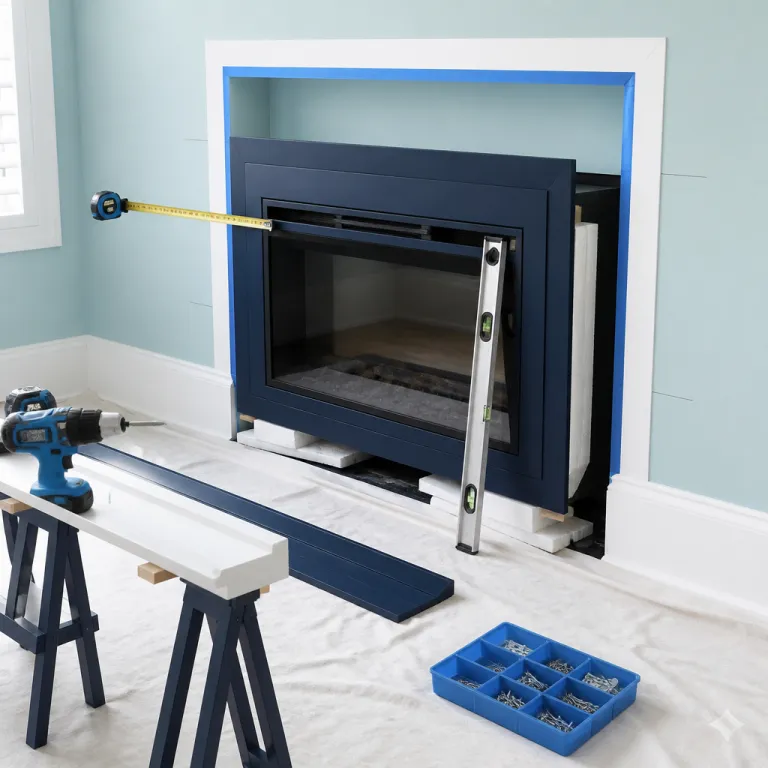
The most effective way to make a freestanding electric fireplace look built in is to give it a surround that touches the floor and the wall. A simple frame built from 18 millimetre MDF, cut to about 10 to 15 centimetres wider than your unit on each side, instantly turns a standing box into what reads as a fireplace built into a shallow column. Keep the depth of this surround under 25 centimetres so it still feels like part of the wall rather than a bulky cabinet in the room.
For renters, the key is reversibility, so this surround should be free standing and only lightly fixed to the wall with removable adhesive strips or two small screws. You can study how professional surrounds handle framing clearances and finish details by reading a specialist guide on testing a compact electric fireplace with a traditional style surround from Consumer Reports and similar review organisations. That kind of case study shows how a relatively small 130 to 150 centimetre (50 to 60 inch) wide unit can still anchor a living room when the surround height, mantel depth and side returns are balanced.
To keep the project manageable, think in simple steps: first, build a shallow “U” shaped base from MDF that the fireplace can sit inside; second, screw vertical legs to the base that rise to mantel height; third, add a horizontal top board as the mantel shelf; finally, fix narrow side returns that wrap a few centimetres along the wall so the surround appears to grow out of the architecture. Finish the MDF with the same paint as your skirting boards or with tile that echoes your kitchen splashback, because matching finishes help the freestanding electric unit feel like part of the original decor. If you prefer a more modern flames aesthetic, you can copy the look of a fireplace modern media wall by running the surround all the way up to the ceiling and painting it a contrasting colour. Either way, the goal is to create cozy visual mass around the electric fireplace so the eye reads the whole composition as one built electric feature.
Design trick 2: hide the cord and manage clearances without opening walls
Nothing ruins the illusion that a freestanding electric fireplace looks built in faster than a dangling black power cord. Because you are usually working with a standard 230 volt socket on a nearby wall, the challenge is to route that cable so the unit still appears vent free and permanent. The safest approach is to keep the socket accessible while making the cable visually disappear into the architecture.
Start by placing the unit so the plug lands directly behind the surround or within a short, straight run to the nearest outlet, then use a flat surface cord cover that you can paint to match the wall colour. A renter focused guide on choosing a freestanding electric fireplace for a rental emphasises checking cable length, plug orientation and the exact distance in centimetres from the back of the fireplace to the wall. Those small details matter more than headline price or advertised kilowatt rating when you are trying to keep everything looking built in yet still free standing and movable.
If you own the property and feel comfortable with basic DIY, a surface mounted plastic conduit painted to match the skirting can hide the run entirely without cutting into plaster. Renters should avoid drilling large holes for behind wall pass throughs, but they can still use low profile trunking that peels off cleanly when they move. Always follow the manufacturer’s instructions on maximum cord length and only use properly rated, heavy duty extension leads if absolutely necessary, never daisy chaining multiple adapters. The result is a freestanding electric fireplace that reads as a fixed fireplace built into the wall, even though the unit remains free to unplug and relocate year round.
Design trick 3: match mantel, trim and furniture for a seamless look
Once the surround and cord are handled, the final step is to integrate the freestanding unit into the room’s existing language of lines and colours. A freestanding electric fireplace looks built in when its mantel height, finish and proportions echo the baseboards, door casings and media furniture already in the living room. That means you should measure those existing elements in centimetres and copy them rather than guessing from photos.
If your flat has crisp white skirting and simple shaker doors, a fireplace modern style surround painted in the same white will feel like it has always been there. In a period room with stained timber trim, a wood veneer mantel that matches the tone of your shelving or dining table will make the electric fireplace unit feel like part of a larger built ins system. Even the depth of the mantel shelf matters, because a 20 to 25 centimetre deep top aligns visually with typical console tables and helps create cozy symmetry when you flank the fireplace with chairs or plants.
Pay attention to the view from different angles, not just the straight on view from the sofa. If the sides of the freestanding electric unit are visible from a hallway or dining area, consider adding shallow returns to the surround so it looks like a multi sided chimney breast rather than a box pushed against the wall. When guests see consistent trim lines, matching finishes and a clean junction between the fireplace and the wall, they assume a built electric installation, not a portable heater that might have been on sale at a discount price.
Choosing the right freestanding models for a built in illusion
Some electric fireplaces lend themselves to this built in trick far better than others. Look for a flat back, front venting and a depth under about 25 centimetres, because that shallow profile lets the freestanding electric fireplace sit close enough to the wall to read as architectural. Units with curved backs, big rear handles or side vents are harder to disguise and tend to look like appliances rather than part of the room.
In comparative testing by reviewers and owners, compact stoves like the Duraflame DFI 5010 create cozy infrared heat but their faux cast iron legs and arched doors fight the built in story unless you fully enclose them in a surround. Mantel style units from brands such as Walker Edison and Real Flame, by contrast, already mimic traditional fireplaces and only need a bit of extra trim or a taller top section to feel like true built ins. For a more modern flames look, low slung wall mounted style units like the Touchstone Sideline can be set on a shallow plinth and wrapped with MDF to imitate a wall mounted electric fireplace that was recessed during construction.
Pay close attention to the stated width in centimetres and inches, because a 90 centimetre (36 inch) unit will dominate a small studio while a 65 centimetre (26 inch) model may look lost on a long wall. Check the manufacturer’s drawings for details on vent locations, minimum clearances and whether the unit is rated for year round operation with flames only, since many renters want ambiance without heat in warmer months. If you are tempted by high end names such as Modern Flames or the Orion series, remember that a more modestly priced fireplace can still look premium once the surround, decor and furniture layout are doing their share of the work.
Built in look versus real built in: heat, safety and long term living
Making a freestanding electric fireplace look built in is not just about aesthetics, because the way you frame and position the unit also affects heat distribution and safety. A true built in or wall mounted electric insert usually sits inside a stud wall with carefully planned clearances, while your free standing setup relies on open air around the vents to avoid overheating. That is why you must respect the manufacturer’s minimum distances from the floor, side walls and any shelves above, even when you are chasing a seamless look.
If you are curious about how professionals handle recessing a fireplace into a stud wall, a technical guide on framing clearances and finish details from the Energy Saving Trust and national building regulations shows the kind of planning that goes into a permanent installation. Your freestanding electric setup should imitate the spirit of those rules by keeping vents unobstructed, avoiding flammable decor directly above the flames and using only properly rated extension cords if absolutely necessary. The advantage is that you can enjoy vent free operation without the structural work, and you can take the unit with you when you move rather than leaving an expensive fireplace built into someone else’s property.
From a running cost perspective, an electric fireplace typically draws around 1.5 to 2 kilowatts on high, which is similar to a portable heater but with much better visual impact. Unlike a gas fireplace, there is no combustion, no flue and no need for annual gas safety checks, which simplifies life for renters and small space dwellers. The real test is not the first week of flames but the third winter in the same living room, when a well chosen freestanding electric unit still feels like part of the architecture rather than a temporary gadget.
Key figures about freestanding electric fireplaces and built in style
- Market research from several appliance retailers suggests that searches for freestanding electric fireplaces average on the order of 4,400 queries per month globally, which indicates strong ongoing interest in portable units that can still look permanent. Exact volumes vary by tool and season, so treat this as an indicative figure rather than a fixed statistic.
- Typical power ratings for electric fireplaces range from about 1.4 to 2 kilowatts, which translates to roughly 4,700 to 6,800 BTU and makes them suitable for zone heating rooms of about 12 to 25 square metres depending on insulation and ceiling height.
- Energy agencies such as the Energy Saving Trust estimate that using an electric fireplace for targeted zone heating can reduce whole home heating demand by roughly 10 to 15 percent when occupants lower the central thermostat and heat only the occupied room, although actual savings depend on behaviour and building fabric.
- Consumer surveys from large home improvement chains and Consumer Reports reviews indicate that more than half of buyers now use the flames only mode for at least six months of the year, confirming that year round ambiance is as important as heat output for many households.
- Installation cost for a true built in electric insert can easily exceed 800 to 1,200 euros once carpentry and electrical work are included, while a freestanding unit plus a DIY MDF surround often stays under about 500 euros in total according to retailer price ranges and typical handyman rates.
FAQ: making a freestanding electric fireplace look built in
How close to the wall can I place a freestanding electric fireplace?
Most freestanding electric fireplaces are designed to sit almost flush to the wall, but you must respect the manufacturer’s specified rear clearance, which is often around 5 to 10 centimetres. Units with front vents can usually go closer than models with rear or bottom vents, which need more free air for cooling. Always check the manual rather than guessing, especially if you are building a tight surround around the unit.
Can I safely enclose a freestanding electric fireplace in a DIY surround?
You can build a surround around a freestanding unit as long as you leave the required clearances and keep all vents unobstructed. Use non combustible or heat resistant materials immediately around the firebox opening, and avoid deep shelves directly above the hot air outlet. A reversible MDF surround that stands slightly away from the unit’s sides and top usually balances safety with the built in look.
What size electric fireplace works best in a small apartment living room?
For a typical apartment living room of 12 to 18 square metres, a 65 to 90 centimetre (26 to 36 inch) wide electric fireplace usually feels proportionate without overwhelming the wall. Depth matters as much as width, so look for a unit under about 25 centimetres deep if you want it to sit close to the wall. Always measure your wall space, skirting height and nearby furniture before choosing a specific size.
Is an electric fireplace cheaper to run than a gas fireplace?
Running costs depend on local electricity and gas prices, but electric fireplaces convert almost all input power into heat in the room, while gas fireplaces lose some heat through flues or vents. For small flats where you only heat one room at a time, electric zone heating can be cost competitive and avoids gas standing charges. The ability to run flames without heat also means you can enjoy the look year round without extra energy use for heating.
Will a freestanding electric fireplace damage my rental walls or floors?
Most freestanding electric fireplaces are designed to sit on standard hard floors or carpets without causing damage, as they do not produce real flames or hot embers. To protect rental walls, use removable adhesive strips or minimal fixings for any surround, and add felt pads under the unit’s feet to prevent scratches. When you move out, you can usually remove the fireplace and surround leaving only tiny, easily filled holes if any were used.
Sources
- Energy Saving Trust – guidance on electric heating, zone heating strategies and typical appliance power ratings.
- Consumer Reports – testing and reviews of electric fireplaces and space heaters, including usage patterns for flames only mode.
- Building regulations and guidance from national housing authorities on electric appliance clearances, cord safety and installation practice.