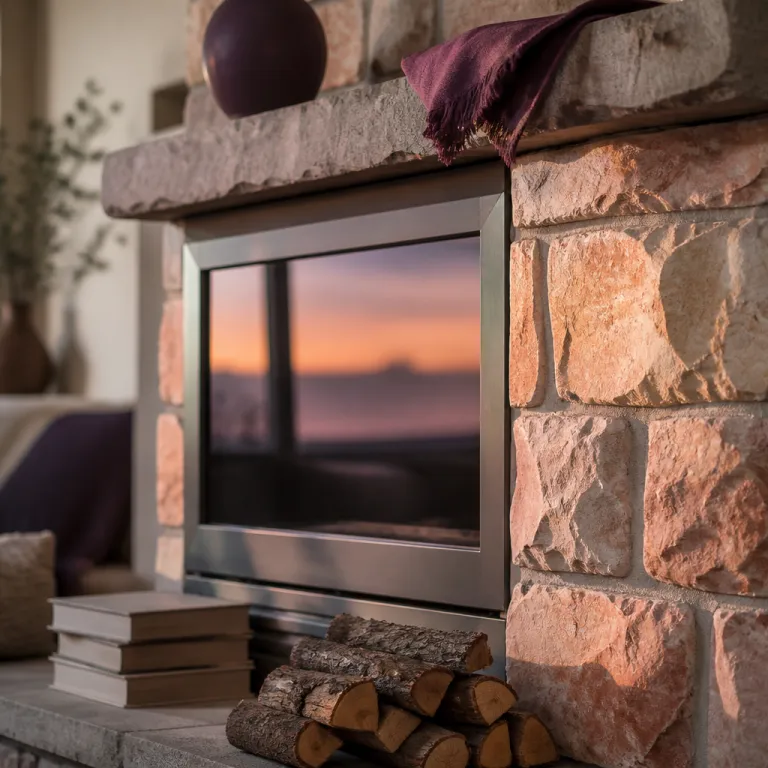
Why a stone fireplace surround matters for electric models
A carefully chosen stone fireplace surround can make an electric fireplace feel as substantial as a traditional masonry hearth. When the surround uses natural stone or high quality cast stone, the electric fire gains depth, shadow, and a tactile presence that a plain metal box can never provide. This combination turns a simple heater into a focal point that visually anchors the entire room.
Many people assume a stone fireplace is only for wood burning units, yet modern electric inserts fit beautifully inside mantels surrounds built from limestone, marble, or granite marble blends. The key is to treat the electric unit as the technical core and the stone fireplace surround as the architectural shell, with lines clean and proportions tailored to your living space. Done well, the surround, mantel, and electric fire will read as one seamless composition rather than separate parts.
For apartments or compact homes, a slim cast stone fireplace mantel with stone veneer returns can frame a wall mounted electric fireplace without adding excessive depth. This approach keeps the price and weight manageable while still delivering the natural beauty and color variation people expect from natural stone surrounds. When you plan the project, think of the surround as furniture scale architecture that must suit both the room size and your existing color palette.
Comparing natural stone, cast stone, and stone veneer surrounds
Choosing the right material for a stone fireplace surround starts with understanding how each option behaves around heat, light, and daily use. Natural stone such as limestone, marble, and granite offers unmatched natural beauty, but each stone type has a different feel, porosity, and maintenance profile. Cast stone and stone veneer imitate these looks with lighter weight and often a lower price, which can be crucial when you retrofit an electric fireplace into an existing wall.
Natural stone fireplace surrounds carved from solid limestone or granite marble slabs bring depth and crisp shadow lines clean enough for very modern interiors. A honed limestone cast surround will soften the light from the electric fire, while polished marble reflects flame effects and amplifies the sense of movement. Granite mantels and surrounds resist staining better than softer stone, which matters if the fireplace mantel doubles as a shelf for drinks, candles, or seasonal décor.
Cast stone fireplace mantels use a cement based material poured into molds, allowing intricate design details at a more accessible price point. Thin stone veneer panels can wrap a wall around the electric fireplace, creating a full height stone fireplace feature without the structural load of solid blocks. When you explore curated samples from suppliers, handle both the natural stone and the cast alternatives so you can help find the perfect stone choice that matches your room, your budget, and your long term expectations.
To frame the surround and extend the composition, many homeowners now pair stone fireplace mantels with custom shelving rather than heavy cabinetry. If you are considering floating shelves beside your electric fireplace surround, this guide on elegant custom floating shelves that frame your electric fireplace with style explains how shelf thickness, color, and material interact with stone. Coordinating these elements ensures the mantel, shelves, and stone surfaces feel like one coherent design rather than separate pieces competing for attention.
Design strategies to make stone surrounds work with electric technology
Electric fireplaces generate less heat at the wall surface than gas or wood units, which opens new design freedom for a stone fireplace surround. You can safely run natural stone or cast stone closer to the firebox opening, achieving a tighter, more modern fireplace surround profile with lines clean and minimal. This flexibility also allows bolder mantel projections and deeper mantels surrounds that frame the electric unit like a piece of art.
When you plan the design, think in layers, starting with the firebox, then the immediate surround, then the wider stone fireplace field, and finally the fireplace mantel. A narrow band of contrasting material, such as dark granite around a lighter limestone cast surround, can emphasize the flame opening and strengthen the focal point effect. In a small room, a seamless stone veneer from floor to ceiling can visually raise the ceiling height, while a strong horizontal mantel line will widen the wall and balance a large television.
Color decisions matter as much as material choice, because the electric flame will interact with every surface. A warm beige limestone or cream marble surround will soften cool LED flames, while a charcoal granite fireplace surround sharpens the contrast and feels more modern. If you are unsure how to coordinate the stone fireplace surround with furniture and flooring, this guide on how to choose fireplace mantels for electric fireplaces that elevate your space offers practical advice on mantel scale, color palette planning, and how the fireplace mantel can bridge between the fire and the rest of the living space.
Practical considerations: sizing, installation, and maintenance
Before you fall in love with a particular stone fireplace surround, measure the room and the electric unit with care. The surround should frame the fireplace without overwhelming the wall, and the mantel height must respect both viewing comfort and any television or artwork above. In many modern homes, a mantel between 1,100 and 1,300 millimetres above the floor works well, but the final choice will depend on seating height and sight lines.
Installation methods differ between solid natural stone, cast stone components, and lightweight stone veneer panels. Solid limestone or granite mantels often require structural support and careful handling, while cast stone pieces can be anchored to standard framing with appropriate brackets and adhesives. Stone veneer systems usually attach to cement board or prepared substrates, allowing you to wrap the entire fireplace wall and even adjacent range hoods in the same material for a seamless architectural language.
Maintenance should influence your material decision as much as initial price, especially in a busy living space. Honed limestone and some marble fireplace surrounds will need periodic sealing to resist stains from candles or drinks placed on the fireplace mantel, while dense granite mantels are more forgiving. Electric fireplaces also rely on LED technology, and if you ever need to service the unit behind your stone surround, this detailed guide on replacing the LED strip in an older electric fireplace explains how internal components work so you can plan access panels or removable mantel sections.
Styling the mantel and surround to suit your living space
Once the stone fireplace surround is installed, the way you style the fireplace mantel will determine whether the feature feels balanced or cluttered. A modern fireplace surround with lines clean and minimal usually benefits from restrained décor, such as a single large artwork, a pair of sculptural vases, and a low row of candles. Traditional mantels surrounds carved from marble or limestone cast elements can handle more layered arrangements, but they still need a clear focal point at the centre.
Think of the color palette on and around the mantel as an extension of the stone itself. If your surround uses warm natural stone, echo those tones in textiles and artwork, then add one or two contrasting colors to keep the room from feeling flat. A cool grey granite fireplace surround pairs well with black metal accents and pale timber shelves, while a creamy marble mantel invites brass, linen, and soft neutral ceramics.
Lighting also shapes how the stone fireplace reads after dark, especially with electric flames. Wall lights or concealed LED strips washing down the stone veneer will highlight the natural beauty of the material and emphasize the vertical lines of the design. When you explore curated lighting options, choose warm white temperatures so the stone, the electric fire, and the rest of the living space feel cohesive rather than fragmented.
Budget, value, and how to help find the perfect stone option
Budget planning for a stone fireplace surround should separate the cost of the electric unit, the surround material, and the labour for installation. Natural stone mantels and full height fireplace surrounds usually sit at the top of the price range, while cast stone and stone veneer systems offer similar visual impact with lower material and transport costs. The right balance will depend on whether the fireplace is a main architectural feature or a secondary comfort element in a multi purpose room.
When you compare quotes, ask suppliers to break down the price per square metre for each material, including any upcharges for complex design details. A simple, seamless cast stone surround with clean lines may cost less than a heavily profiled natural stone fireplace mantel, yet still deliver a strong focal point in a modern interior. If you plan to coordinate the stone with kitchen range hoods or other architectural elements, ordering all pieces together can sometimes reduce waste and secure better pricing on the perfect stone slabs.
To help find the best solution, bring physical samples of flooring, wall paint, and fabrics when you review stone options in a showroom. Lay your color palette against limestone, marble, granite, and cast stone pieces, then view them under both daylight and warm artificial light to see how the fireplace will feel at night. A thoughtful selection process ensures that your stone fireplace surround, your electric fire, and your wider living space work together for many years without feeling dated or mismatched.
Key figures and market insights for stone fireplace surrounds
- Industry reports from the Hearth, Patio & Barbecue Association indicate that electric fireplaces represent a substantial share of total fireplace shipments in North America, which continues to increase demand for lightweight stone fireplace surround solutions compatible with standard framing. Always consult the latest HPBA data for current percentages.
- Surveys from major stone suppliers suggest that engineered and cast stone products now account for a significant portion of interior stone installations, reflecting homeowner interest in the look of natural stone with lower price and easier installation. Exact market share varies by region and year, so treat these figures as directional rather than fixed.
- Design trend reports from large home improvement retailers consistently show that neutral color palettes dominated by beige, grey, and off white tones appear in a majority of fireplace surround projects, reinforcing the popularity of limestone and light marble finishes in contemporary interiors.
- Energy efficiency studies note that electric fireplaces convert most of their input electricity into usable heat at the point of use, since there is no flue loss as with vented gas or wood fires. Actual efficiency depends on the specific model and operating mode, so check manufacturer documentation rather than assuming a universal “100 percent” figure.
FAQ about stone fireplace surrounds for electric fireplaces
Can any electric fireplace be paired with a stone fireplace surround ?
Most electric fireplaces can be paired with a stone fireplace surround, provided you follow the manufacturer’s clearance requirements and ventilation guidelines. Because electric units produce less surface heat than gas or wood models, they are generally compatible with natural stone, cast stone, and stone veneer mantels surrounds. Always confirm dimensions and access needs before finalizing the surround design.
Is natural stone or cast stone better for a modern living space ?
Both natural stone and cast stone can work beautifully in a modern living space, but they offer different advantages. Natural stone such as limestone, marble, or granite delivers unique veining and natural beauty, while cast stone allows very crisp lines clean enough for minimalist designs at a lower price. Your choice should balance budget, desired texture, and how much variation you want in the fireplace surround.
How do I maintain a marble or limestone fireplace mantel around an electric fire ?
Marble and limestone fireplace mantels around electric fires mainly need protection from stains and scratches rather than heat damage. Use a penetrating stone sealer as recommended by the supplier, wipe spills promptly, and avoid abrasive cleaners that can dull the surface. Because electric fireplaces do not produce soot, maintenance is usually limited to gentle dusting and occasional resealing.
Can stone veneer create the same impact as a full depth stone fireplace ?
High quality stone veneer can create a visual effect very close to a full depth stone fireplace, especially when installed from floor to ceiling. Veneer panels are lighter and thinner, which simplifies installation around electric fireplaces and reduces structural demands on the wall. The main differences lie in edge details and tactile depth, which you can evaluate by comparing samples in person.
What size should a stone fireplace surround be in a small room ?
In a small room, the stone fireplace surround should be scaled to the wall width and seating distance so it feels proportional rather than overpowering. As a general guide, many designers keep the surround width between one half and two thirds of the wall, with a mantel height that allows comfortable viewing of the electric fire from seated positions. Adjustments for ceiling height, window placement, and any television above the mantel will refine the final dimensions.