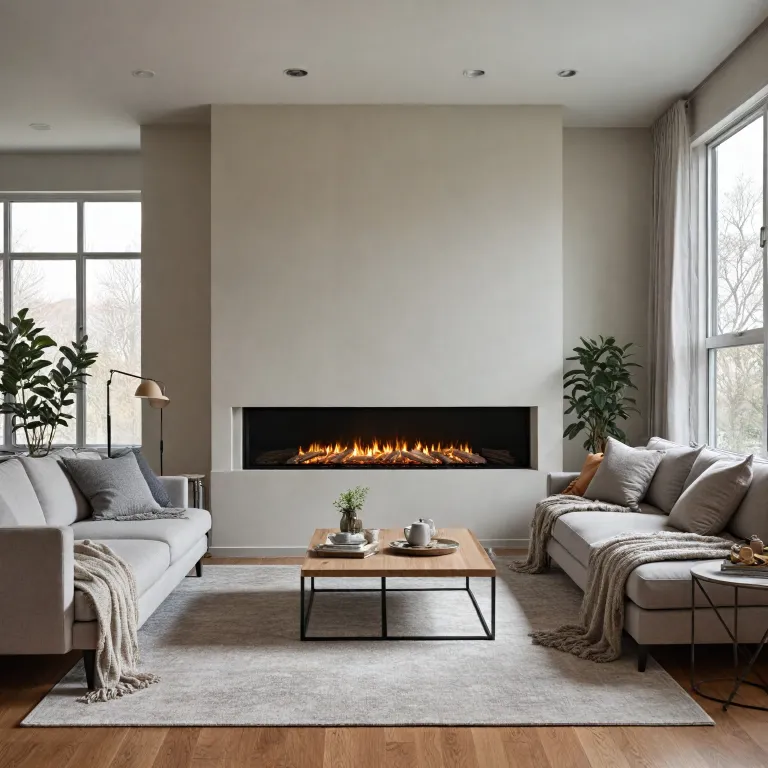

How electric fireplaces fit into the best way to heat a home
Choosing the best way to heat a home starts with understanding how you actually live. An electric fireplace can complement a primary heating system by adding efficient heat exactly where people gather, which often matters more than raw power on a specification sheet. In many houses, this targeted heating reduces overall energy use because you are not forcing a central system to push warm air into rarely used rooms.
When you use an electric fireplace as part of a broader heating system, you create zones that feel comfortable without overheating the whole house. This approach works especially well in an older home where insulation may be uneven and cold air tends to pool in specific corners or near large windows. By placing efficient heat in those problem areas, you can lower the thermostat for the rest of the home and still feel warm.
Electric fireplaces do not replace a well designed heat pump or other primary source of heat, but they can significantly improve perceived comfort. Because they convert almost all electric energy into heat, they offer predictable performance that is easy to control with a thermostat or remote. For many households, the best way to heat a home combines a central heating cooling system with localized electric units that address cold spots and reduce the need for higher whole house temperatures.
Comparing electric fireplaces with heat pumps and other systems
To evaluate the best way to heat a home, you need to compare electric fireplaces with heat pumps, boilers, and other systems on equal terms. A modern air source heat pump can deliver several units of heat for each unit of electric energy, while an electric fireplace converts one unit of electric power into roughly one unit of heat. This means the heat pump is usually more energy efficient for whole house heating, but the fireplace can still be the most efficient heat source for a single room.
In practice, many households pair a ducted heat pump system with one or two electric fireplaces in living areas. The ducted systems handle baseline heating and cooling, while the fireplaces provide efficient heat during evenings when people gather in one part of the home. This combination often reduces cost because you can run the main heating system at a lower temperature and rely on the fireplace to remove the feeling of cold air around seating areas.
For homes without existing ducts, a mini split heat pump with ductless heat heads in key rooms can work alongside an electric fireplace in the main living space. The mini split offers variable speed operation for excellent energy efficiency, and the fireplace adds visual comfort and quick heat when needed. If you want to refine the look of your unit, you can use custom screens for electric fireplaces to improve both aesthetics and perceived warmth without changing the underlying heating system.
Room by room comfort, insulation, and energy savings
The best way to heat a home is rarely about equipment alone, because insulation and air sealing often matter just as much as the heating system you choose. An electric fireplace will feel far more effective in a room where drafts are controlled and cold air is not leaking through gaps around windows or doors. Before upgrading any heating or cooling system, many experts recommend an energy audit to identify where the house is actually losing heat.
During an energy audit, technicians may use infrared cameras and blower doors to show how air moves through the home. These tests reveal whether you need better insulation in the attic, improved air sealing around recessed lights, or repairs to ducted systems that are leaking conditioned air into unheated spaces. When you address these issues, every source of heat in the house, from heat pumps to electric fireplaces, works more efficiently and delivers more comfort for the same cost.
In an older home, targeted improvements can transform how well an electric fireplace performs as part of a broader heating system. Adding insulation behind a feature wall, sealing gaps in floorboards, or improving window seals can prevent cold air from undermining the efficient heat produced by the unit. Once the building shell is improved, you can often reduce thermostat settings on both the main heating system and the fireplace while still feeling that the heat home strategy is working better than before.
Electric fireplaces, ducted heat, and ductless options
Many homeowners wonder how an electric fireplace fits with ducted heat and ductless heat options when planning the best way to heat a home. In a house with an existing ducted system, the fireplace usually serves as a supplemental source of efficient heat in the main living area, reducing the load on the central furnace or heat pump. This can be especially valuable on moderately cold days when you do not want to run the entire system at full capacity just to warm one frequently used room.
In homes that rely on ductless heat, such as mini split systems with wall mounted indoor units, an electric fireplace can provide both visual appeal and additional warmth during the coldest nights. The variable speed compressors in modern heat pumps maintain energy efficiency across a wide range of outdoor temperatures, but some people still feel more comfortable with a visible flame effect and radiant style heat. By combining these systems, you can balance objective energy efficiency with the subjective feeling of comfort that makes a house feel like a home.
When planning any new heating system, it is important to consider how air will circulate and whether cold air will linger near floors or windows. Electric fireplaces can help mix the air in a room, reducing temperature stratification and making the efficient heat from a central heat pump or other source more evenly distributed. For many households, the best way to heat a home involves a layered approach where electric units, ducted systems, and ductless options all play specific roles in keeping each space comfortable.
Cost, energy efficiency, and operating an electric fireplace wisely
Operating cost is central to any discussion about the best way to heat a home, and electric fireplaces are no exception. Because they run on electric power, their cost depends heavily on local tariffs, the efficiency of your broader heating system, and how long you operate them each day. Used strategically, they can provide efficient heat to a single room and reduce the need to run a whole house system at higher temperatures.
To maximize energy savings, many experts suggest using an electric fireplace primarily when people are present in the room and turning it off when the space is empty. Pairing the unit with a programmable thermostat or timer can help you avoid unnecessary heating and keep cost under control without sacrificing comfort. In a well insulated home with good air sealing, even a modest electric fireplace can maintain a comfortable temperature without fighting constant cold air infiltration.
When comparing options, remember that a high quality air source heat pump with variable speed operation will usually provide the lowest cost per unit of heat for whole house needs. However, the fireplace can still be the most efficient heat choice for short periods in a single room, especially in an older home where the main heating system may be oversized or less efficient. By understanding how each system contributes to overall energy efficiency, you can design a heat house strategy that balances comfort, cost, and environmental impact.
Electric fireplaces as part of a whole home comfort strategy
Thinking about the best way to heat a home means looking beyond equipment labels and considering how people actually use their spaces. An electric fireplace in a living room or bedroom can create a focal point that encourages family members to gather in one area, which in turn allows you to concentrate efficient heat where it matters most. This behavioral shift can reduce the need to keep every corner of the house at the same temperature, improving both comfort and energy efficiency.
In a home that already uses heat pumps or a traditional boiler, the fireplace becomes one more tool in a flexible heating system. You might rely on the air source heat pump for daytime heating and cooling, then use the electric unit in the evening when outside temperatures drop and cold air near windows becomes more noticeable. For some households, this layered approach to heating cooling allows them to lower the main thermostat by a few degrees, which can translate into meaningful energy savings over a season.
When planning such a strategy, it is helpful to review how realistic flame technologies and modern controls can influence comfort, and resources like guides to realistic electric fireplaces can inform those decisions. By combining thoughtful equipment choices with attention to insulation, air sealing, and room usage patterns, you can create a heat home plan that feels tailored rather than generic. In many cases, the best way to heat a home is not a single device but a coordinated system where each component, from heat pump to electric fireplace, plays a clearly defined role.
Planning upgrades, installations, and long term performance
Any serious assessment of the best way to heat a home should include a plan for future upgrades and maintenance. When you install an electric fireplace, you gain a flexible source of efficient heat that requires minimal servicing compared with combustion appliances, which simplifies long term ownership. At the same time, you should evaluate whether your existing heating system, whether a heat pump, boiler, or furnace, will remain adequate as the building envelope improves through better insulation and air sealing.
For many households, the next major step after adding an electric fireplace is to consider a modern heat pump or hybrid heating system. A variable speed air source heat pump can provide both heating and cooling, reducing reliance on older, less efficient systems and improving overall energy efficiency. When combined with targeted electric units, this approach can help an older home feel more comfortable while also lowering operating cost over time.
Before committing to major changes, commissioning a professional energy audit can clarify where investments will have the greatest impact on comfort and energy savings. The audit may reveal that modest improvements to ducted systems, such as sealing leaks or adding insulation around ducts, will significantly enhance the performance of both the central system and any supplemental electric heaters. By aligning installation decisions with measured data rather than assumptions, you can ensure that every component in your heat house strategy, from heat pumps to fireplaces, contributes effectively to the overall goal of a comfortable, efficient home.
Key statistics about home heating and electric fireplaces
- Upgrading insulation and air sealing can reduce residential heating energy use by up to 20 % in many climates.
- Modern air source heat pumps can deliver two to four times more heat per unit of electric energy than resistance based electric heaters.
- Zone based heating strategies, including supplemental electric fireplaces, can cut whole house heating costs by 10 to 15 % when used thoughtfully.
- In older homes, duct leakage can waste 15 to 30 % of the heat produced by central systems if not properly sealed.
Common questions about electric fireplaces and the best way to heat a home
Are electric fireplaces an efficient way to heat a room ?
Electric fireplaces convert nearly all the electric power they use into heat, so they are efficient at the point of use. They are well suited for heating a single room or zone, especially when combined with good insulation and air sealing. For whole house needs, a modern heat pump is usually more energy efficient, but the fireplace can still play a valuable supplemental role.
Can an electric fireplace heat an entire home ?
An electric fireplace is generally designed to heat one room rather than an entire house. While multiple units could theoretically heat a whole home, this approach is rarely the most cost effective or energy efficient. Most households achieve better results by pairing a central heating system, such as a heat pump, with one or two fireplaces in key living spaces.
How much does it cost to run an electric fireplace ?
The cost to run an electric fireplace depends on its power rating, local electric tariffs, and how many hours per day you use it. Because the units typically range from 1 to 2 kilowatts, you can estimate cost by multiplying the power by your tariff and usage time. Using the fireplace selectively in occupied rooms usually keeps operating cost reasonable while still providing comfortable heat.
Do electric fireplaces provide real heat or just visual effects ?
Most electric fireplaces provide both real heat and visual flame effects, although the two functions can often be controlled separately. The heating element works like a conventional electric heater, while the flame effect uses lights and reflectors to simulate burning logs. This separation allows you to enjoy the visual ambiance without heat in warmer months, or to use both together during cold weather.
How do electric fireplaces compare with gas fireplaces for home heating ?
Gas fireplaces can deliver higher heat output and may be more suitable as a primary heat source in some homes, but they require venting, fuel lines, and regular maintenance. Electric fireplaces are easier to install, need no flue, and offer flexible placement, making them ideal as supplemental heaters. When combined with an efficient central system and good insulation, they can contribute meaningfully to a balanced, comfortable home heating strategy.
References : ASHRAE residential heating guidelines ; International Energy Agency reports on heat pumps ; U.S. Department of Energy resources on home energy efficiency.