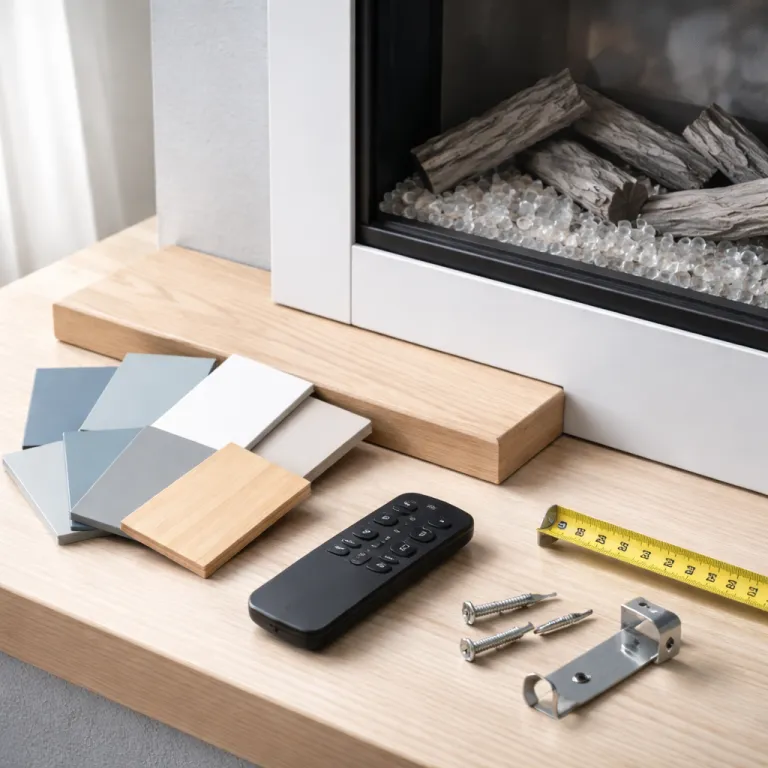
The four questions that actually lead you to the best electric fireplace
Choosing the best electric fireplace starts with four blunt questions, not with scrolling endless product grids. Before you fall for a dramatic flame or a glossy black frame, you need to decide on install type, room size, primary use and budget because those four answers quietly eliminate 80 percent of the wrong fireplaces. Once you frame the decision this way, the marketing noise around every electric fireplace, every heater and every insert becomes much easier to ignore.
First question: how will this thing sit in your room. You must choose between a freestanding fireplace heater, a wall mounted unit, a recessed linear model or a fireplace insert that slides into an existing opening, and each style changes the look of your living room and the way heat moves through the space. A freestanding electric fireplace with a built in fireplace mantel behaves like a piece of furniture, while a recessed fireplace electric unit becomes part of the fireplace wall and demands more planning but gives a cleaner, more traditional or modern finish.
Second question: what is the real size of the room you want to heat. Most electric fireplaces top out around 1 500 watts, which translates to roughly 4 600 to 5 100 BTU and practical zone heating for 18 to 25 square metres, so a single fireplace heater will not replace central heating in a large open plan. If your living room is bigger than that, you should treat the electric flame as ambiance first and the heat as a secondary bonus, or you should plan for multiple fireplaces or another heat source.
Third question: are you buying for fire aesthetics or for serious heating. If you mainly want a realistic flame and a calm focal point, you should prioritise models like the Dimplex Revillusion series that specialise in realistic flame effects and adjustable flame color rather than raw heat output. If you care more about heating performance, you should look at infrared fireplace heater designs such as the Duraflame DFI 5010 that push warm air efficiently while still giving a convincing electric fire in the background.
Fourth question: what is your honest budget ceiling for this project. Under roughly 400 euros, you are in the value tier where a basic wall mounted electric fireplace or a compact fireplace insert can still be the best electric choice if you accept fan noise and simpler control options. Between about 400 and 1 200 euros, you reach the zone where the best electric fireplace models add deeper flame control, quieter fans, better remote control ergonomics and more energy efficient heating modes that actually change how the fireplace feels after three winters.
Once you cross 1 200 euros, you are paying for realism, build quality and long term durability rather than raw heat. Premium electric fireplaces like the Dimplex Revillusion or the Modern Flames Orion series use multi layer flame systems, anti reflective glass and more robust components, which means the realistic flame still looks sharp when cheaper fireplaces have dimmed LEDs and rattling fans. The right answer to these four questions will point you toward a short list of electric fireplaces that fit your room, your energy costs and your tolerance for fan noise, instead of chasing the biggest flame on the box.
Install type ; freestanding, wall mounted, recessed or insert
Once you know what you want from the fire, install type is the next hard filter. A freestanding fireplace electric stove or cabinet is the easiest path to the best electric fireplace for renters or cautious homeowners, because it simply plugs into a standard electric outlet and can move with you. These freestanding fireplaces often mimic traditional fireplaces with a faux fireplace mantel, curved legs and a black metal body, and they work well as a fireplace heater for small rooms or bedrooms.
Wall mounted electric fireplaces change the equation because they hang like a television and turn a blank wall into a flame feature. A wall mounted unit keeps floor space clear, which matters in a narrow living room, but the heat usually blows from the front so you must keep furniture clear for safe heating and good air quality. Many of the best electric wall mounted models, such as the Touchstone Sideline series, offer adjustable flame settings, multiple flame color choices and a slim black frame that blends with modern décor.
Recessed fireplaces sit partly or fully inside the wall, which gives a cleaner fireplace wall and a more built in look. A recessed electric fireplace demands more planning because you must respect clearances, think about wiring and avoid stuffing insulation directly against the heater body, but the result feels closer to a traditional fireplace installation. If you want a wide linear flame stretching across the room, a recessed fireplace electric design is usually the best electric option, especially when paired with LED flame technology highlighted in many top electric fireplaces with LED flames roundups.
A fireplace insert is different again: it is designed to slide into an existing opening, usually a brick or stone cavity once used for wood burning fires. A good fireplace insert turns a cold, drafty hole into an efficient electric fireplace heater with a realistic flame and controllable heat, without the mess of logs or ash. Testing by Consumer Reports and similar reviewers has repeatedly favoured several fireplace insert models because they seal the old fireplace, improve energy efficiency and give you remote control over both flame and heat output, though specific rankings vary by model and test year.
If you have no existing cavity, a complete mantel package can be the most straightforward path to a traditional look. These packages combine an electric fireplace insert with a surround and mantel, giving you a ready made fireplace wall without masonry, and they often include adjustable flame brightness and multiple flame color options to suit different rooms. For many first time buyers, this mantel plus insert bundle is the best electric compromise between a freestanding stove and a fully recessed installation.
Whatever install type you choose, think about service access and long term living. A recessed or wall mounted electric fireplace that looks perfect on day one but requires cutting drywall to reach a failed heater or control board will not feel like the best electric fireplace after a few years. The right install type balances aesthetics, heating performance, maintenance access and the way you actually move through your living room every day.
Room size, heating reality and when an electric fireplace replaces a space heater
Marketing often pretends that one electric fireplace can heat an entire home, but physics disagrees. Most plug in electric fireplaces draw 1 500 watts, which caps the heat output and means they are best used for zone heating in a single room rather than as a whole house solution. If you treat an electric fireplace as a stylish, safer and more controllable replacement for a basic space heater, you will be much closer to reality.
Start by measuring your room in square metres and noting ceiling height. A typical 1 500 watt fireplace heater can comfortably support a well insulated room of about 18 to 25 square metres, while larger or poorly insulated spaces will feel only a gentle temperature lift, especially in colder climates. When you push a small heater to warm a big living room, it will run constantly, waste energy and still leave you reaching for a blanket.
Infrared fireplace heaters, such as the Duraflame DFI 5010, work differently from simple fan forced units. Instead of only warming the air, they radiate heat toward objects and people, which can feel more like sitting near a traditional wood burning fire even though the flame is electric and purely visual. In practice, an infrared fireplace heater can make a medium sized room feel warmer at the same wattage, though it still cannot break the basic 1 500 watt ceiling of a standard outlet.
Look closely at the heating controls and thermostat accuracy when you compare electric fireplaces. Cheaper fireplaces often have crude high or low switches and thermostats that drift several degrees, so the room swings between too hot and too cold, while better models offer precise digital control, timers and eco modes that trim energy use. A unit with a good remote control or app based control fireplace system lets you adjust heat and flame without leaving the sofa, which matters more in daily life than one extra flame color.
Some modern fireplace insert and wall mounted models now integrate Wi Fi and smart control. A Wi Fi enabled electric fireplace insert with app based smart control and a built in thermostat can maintain a steady temperature, schedule heating around your routine and even report energy consumption, which helps you manage costs. When you combine that with a recessed or wall mounted installation, you get a clean fireplace wall, realistic flame effects and heating that behaves more like a modern appliance than a decorative toy.
Remember that every watt of electric heat becomes room heat, so efficiency differences mostly come from how well the fireplace directs and controls that heat. An energy efficient electric fireplace will use better fans, smarter thermostats and zoning features to avoid overheating, which protects both your energy bill and your indoor air quality by preventing hot and cold drafts. The best electric fireplace for heating is rarely the one with the highest claimed BTU; it is the one that quietly keeps your chosen room comfortable without constant fiddling.
Ambiance, flame realism and why premium models cost more
Once heating needs are clear, most buyers fixate on the flame, and rightly so. The difference between a cheap electric flame and a high end realistic flame is what separates a fireplace you ignore from one you actually sit in front of every evening. Realism comes from how the light interacts with the logs, the background and the glass, not just from the number of flame color choices in the menu.
Entry level electric fireplaces often use simple rotating mirrors and basic LEDs. These can create a passable fire effect in a dark room, but in daylight the flame can look flat, repetitive and obviously electric, especially when the logs are shiny plastic and the black interior reflects the room. Over time, the LEDs in these fireplaces may dim or shift colour, which makes the flame look even less like a traditional fire.
Premium models such as the Dimplex Revillusion and Modern Flames Orion series take a different approach. They use multi layer flame systems, partially frosted or holographic panels and carefully tuned ember beds to create depth, so the realistic flame appears to rise from within the logs rather than from a flat screen. In side by side tests reported by manufacturers and independent reviewers, these fireplaces look more like traditional fireplaces with real fire, especially when viewed off axis in a bright living room.
Adjustable flame controls also matter more than you might expect. Being able to change flame height, speed and flame color lets you match the fire to different moods, from a low amber glow on a quiet night to a brighter, more active flame when guests arrive. The best electric fireplaces keep these options accessible on the remote control or app, rather than burying them in awkward button sequences that you forget after a week.
Do not ignore the background and frame when you judge ambiance. A matte black interior reduces reflections and makes the flame stand out, while a well proportioned fireplace mantel or surround can make even a modest fireplace insert feel like a permanent architectural feature. If you want to understand how advanced flame systems, design and control come together, a detailed guide on how an Amantii electric fireplace elevates comfort, design and control at home offers a useful case study in modern electric fireplace engineering.
In the end, you are paying for how the fireplace looks and feels on its thousandth hour, not just on the showroom floor. A premium electric fireplace that maintains a convincing realistic flame, quiet operation and precise control after years of use will feel like money well spent, while a cheaper unit with buzzing fans and faded flames will quietly push you back to the sofa with the television. The best electric fireplace is the one that still makes you pause and watch the fire after a long day, even when the heater is off.
Budget tiers, model examples and where to spend or save
Budget is not just a number; it is a map of trade offs. Under roughly 400 euros, you are shopping in the value tier where the best electric fireplace is usually a solid, no nonsense unit like the Duraflame DFI 5010 or a basic Touchstone wall mounted model. These fireplaces give you reliable heat, a decent flame and simple remote control, but you should expect more fan noise, fewer flame options and plainer materials.
In this lower tier, focus on core safety and heating performance. Look for CSA or equivalent certification, a cool touch exterior and a fireplace heater that can run for hours without hot smells or rattles, because these details matter more than an extra flame color or a glossy black trim. A compact fireplace insert in this range can still transform an unused masonry opening into a practical electric fireplace, especially if you mainly want to cut drafts and add a gentle fire effect.
The mid tier, roughly 400 to 1 200 euros, is where many homeowners find the real sweet spot. Here you see better built electric fireplaces like the PuraFlame Klaus, higher end Touchstone Sideline models and some well designed mantel packages that combine a fireplace insert with furniture grade surrounds. These fireplaces usually offer more realistic flame effects, quieter fans, finer control over heating and better materials on the fireplace wall and mantel.
In this band, it is worth paying for adjustable flame features and robust control systems. A good remote control with clear buttons, a readable display and separate controls for flame and heat will change how often you actually use the fireplace, while a timer and thermostat help manage energy use without constant tweaking. When you compare options, think about how the fireplace will feel in your living room at eleven at night in January, not just how it looks in product photos.
Above 1 200 euros, you enter the premium tier with models like the Dimplex Revillusion, Modern Flames Orion and some high end PuraFlame Western style units that mimic traditional fireplaces with deep log sets. Here, the extra money buys more convincing realistic flame technology, anti reflective glass, heavier steel bodies and better long term reliability, rather than more raw heat. If you are replacing a beloved wood burning fireplace and want to keep the ritual without the mess, this is usually where you should look.
Spending more also makes sense if the fireplace will be a permanent focal point in a main living room. A premium fireplace electric insert with a well designed fireplace mantel can anchor the entire room, support better air quality by sealing an old chimney and provide controllable heat for many winters. The best electric choice is not always the most expensive, but it is rarely the very cheapest unit in a crowded category.
What to avoid ; common electric fireplace mistakes and weak categories
Not every electric fireplace deserves a place in your home, no matter how many stars it has online. Some categories and design choices consistently disappoint in long term testing, especially when buyers chase the biggest flame or the lowest price without thinking about control, heating or room fit. Knowing what to avoid is as important as knowing which models shine.
First, be wary of ultra slim, no name wall mounted fireplaces that promise huge flames and silent heat at bargain prices. These units often use undersized fans, thin metal and basic control boards, which can lead to hot spots, noisy operation and early failures, especially when run as a primary heater in a busy living room. Their flame effects may look dramatic in dark marketing photos but appear flat and obviously electric in real daylight.
Second, avoid treating any electric fireplace as a direct replacement for a central heating system. A single 1 500 watt fireplace heater, no matter how advanced, cannot heat a large open plan space the way a properly sized boiler or heat pump can, and pushing it to do so will waste energy and shorten its life. Use electric fireplaces for zone heating and ambiance, and let your main system handle the heavy lifting.
Third, be cautious with very cheap fireplace inserts meant to revive old wood burning cavities. If the insert does not properly block drafts or seal the opening, you can end up with worse energy performance than before, plus a rattling electric box inside a cold chimney. A well designed fireplace insert should improve energy efficiency, not just add a fake flame in front of a drafty hole.
Fourth, do not ignore control quality and user interface. A fireplace electric unit with a confusing remote, tiny icons and no feedback will frustrate you every evening, while a clear control panel and responsive remote control make it easy to adjust flame, heat and timer without thinking. When possible, choose electric fireplaces that separate flame and heat functions, so you can enjoy the realistic flame without adding heat in warmer months.
Finally, be sceptical of any electric fireplace that leans heavily on vague claims about energy savings without context. All electric heaters convert power to heat at nearly the same efficiency, so the real gains come from smart control, good thermostats and using zone heating wisely, not from mysterious internal technology. The best electric fireplace is honest about its limits, fits your room and habits, and respects both your energy bill and your air quality over many seasons, not just during the first week after installation.
Traditional look, air quality and how electric compares with wood burning
Many homeowners arrive at electric fireplaces after years of wrestling with wood burning stoves or open fires. They want the traditional fireplaces look, the sense of a live fire and a solid fireplace mantel, but they are tired of soot, smoke and the constant work of hauling logs. Electric fireplaces exist precisely in this gap between romance and reality.
From an air quality perspective, the difference is stark. A wood burning fireplace releases fine particulates and combustion gases into the air, even with a good chimney, while an electric fireplace produces no on site emissions and only moves room air across a heater element or infrared emitter. For households with asthma, allergies or small children, this alone can make an electric fireplace the best electric choice for a main living room.
Visually, modern electric fireplaces have closed much of the gap with traditional fireplaces. Deep log sets, ember beds and realistic flame projections, especially in models like the Dimplex Revillusion or some PuraFlame Western themed units, create a convincing illusion of depth and movement behind the glass. When paired with a well proportioned fireplace mantel and a thoughtfully designed fireplace wall, the overall effect can feel surprisingly close to a classic hearth.
Control is another major difference. With a wood burning fire, you manage heat by adjusting air vents and adding logs, which is slow and imprecise, while an electric fireplace lets you dial in heat output, flame brightness and even flame color with a remote control or app. This level of control fireplace behaviour means you can enjoy the visual fire without overheating the room, or run the heater quietly in the background with a lower, calmer flame.
Energy use also shifts from fuel storage to predictable electricity consumption. Instead of stacking wood and cleaning ash, you pay for kilowatt hours, which you can track and manage with thermostats, timers and smart plugs, especially on modern electric fireplaces with advanced control options. In regions where electricity is relatively clean, this can reduce the overall environmental impact compared with constant wood burning, though the exact balance depends on your local grid.
For many households, the best electric fireplace is not trying to perfectly imitate every quirk of a real fire. It aims to deliver a stable, realistic flame, safe and controllable heat, and a traditional or modern frame that suits the room, while quietly improving air quality and reducing daily hassle. In other words, the real test is not the log pattern in the showroom, but the tenth winter in your living room.
Key figures and statistics about electric fireplaces
- Market research from several appliance industry reports indicates that electric fireplaces now account for roughly 40 to 50 percent of new residential fireplace installations in many urban areas, reflecting a steady shift away from wood burning units in favour of cleaner, easier to control heating; always check the latest regional data, as adoption rates vary by country and study.
- Standard plug in electric fireplaces typically use 1 500 watts of power, which translates to about 1,5 kilowatt hours per hour of full power operation; at an electricity price of 0,20 euros per kilowatt hour, this equals roughly 0,30 euros per hour of maximum heat output, a figure you can adjust using your own tariff.
- Independent lab tests cited by Consumer Reports and other product testing organisations have found that many electric fireplace inserts can raise the temperature of a 18 to 23 square metre room by 4 to 6 degrees Celsius within one hour, confirming their suitability for zone heating rather than whole house heating; exact results depend on insulation, layout and starting temperature.
- Comparative air quality studies from environmental health agencies show that replacing a frequently used wood burning fireplace with an electric fireplace can reduce indoor fine particulate levels by more than 60 percent, significantly improving respiratory comfort for sensitive occupants; specific percentages depend on the home and usage pattern.
- Energy efficiency analyses from building performance organisations note that sealing an old masonry fireplace opening and installing a properly fitted electric fireplace insert can cut heat loss through that wall section by up to 30 percent, especially in older homes with unlined chimneys, though actual savings depend on insulation and climate.
FAQ about choosing the best electric fireplace
How big a room can an electric fireplace realistically heat
A typical plug in electric fireplace rated at 1 500 watts can comfortably provide zone heating for a well insulated room of about 18 to 25 square metres. In larger or poorly insulated spaces, it will still add warmth but will not replace a central heating system, so you should treat it as a supplemental heater. For very large open plan areas, consider multiple fireplaces or rely on your main heating and use the electric unit mainly for ambiance.
Is an electric fireplace cheaper to run than a wood burning fireplace
The running cost of an electric fireplace depends on your electricity price, but it is usually more predictable than buying firewood. Every kilowatt hour of electricity becomes heat, so you can estimate costs accurately, while wood prices and quality vary widely. In many cases, especially where wood is expensive or storage is limited, an electric fireplace used for targeted zone heating can be more economical over time.
Can I install a recessed or wall mounted electric fireplace myself
Many wall mounted electric fireplaces are designed for competent DIY installation, similar to hanging a heavy television, as long as you follow the manufacturer’s instructions and respect clearances. Fully recessed units may require cutting into walls, checking for studs and wiring, and sometimes adding a dedicated circuit, which can justify hiring a qualified electrician or contractor. If you are unsure about electrical safety or structural issues, professional installation is the safer path.
Do electric fireplaces improve or worsen indoor air quality
Electric fireplaces generally improve indoor air quality compared with wood burning fireplaces because they produce no smoke, soot or combustion gases inside the home. They simply move existing room air across a heater element or infrared emitter, so there are no new pollutants added, though you should still keep dust filters and vents clean. For households with asthma, allergies or respiratory concerns, this cleaner operation is a major advantage.
What features matter most when comparing electric fireplace models
The most important features are appropriate heating capacity for your room, realistic flame quality, quiet and reliable fans, and intuitive controls with separate settings for flame and heat. Safety certifications, cool touch surfaces and timers also matter, especially in homes with children or pets. Extras like multiple flame color options, smart home integration and elaborate ember beds are nice to have, but they should come after you are satisfied with core heating and control performance.
Electric fireplace comparison table ; heat, coverage and price tiers
| Example model | Wattage | Approx. BTU | Suggested room size | Typical noise level | Price tier | Signature features |
|---|---|---|---|---|---|---|
| Duraflame DFI 5010 | 1 500 W | ≈ 5 100 BTU | 18–23 m² | Audible fan, acceptable for small rooms | Value (< 400 €) | Infrared heater, compact freestanding stove, simple remote |
| Touchstone Sideline (typical 50" class) | 1 500 W | ≈ 5 000 BTU | 18–25 m² | Moderate fan noise, quieter than basic wall units | Mid tier (≈ 400–1 200 €) | Recessed or wall mounted, multiple flame colors, slim black frame |
| PuraFlame Klaus insert | 1 350–1 500 W | ≈ 4 600–5 100 BTU | 18–25 m² | Quiet fan, suitable for main living areas | Mid tier (≈ 400–1 200 €) | Traditional log set, thermostat, timer, furniture grade trim options |
| Dimplex Revillusion (typical 30–36" insert) | 1 500 W | ≈ 5 100 BTU | 18–25 m² | Low fan noise, designed for frequent use | Premium (> 1 200 €) | Multi layer flame, anti reflective glass, deep ember bed, advanced controls |
| Modern Flames Orion linear | 1 500 W | ≈ 5 000 BTU | 18–25 m² (wider visual span) | Quiet operation, suited to open plan walls | Premium (> 1 200 €) | Wide panoramic flame, LED ember media, smart control, ultra realistic visuals |