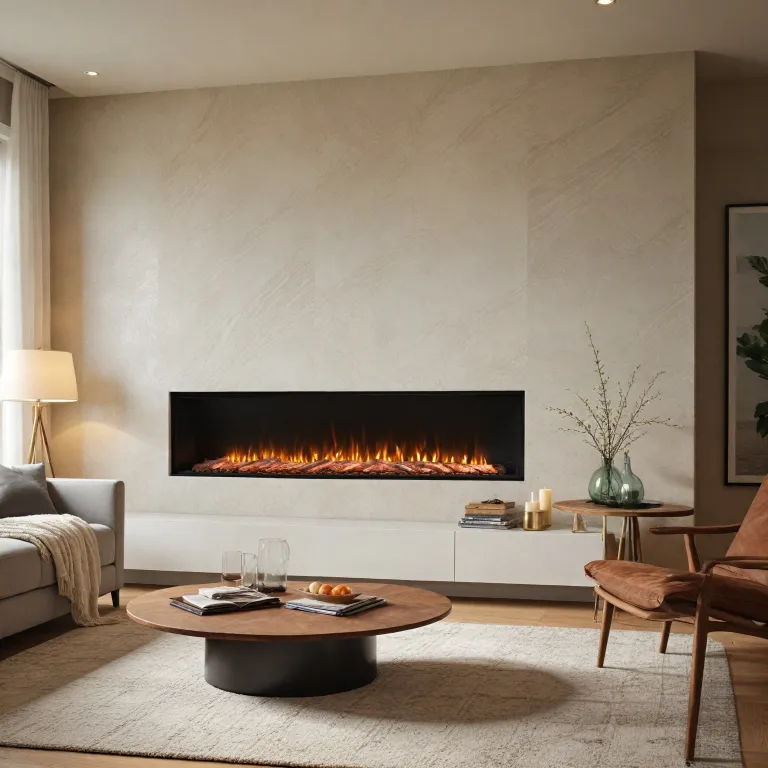

How electric fireplaces fit into modern home heating options
Electric fireplaces now sit at the crossroads of style and practical home heating. They complement existing heating systems rather than replacing a primary system, which makes them attractive for apartments and well insulated homes. In many living areas, an electric unit adds targeted heat while the main system maintains background comfort.
Understanding how much heat you actually need in each room is essential. Central heating systems often push warm air to every floor even when only one room is occupied, which wastes energy and reduces overall efficiency. By contrast, an electric fireplace works like the most refined of space heaters, focusing warmth where people actually sit and relax.
In a typical home, the main hvac system handles baseline heating and cooling. An electric fireplace then acts as a flexible heating system that can be switched on only when the room is in use, improving energy efficiency without major renovations. This layered approach to home heating options lets you keep the boiler, heat pump, or forced air system running at a lower setting while the fireplace provides gentle, visible heat.
Because these units are electric, they avoid combustion gases and hot water plumbing. They can be integrated into living rooms, bedrooms, or even home offices as decorative heaters that still contribute meaningful heat output. When combined thoughtfully with existing heating systems and efficient controls, electric fireplaces become a subtle but powerful tool in a modern energy efficient home.
Comparing electric fireplaces with other home heating systems
When you compare home heating options, electric fireplaces sit alongside heat pumps, boilers, and ductless mini split units. A central heat pump or gas boiler remains more suitable as a whole home heating system, especially in colder climates with high heat demand. However, electric fireplaces shine when you evaluate comfort per room and flexibility of installation.
Traditional forced air hvac systems move warm air through ducts to every room. This type of hvac system can be efficient when well maintained, yet it often overheats some rooms while leaving others cool, which encourages people to add portable space heaters. An electric fireplace offers a more elegant alternative to such heaters, providing both visual ambience and controlled heat in the specific room where you spend evenings.
Hydronic systems that use hot water and a boiler deliver very even heat, particularly when combined with radiant floor heating. Still, they are expensive to retrofit, whereas an electric fireplace can be added without touching the existing heating system or hot water pipes. For people considering niche solutions like decorative alcohol burners, it is important to understand that only some alternatives, such as those explained in this guide to ethyl alcohol fireplaces, provide limited heat compared with a dedicated electric unit.
Heat pumps and ductless mini split systems excel in energy efficiency, especially modern heat pumps with inverter technology. Yet even these efficient systems sometimes leave a living room feeling cool during shoulder seasons when the whole home system barely runs. In that context, an electric fireplace becomes a targeted heating system that supports comfort without undermining the overall energy efficiency strategy of the home.
Energy efficiency, running costs, and electric fireplace performance
Evaluating energy efficiency is crucial when you weigh different home heating options. Electric fireplaces convert nearly all input electricity into heat, which makes them efficient at the point of use, although the broader efficiency depends on how the electricity is generated. In contrast, natural gas boilers and heat pumps may deliver more heat per unit of primary energy, especially when the heat pump operates in a mild climate.
In a typical home, the main hvac system sets the baseline temperature, while electric fireplaces handle comfort in a specific room. This zoning effect can reduce the need to run forced air systems or central heating systems at higher temperatures, which supports better energy efficiency. When you lower the thermostat for the whole home and rely on an electric fireplace in the living room, you effectively treat it as one of several space heaters, but with more controlled heat and safer operation.
Some homeowners pair electric fireplaces with ductless mini split heat pumps to balance aesthetics and performance. The mini split or multiple mini splits handle primary heating and cooling, while the fireplace adds radiant style and supplemental heat on the main floor. For renters or people who cannot install a full hvac system, a high quality electric fireplace can function as a semi permanent heating system that is still easier to move than a boiler or ducted forced air unit.
Running costs depend on local electricity prices and how often the unit operates with heat rather than flame effect only. Many models allow you to enjoy the visual flame without heat, which means you can use them even when the air is already warm from other heating systems. For readers interested in design forward yet practical units, this overview of modern tabletop fireplaces illustrates how decorative elements can coexist with efficient heat sources in a coherent home heating plan.
Electric fireplaces, zoning, and room by room comfort
Room by room zoning is one of the most powerful strategies in modern home heating options. Instead of relying solely on a central hvac system to push warm air everywhere, you can combine a modest baseline temperature with targeted heaters in the rooms you use most. Electric fireplaces are particularly well suited to this approach because they blend into living spaces while still delivering measurable heat.
Consider a two floor home where the main heating system is a heat pump connected to a ducted forced air network. The bedrooms on the upper floor may stay comfortable from residual heat, while the ground floor living room feels cool in the evening, especially with large windows and air movement. Adding an electric fireplace in that room lets you raise the local air temperature without increasing the set point for the entire hvac system, which improves overall energy efficiency.
In homes with radiant floor heating or a boiler based hot water system, the response time can be slow when you want quick heat. An electric fireplace acts like a refined space heater, providing immediate heat while the floor heating or hot water system gradually catches up. This layered strategy respects the strengths of each heating system and avoids overloading any single unit, whether it is a heat pump, boiler, or ductless mini split.
For people exploring built in units, this guide to top built in electric fireplaces shows how a single appliance can transform both comfort and design in a main room. When combined with ductless mini systems or mini splits in other areas, you can create a flexible network of heating and cooling units that respond precisely to how you actually live in your home. Such zoning reduces wasted energy and supports a more efficient, comfortable, and elegant interior climate.
Integrating electric fireplaces with heat pumps and hvac systems
Many homeowners now pair electric fireplaces with advanced heat pumps and modern hvac systems. A central heat pump or multiple ductless mini split units handle the bulk of heating and cooling, while the fireplace provides supplemental heat and visual focus in the main room. This combination leverages the high efficiency of heat pumps with the targeted comfort of a room specific heater.
In homes that rely on natural gas boilers or forced air furnaces, an electric fireplace can reduce runtime for the main heating system. By raising the temperature in the living area, you can lower the thermostat setting for the rest of the home, which cuts fuel use and supports better energy efficiency. Over time, this strategy may offset part of the electricity cost of running the fireplace, especially in well insulated homes where small heaters make a noticeable difference.
Electric fireplaces also integrate well with radiant floor heating systems. The radiant floor maintains a gentle background heat, while the fireplace adds quick, controllable heat and a focal point for the room. This dual approach is particularly effective in open plan spaces where air movement and high ceilings can make a single heating system struggle to maintain even heat.
For apartments or compact homes without a full hvac system, pairing a high quality electric fireplace with one or two mini splits can create a flexible heating and cooling network. The mini splits manage air conditioning and primary heat, while the fireplace serves as both a design feature and a practical heater on the main floor. When you evaluate home heating options through this integrated lens, electric fireplaces emerge as a versatile component rather than a standalone gadget.
Safety, maintenance, and choosing the right electric fireplace
Safety and maintenance are central concerns when comparing home heating options. Electric fireplaces have a clear advantage over many space heaters because they are fixed in place, use enclosed heating elements, and often include safety features such as automatic shutoff. Unlike natural gas units or boilers, they do not require flues, combustion air supplies, or regular checks for carbon monoxide.
From a maintenance perspective, electric fireplaces demand far less attention than traditional heating systems. There is no hot water to leak, no pump to service, and no burner to clean, which contrasts sharply with the ongoing care needed for a boiler or complex hvac system. Most owners simply dust the unit, occasionally replace decorative media, and ensure that the air inlets and outlets remain unobstructed for efficient heat transfer.
When selecting a model, consider the size of the room, the existing heating system, and how the fireplace will interact with other heaters or heat pumps. A small bedroom may only need a compact unit, while a large open plan living area on the main floor might benefit from a wider fireplace that distributes heat more evenly. Matching the output of the electric fireplace to the room’s heat loss helps maintain energy efficiency and avoids over reliance on either the fireplace or the central heating system.
It is also wise to think about how the fireplace will work alongside ductless mini split systems, radiant floor heating, or forced air units. A well chosen model can reduce the need for portable space heaters and support a more balanced hvac system overall. By treating the electric fireplace as one part of a coordinated network of heating and cooling units, you can achieve a comfortable, efficient, and visually appealing home environment.
Common questions about electric fireplaces and home heating options
How much heat can an electric fireplace provide in a typical room ?
Most standard electric fireplaces for residential use provide around 1 000 to 2 000 watts of heat, which suits many small to medium rooms. In a well insulated home, this output can significantly reduce the need for central heating systems in that specific room. However, they are generally intended as supplemental heaters rather than full replacements for a primary heating system.
Are electric fireplaces more energy efficient than traditional space heaters ?
Electric fireplaces and traditional electric space heaters both convert nearly all input electricity into heat, so their direct efficiency is similar. The main difference lies in safety features, heat distribution, and how they integrate with broader home heating options. Because electric fireplaces are usually fixed and better designed, they can support safer and more controlled use within an overall hvac system.
Can an electric fireplace replace a central heating system in a home ?
An electric fireplace is not designed to replace a central heating system in most climates. It works best as a supplemental heater that enhances comfort in key rooms while the main hvac system, boiler, or heat pump maintains baseline temperatures. Relying solely on fireplaces or space heaters can lead to uneven heat and reduced overall energy efficiency.
How do electric fireplaces interact with heat pumps and mini splits ?
Electric fireplaces pair well with heat pumps and ductless mini split systems by providing targeted heat where people gather. The heat pump or mini splits handle primary heating and cooling, while the fireplace adds localized warmth and ambience without overloading the hvac system. This combination can improve comfort and support better energy efficiency, especially in open plan living areas.
What maintenance do electric fireplaces require compared with boilers or forced air systems ?
Electric fireplaces require minimal maintenance compared with boilers, hot water systems, or forced air furnaces. There are no burners, pumps, or ducts to service, and most tasks involve simple cleaning and occasional checks of electrical connections. This low maintenance profile makes them an attractive component in a broader network of home heating options.