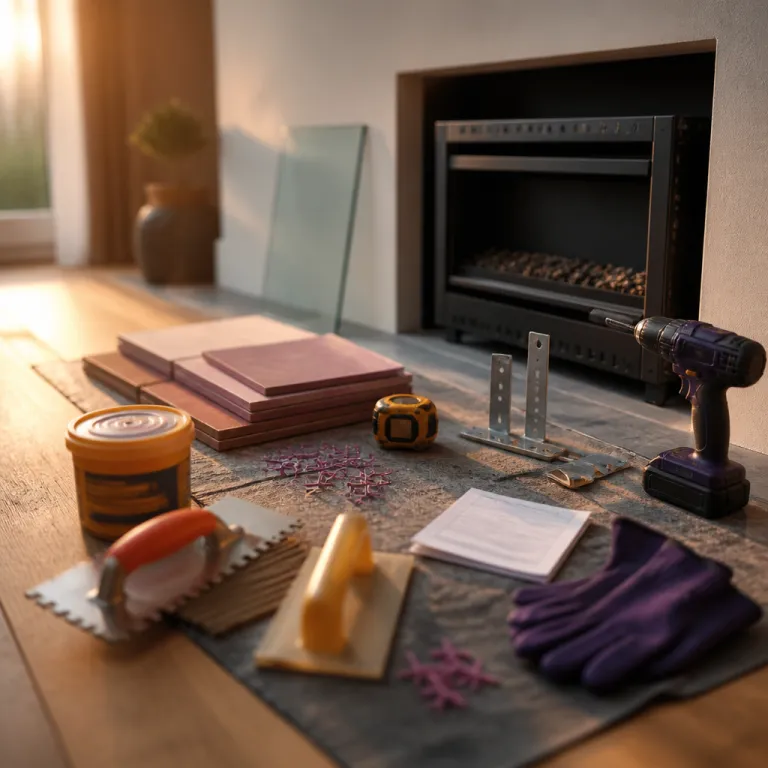

What is a fireplace hearth in a modern home
A fireplace hearth is the non-combustible floor area directly under and in front of the fire opening. In a traditional masonry fireplace this base is usually built from dense stone or brick and projects several inches into the room to shield the surrounding floor from heat and stray embers. When people ask what is a fireplace hearth today, they are often balancing safety regulations with interior design ambitions.
At its core, the hearth is a protective platform that separates any live fire from nearby combustible materials such as timber floors, rugs, or furniture. Building codes typically specify minimum hearth extension dimensions in millimetres or inches in front of and to each side of the fireplace opening, and these rules apply to many gas fireplace and wood-burning fireplace installations. Even when you install electric fireplaces that do not produce real flames, a well-proportioned hearth base still frames the feature and anchors it visually in the house.
Modern hearths can be flush with the floor or raised on a low plinth, and both options change how the room feels. A raised stone or cast-iron edge signals a more traditional chimney-breast aesthetic, while a sleek black porcelain slab suits a contemporary wall-mounted electric fireplace. Whether you prefer rustic hearth designs or minimalist platforms in smooth concrete, the principle remains the same: create a safe and durable surface around the fire that respects both manufacturer instructions and local regulations.
Key functions of the hearth for gas, wood and electric fireplaces
For open wood-burning fireplaces, the hearth has always been the first line of defence against rolling logs and stray sparks. The non-combustible materials used in these installations, such as natural stone or thick ceramic tiles, absorb heat and prevent embers from reaching carpets or timber boards. Even when you install fireplace inserts to improve efficiency, the hearth extension in front of the appliance still plays a vital safety role by catching debris and providing a stable working area for tending the fire.
In a gas fireplace installation, the visible flames come from carefully arranged gas logs that sit inside a sealed or semi-sealed firebox. Here the hearth surface mainly protects against radiant heat and offers a stable base for the appliance, while also providing a clear visual boundary that keeps people from standing too close to the flames. Many manufacturers specify exact inches of non-combustible hearth extension for each model, and these measurements should always be respected when planning what hearth layout will work in your room.
Electric fireplaces do not burn fuel or produce combustion gases, yet the hearth still matters for both safety and style. A freestanding electric fireplace placed on a robust platform is less likely to be knocked or tipped, especially in a busy family room with children or pets. When you mount a television above the fireplace opening, pairing a certified pull-down TV mount with a correctly sized hearth base helps maintain safe viewing heights and clearances, and detailed guidance on this can be found in specialist above-fireplace installation resources from recognised mount manufacturers.
Materials and finishes that shape the character of a hearth
The choice of hearth materials has a powerful impact on both safety and aesthetics. Dense natural stone such as granite, slate, or basalt remains popular because it resists heat, stains, and mechanical wear from logs or fireplace tools. When you ask what is a fireplace hearth in a design context, you are really asking how this slab of stone or tile will define the mood of the entire room.
Cast iron and steel have long been used for decorative hearth trims and fenders, especially in period houses where a black iron frame outlines the fireplace opening. These metal details can protect the edges of more fragile hearths made from ceramic tiles while also echoing the iron components of stoves, grates, and andirons that hold the fire safely. In contemporary interiors, a slim black steel strip at the front of the hearth extension can create a crisp visual line between the fireplace base and the surrounding floor.
For electric fireplaces and modern gas fireplace inserts, large-format porcelain tiles or engineered stone slabs offer a clean, low-maintenance option. These surfaces can be cut to precise front and side dimensions, allowing you to create a perfectly proportioned hearth that aligns with built-in cabinetry or a feature wall. To complement the hearth visually, many designers add decorative fireplace screens that filter the view of the flames and elevate the look of every room, and curated examples of such elegant screens are widely discussed in interior décor publications.
How hearth size, shape and wall placement influence safety
The dimensions of a fireplace hearth are never arbitrary, because they are governed by both safety standards and practical use. Building regulations usually define minimum hearth extension distances in front and to the sides of the fire opening, with larger projections required for open-burning fireplaces than for sealed gas or electric models. When planning what hearth layout suits your house, you should always start by checking the appliance manual and local code requirements.
For a traditional open fireplace, the hearth extension in front of the firebox often projects at least 300 millimetres into the room, and sometimes more for larger hearth designs. This generous platform ensures that any rolling logs or falling embers land on non-combustible materials rather than on timber floors or rugs, which dramatically reduces the risk of accidental fires. In contrast, many electric fireplaces and sealed gas fireplace inserts can be installed with a slimmer hearth profile, because they do not allow burning fuel to escape into the room.
Wall placement also affects hearth design, especially when the fireplace sits on an internal partition rather than a full masonry chimney breast. A corner hearth may need a carefully shaped stone or tile platform that wraps around the angle of the wall while still providing the required projection in front of the opening. When you add layered lighting such as battery-powered wall sconces around the feature, the hearth becomes part of a wider composition that balances safety, comfort, and visual focus in the room.
Integrating hearths into electric fireplace mantels and surrounds
Electric fireplace mantels and surrounds have transformed how people think about the hearth in contemporary living spaces. Instead of being tied to a heavy masonry chimney, many electric fireplaces come as modular units where the hearth, surround, and mantel shelf are built from lightweight yet non-combustible materials. These systems allow you to position a fireplace feature on almost any suitable wall in the house, provided that electrical and clearance requirements are respected.
In such installations, the hearth extension often serves more as a visual base than as a shield against live embers, yet it still needs to be robust and stable. A low platform in engineered stone or painted concrete can support the weight of the electric fireplace while also providing a ledge for decorative objects such as lanterns, vases, or neatly stacked books. When readers ask what is a fireplace hearth in the context of electric fireplaces, the answer increasingly includes this idea of a multifunctional stage that supports both the appliance and the surrounding décor.
Some homeowners choose to retrofit a new hearth under an existing wall-mounted electric fireplace to give it more presence in the room. By extending the platform several inches beyond the appliance width, they create a bench-like surface that can double as seating or display space, while still using non-combustible materials to maintain safety. In more traditional schemes, a cast-iron insert can be combined with a shallow stone hearth to echo the look of historic fireplaces, even though the actual heat source is a modern electric unit rather than a wood-burning fire with real flames.
Buying, maintaining and upgrading a hearth for long term value
When you start to shop for a new fireplace hearth, it helps to think like both a safety inspector and an interior designer. Retailers that specialise in hearth products will usually list the compatible appliances, required extension dimensions, and suitable materials for each model. A careful buyer will compare these specifications with the actual gas fireplace, electric fireplace, or wood-burning unit planned for the room before committing to any sale.
Maintenance is relatively straightforward if the hearth is built from durable stone, porcelain, or cast-iron components. Regular sweeping and occasional washing with a neutral cleaner will keep the surface free from soot, dust, and stains, while periodic checks ensure that no cracks or loose tiles compromise the barrier between the fire and nearby combustible materials. For gas logs and electric fireplaces, the hearth mainly collects dust and minor debris, yet it still needs to remain level and intact so that the fireplace opening and any decorative screens sit correctly.
Upgrading an existing hearth can dramatically change how the house feels, especially when combined with a new surround or mantel. Replacing a dated tiled base with a sleek black stone slab can modernise the entire wall, while adding a subtle metal trim can protect edges and tie in with other iron details in the room. Whether you write about these transformations on a personal blog or simply enjoy them quietly at home, understanding what hearth design choices mean in practical terms will help you create a safer and more beautiful space around every fire.
Key statistics about fireplace hearth safety and performance
- In many European countries, building regulations such as BS 8303 in the United Kingdom and DIN 18895 in Germany specify minimum hearth extensions in front of open fireplaces, often around 300 millimetres, to reduce the risk of floor ignition from rolling embers according to national fire safety guidance.
- Data summaries from national fire services, including the U.S. National Fire Protection Association (NFPA) and the UK Fire and Rescue Service, indicate that improperly protected fireplace areas, including inadequate hearths or missing non-combustible materials, contribute to a notable share of residential heating-related fires each winter season.
- Independent testing laboratories such as UL (Underwriters Laboratories) and Intertek publish performance ratings for non-combustible building products, and their reports show that many dense natural stones and high-grade porcelain tiles retain structural integrity at the elevated temperatures typically encountered around domestic fireplaces.
- Market surveys of heating appliance sales from organisations like the Hearth, Patio & Barbecue Association (HPBA) indicate that electric fireplaces now represent a growing share of new residential installations, which is encouraging more flexible hearth designs that focus on aesthetics while still respecting basic safety clearances.
- Consumer research in interior design publications reports that homeowners often rate the fireplace hearth area as one of the top visual focal points in a living room, which explains the strong demand for custom hearths and coordinated mantels.
FAQ about fireplace hearths
What is a fireplace hearth in simple terms
A fireplace hearth is the non-combustible floor surface directly under and in front of a fireplace opening. It protects nearby floors and combustible materials from heat, sparks, and falling embers. In modern homes it also serves as a visual base that frames gas, wood, or electric fireplaces.
Do electric fireplaces need a hearth
Most electric fireplaces do not require a traditional projecting hearth for fire safety, because they do not produce real flames or embers. However, many homeowners still install a shallow hearth platform to create a balanced design and provide a stable base for the appliance. Always follow the manufacturer’s clearance instructions, especially when combining an electric fireplace with furniture or decorative elements.
Which materials are best for building a hearth
The best hearth materials are non-combustible, durable, and resistant to heat and staining. Common choices include natural stone such as granite or slate, high-quality porcelain tiles, and engineered stone slabs, sometimes combined with cast-iron or steel trims. The specific material should match both the heating appliance requirements and the overall style of the room.
How large should a fireplace hearth be
The required size of a fireplace hearth depends on the type of appliance and local building codes. Open wood-burning fireplaces usually need a larger hearth extension in front and to the sides than sealed gas or electric models. Always check both the appliance manual and local regulations before finalising hearth dimensions.
Can I update an old hearth without replacing the fireplace
In many cases you can refurbish or replace the hearth surface while keeping the existing fireplace, provided that structural supports and clearances remain compliant. Popular upgrades include installing new stone slabs, large-format tiles, or metal trims over a sound base. Any changes must still meet the safety requirements for the specific gas, wood, or electric appliance in use.