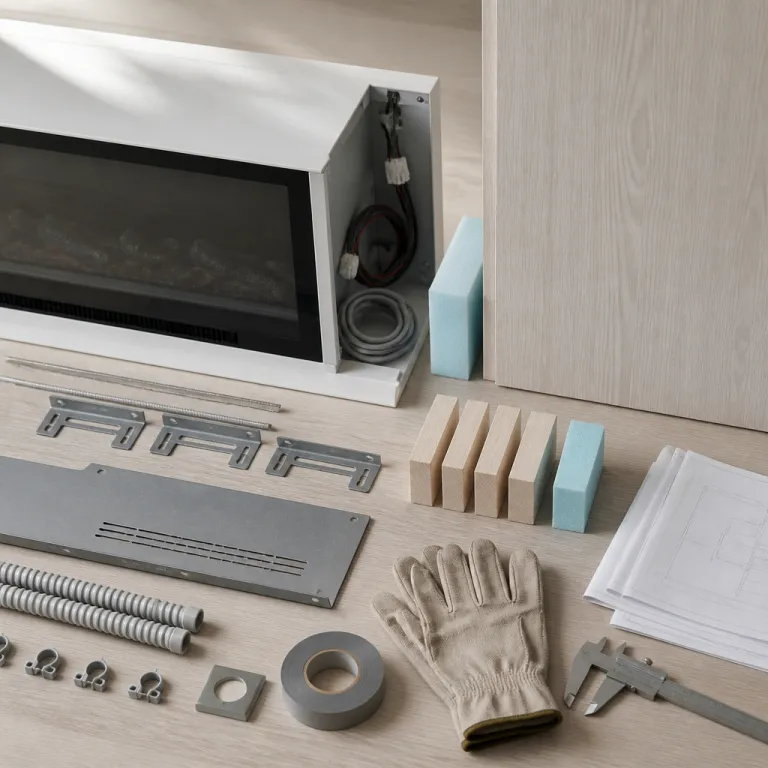
Why media wall electric fireplace installation lives or dies on planning
A media wall with an electric fireplace looks effortless on Instagram. In reality, media wall electric fireplace installation succeeds or fails on a handful of technical decisions that you lock in before the first stud is cut. Get those wrong and you end up with warped plasterboard, a cooked TV and a fireplace that never quite looks modern or intentional.
Start by deciding whether your electric fireplace will be wall mounted, partially recessed or fully built into the wall, because each option changes the framing, wiring and heat pattern. A shallow wall mount model like the Touchstone Sideline Elite linear electric unit hangs on the surface and needs less structural work, while a fully recessed electric design such as a Dimplex Revillusion built electric insert demands a deeper cavity and more precise stud placement to ensure the flames sit flush with the surrounding media. Think about how the fire, the TV and any floating shelves or fireplace media cabinets will align, because the eye reads the whole composition, not the appliance in isolation.
Homeowners often focus on the flame style and the advertised sale price, but the real cost hides in rework when the first installation is wrong. A media wall that has been framed to the wrong height for the electric fireplaces you are considering can force you into a smaller unit at a higher regular price, or into messy packers and trims that cheapen the look of the wall electric feature. Treat the regular price on the box as only part of the budget and keep a contingency for extra cabling, fire rated insulation and a better thermostat, because those are the pieces that make the fireplace feel smart and effortless in daily use.
Quick planning checklist (print or sketch this): 1) confirm wall type and whether any load bearing studs will be altered, 2) choose wall mounted vs recessed electric fireplace and note the manufacturer’s framing diagram, 3) mark the TV centreline and desired eye level, 4) reserve a 5 cm vertical cable channel between the fire and TV, 5) confirm power supply routes and breaker capacity, and 6) list all devices that will live in the media wall so you can plan shelves, access panels and ventilation. A simple hand drawn diagram with these items and key measurements often prevents the most expensive mistakes.
The heat rule: protecting your TV from the fire below
Heat is the silent TV killer in media walls, even with electric fireplaces that run cooler than gas fireplaces. Every manufacturer publishes a minimum clearance between the top of the fireplace and the bottom of the TV, and for most wall mounted or recessed electric units that distance sits between 30 and 45 centimetres. Ignore that and you risk slow panel damage, distorted colours and a media wall that feels uncomfortably hot when the flames are on high.
For a typical linear electric fireplace like the Touchstone Sideline Elite, plan at least 35 centimetres from the top of the glass to the TV frame, and add more if your wall channels heat straight up without a mantel to deflect it. Some modern flames units blow warm air from the front rather than the top, which helps, but you still need to ensure that the airflow is not trapped behind a floating shelf or a deep soundbar that sits too close to the fire. If you want a floating mantel for design reasons, use it deliberately as a heat baffle and follow specialist guidance such as the design notes in this floating mantel for electric fireplaces in modern homes guide to keep both the TV and the wall finish safe.
Do not assume that a smart electric fireplace with a thermostat automatically protects your television, because thermostats regulate room temperature, not the microclimate just above the flames. In testing, fan forced electric fireplaces like the Duraflame DFI-5010 can drift by several degrees over time, especially once dust builds up on sensors, so you still need that physical gap. Think of the clearance as cheap insurance compared with the sale price of a replacement TV and the labour of opening a finished media wall to move the fire down by a few centimetres.
Simple clearance diagram (visualise this on paper): draw a vertical line for the wall, sketch the recessed electric fireplace opening, then mark a horizontal line 30–45 cm above the top glass line and place the TV there. Add a rectangle for any floating mantel between the two and label the gap “TV heat clearance”. This quick recessed electric fireplace clearance sketch makes it easier to check that your chosen TV size, soundbar and mantel all fit without crowding the safe zone.
Wiring, wall cavities and the five centimetre channel nobody mentions
The cleanest media wall electric fireplace installation hides every cable, which means planning the wiring path before any plasterboard goes up. You need separate circuits or at least separate spurs for the electric fireplace and the TV, plus a route for HDMI, network and any smart speaker wiring that will live in the same wall. The trick is a five centimetre vertical channel between the fireplace recess and the TV niche, a small detail that many installers skip until it is too late.
That five centimetre gap is not about aesthetics, it is about access and safety, because it gives you a protected conduit to pull new cables without opening the wall and keeps low voltage HDMI leads away from the high current wall electric supply. When you frame the media walls, leave a clear stud free zone for this channel and line it with a smooth conduit so that future cable pulls do not snag on timber or insulation. If you are unsure about the rules for running power and control wiring in the same cavity, read a specialist breakdown such as this guide on understanding the wiring code for electric fireplaces before you start cutting holes.
Many homeowners try to save money by combining the fireplace and TV on one regular socket, but a high output mounted electric unit can draw close to the limit of a standard circuit on its own. A better approach is to ensure that the electric fireplaces have their own dedicated feed, ideally with a visible isolation switch in an adjacent cupboard or fireplace media cabinet. That way, if the fan fails or the flames misbehave, you can kill power to the fire without taking down the whole media system or risking nuisance trips every time the heater cycles on and off.
Safety note: electrical codes, cable derating rules and permitted cable routes vary by country and even by region. Always follow the installation manual for your specific recessed electric fireplace, comply with your local electrical regulations and bring in a qualified electrician for final connections, new circuits or any work inside the consumer unit or breaker panel.
Studs, recess depth and the order you build the wall
Framing is where a media wall either feels solid and built in or flimsy and improvised. Most electric fireplaces wider than 127 centimetres need a clear span of at least 60 centimetres between studs, yet many existing walls are framed at 40 centimetres centres, so you cannot just cut a hole and hope. Plan the stud layout around the exact fireplace you choose, not a generic size, because a few millimetres off level will show every time the flames run.
With a wall mounted or recessed electric unit, frame the fireplace opening first, then build the TV niche above it, using a laser level to keep both apertures perfectly aligned on the vertical centreline of the wall. This sequence matters because the fire has a fixed height and depth, while the TV niche can usually float a little higher or lower without anyone noticing, and it lets you adjust the media wall proportions to suit the room once you see the real appliance in place. When you are working with a built electric insert that mimics a traditional fireplace opening, you may also need a deeper hearth section, so check the manufacturer’s framing diagrams rather than relying on a regular rule of thumb.
Depth is another trap, especially with modern flames linear electric models that look best when fully recessed. A typical unit needs 15 to 20 centimetres of clear depth, plus a few extra millimetres for air circulation and the power cable bend radius, so do not cram the fire tight against the back of the cavity. If you are pairing the fireplace with a separate wall mounted heater such as the Cadet Com Pak electric wall heater with a built in thermostat, follow a dedicated guide like this one on the Cadet Com Pak electric wall heater installation so that the two heat sources do not fight each other or overload the same circuit.
Framing diagram idea: sketch the existing studs at their real spacing, then overlay the exact cut out from your electric fireplace installation manual, including recess depth and side clearances. Mark any studs that must be doubled up or moved and note where the 5 cm cable channel will run. This simple drawing, combined with the manufacturer’s framing instructions, acts as a structural checklist before you start cutting timber.
Choosing the right electric fireplace for a media wall
Not every electric fireplace suits a media wall, no matter how attractive the sale price looks on a fireplace sale flyer. Fan noise, flame realism and heat direction matter more here than in a regular freestanding installation, because the fire sits directly under your main screen and often runs for long evenings. Models like the Touchstone Sideline Elite and the Dimplex Revillusion series are popular because they combine quiet operation with convincing flames and flexible wall mount or recessed options.
When you compare electric fireplaces, ignore the marketing around ultra high BTU numbers and focus instead on how the flames look at low brightness, how the heater cycles and whether the unit offers a smart electric control option that integrates with your existing home system. A linear electric design with front venting is usually safer for a tight media wall than a top vented unit, because it pushes heat into the room rather than up towards the TV, and it gives you more freedom to play with a floating shelf or a slim soundbar. Check whether the regular price includes essentials like a hardwire kit and a trim bezel, because a tempting sale price can evaporate once you add those accessories and pay for professional installation.
Gas fireplaces still have a place in large open plan rooms, but they complicate media walls with flues, clearances and combustion air requirements that simply do not exist with electric models. For most living rooms under 40 square metres, an electric fireplace with a 1,500 watt heater provides comfortable zone heating without overwhelming the space or the budget, especially when retailers offer free shipping on heavier wall mounted units. Think of the media wall as a long term piece of furniture rather than a gadget, and choose the fire you can live with at a regular price, not just the one that looks dramatic in a showroom for a brief sale.
Image tip: when you add project photos, use descriptive alt text such as “media wall electric fireplace with recessed TV and 5 cm cable channel route” or “linear recessed electric fireplace clearance under wall mounted television” so that the images reinforce what the article explains and help readers visualise a safe, code compliant installation.
Smart controls, long term maintenance and what fails first
Once the media wall is closed and painted, you want the electric fireplace to behave like any other appliance, quietly doing its job without fuss. Smart electric controls help here, letting you schedule the flames, limit heater output and integrate the fire into wider routines, but they also add another layer of electronics that can fail. In long term testing, the most common issues are fan bearings starting to whine after a few winters, LED flame strips dimming unevenly and thermostats drifting a couple of degrees from the actual room temperature.
Design your media wall electric fireplace installation so that you can reach the service panels without demolishing the wall, which usually means leaving a removable plinth or a discreet access hatch in the fireplace media cabinetry. Check that the mounted electric unit you choose allows the heater or flame engine to slide out from the front, because some older fireplaces still require top access that is impossible once the TV niche is built. When you see a very low sale price on a no name wall electric model, assume that spare parts will be hard to find and that free shipping does not compensate for the hassle of replacing the whole fire if a simple component fails.
Regular maintenance is simple but easy to neglect, and it makes a difference to both safety and appearance. Vacuum the intake grilles every few months to keep airflow high, wipe the glass so the flames stay crisp and check the cable terminations in any accessible junction boxes once a year for signs of heat or looseness. The best media walls are the ones you stop thinking about after the first season, because they just work, year after year, not the log pattern in the showroom, but the tenth winter in your living room.
Maintenance and code reminder: keep the installation manual for your specific recessed electric fireplace with your home documents, note the recommended service intervals and record any work done by electricians or builders. Building regulations, fire safety standards and electrical codes evolve over time, so if you remodel the room or upgrade the heater, check the latest guidance and consult a qualified professional before altering framing, wiring or ventilation paths.
FAQ
How much space should I leave between my electric fireplace and TV ?
Most manufacturers recommend at least 30 to 45 centimetres between the top of the electric fireplace and the bottom of the TV, measured from the glass to the screen frame. Check the manual for your specific model, because some high output heaters need more clearance, especially if they vent upwards. When in doubt, add extra space or use a floating mantel to deflect heat away from the television.
Can I plug my media wall electric fireplace into a regular socket ?
Many wall mounted electric fireplaces are designed to plug into a standard 230 volt socket, but that does not mean they should share a circuit with multiple high draw appliances. A dedicated spur or circuit for the fire is safer, particularly for units with a 1,500 watt heater that will run for long periods. Always follow local electrical codes and consider hiring a qualified electrician for the final connection.
Do I really need the five centimetre cable channel in my media wall ?
Yes, that five centimetre vertical channel between the fireplace recess and the TV niche is what allows you to route HDMI, power and data cables cleanly and to replace them later without opening the wall. It also helps keep low voltage signal cables separated from the higher current fireplace supply, which reduces interference and improves safety. Skipping this small detail is one of the main reasons media walls end up with visible cables or expensive rework.
Is a gas fireplace better than an electric fireplace for a media wall ?
Gas fireplaces deliver more heat, but they require flues, larger clearances and careful management of combustion air, which makes them harder to integrate under a TV. Electric fireplaces are usually better suited to media walls because they have flexible venting, lower surface temperatures and simpler installation requirements. For most living rooms, an electric unit provides enough zone heating while keeping the design clean and the TV safe.
What type of electric fireplace is best for a modern media wall ?
A linear electric fireplace with front venting and adjustable modern flames usually works best in a contemporary media wall, because it can be fully recessed for a clean look and directs heat into the room rather than towards the TV. Look for models with quiet fans, multiple flame colours and smart controls so you can separate the flame effect from the heater. Check that the unit is approved for wall mount or recessed installation and that the framing requirements match the depth of your planned feature wall.