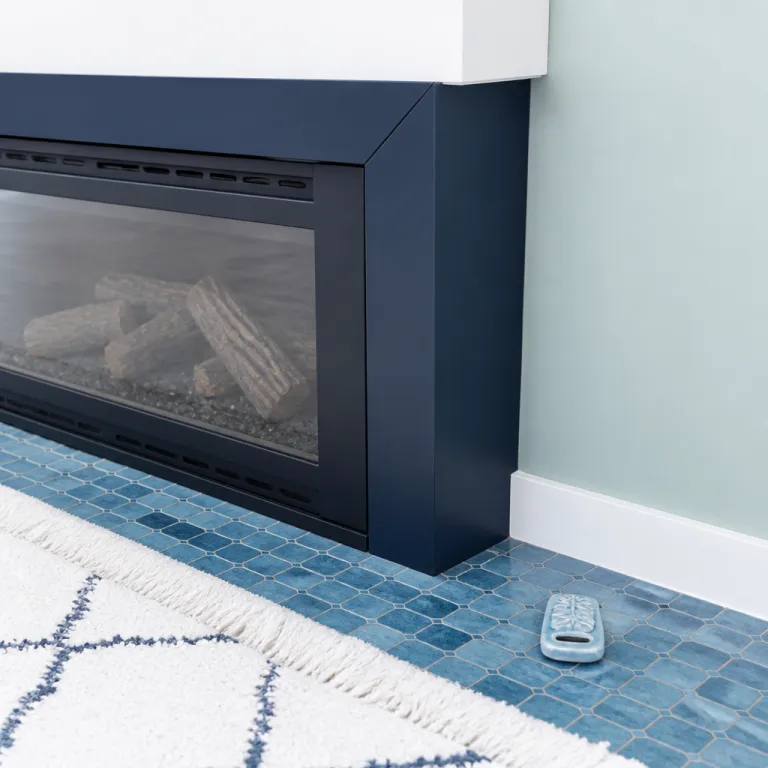
The geometry problem: why a flat fireplace looks wrong in a corner
A standard flat electric fireplace is designed to be viewed straight on. When you push that same product into a fireplace corner at 45 degrees, the flame effect suddenly looks skewed and the whole fire place reads as an afterthought. From a distance the wall and ceiling lines betray the trick, and your eye keeps noticing that nothing quite lines up.
Most living rooms with an off center fireplace wall already fight visual imbalance. Add a flat wall fireplace angled across a corner wall and you create competing focal points instead of one calm anchor for the room. The result is a living space that feels busy, even when the realistic flame effect itself is technically good.
Purpose built corner fireplace cabinets solve part of this geometry problem. These corner electric mantels use triangular or pentagonal tops so the front of the electric fireplace insert stays parallel to the main walls, which keeps the flame illusion square to your furniture. The cabinet sides then fill the awkward gap to each corner wall, so the built electric unit looks intentional rather than wedged in.
Where things still go wrong is depth and height. Many corner fireplaces are shallow TV stands, so the electric fireplaces inside sit too low and too close to the floor for a medium sized living room. When you sit on a sofa three metres away, you end up looking down at the flame instead of into it, which makes even modern flames look more like a space heater than a built in fireplace.
Angling a freestanding electric stove style unit into a corner creates different issues. The body of the fire place may look fine, but the linear electric flame bed inside is usually designed for head on viewing, so from 45 degrees you see more side panel and less depth. That is why corner electric fireplaces that are truly convincing start with geometry, not just a nicer flame pattern.
Corner electric fireplaces versus improvised angles: what you gain and lose
Homeowners often try to save on price by taking a standard wall mounted electric fireplace and simply angling it across a corner. On paper this seems efficient, because a slim wall mount product promises flexible placement and a clean modern look. In practice the bracket, cable routing and viewing angle all fight you, especially in a small living room.
Purpose designed corner electric fireplaces usually combine a mantel, storage and a matched fireplace insert. You pay more up front for the combined products, but you gain a stable footprint, proper cable management and a top surface that can carry a television without stressing the wall. For renters or anyone who cannot open up a fireplace wall, that stability matters more than shaving a few euros off the initial price.
If you own your home and want a more integrated look, you can frame a recessed corner wall niche and slide in a linear electric fireplace insert. This approach turns a plain corner into a built electric feature that feels architectural, not like a plug in appliance. It also lets you choose a deeper fire box, which improves the realistic flame effect from both front and side seating positions.
There is a trade off though. A recessed fireplace insert in a corner wall is harder to move later, and you must plan clearances for curtains, sockets and any adjacent wall mounted storage. Before committing, it is worth reading a detailed guide on choosing a freestanding electric fireplace for a rental, because the same safety checks apply even when the unit feels built in.
Some buyers try to split the difference with a hybrid wall mounted and floor resting design. These wall mounted electric fireplaces use a shallow bracket to keep the top tight to the wall while the base sits on a plinth, which can work in a fireplace corner if the side returns are boxed in. The key is to avoid any product that leaves visible triangular gaps behind the fire place, because those shadows instantly signal compromise.
From long term testing, the most convincing corner fireplace solutions are either full depth mantels with matched electric fireplaces, or properly framed recessed inserts. Angled flat panels on improvised mounts rarely satisfy after the first season, especially once the novelty of the flame wears off and the off center geometry keeps catching your eye in the living room.
Heat from the corner: why it can work better than a flat wall
Many people assume a corner electric fireplace will throw heat awkwardly into the room. In reality a fan forced or infrared electric heater placed in a corner often distributes warmth more evenly across an L shaped living area. The angled position lets the airflow wash across both legs of the space instead of blasting one straight wall.
Most electric fireplaces in the 1,500 watt range are designed for zone heating of about 35 square metres. When you tuck that same heater into a fireplace corner, the warm air can spread diagonally across the living room and into an adjacent dining area, which reduces cold spots near doorways. This is especially true in homes in the united kingdom where older properties often have radiators under windows and draughts along exterior walls.
Corner wall installations also keep the hot air stream away from delicate finishes. A wall fireplace mounted on a flat wall under a television can send heat straight up the fireplace wall, which is not ideal for sensitive electronics or certain paints. By contrast, a corner electric unit usually vents across open space, so the heat dissipates before it reaches a screen or a recessed alcove.
There is one caveat. Many freestanding electric stoves and compact corner fireplaces use front discharge grilles that sit quite low, so thick rugs or close placed ottomans can block the airflow. Always check the product manual for minimum clearance in front of the heater, and resist the temptation to push a small armchair right into the fireplace corner just because it looks cosy.
If you are considering a bioethanol or ethyl alcohol burner instead of an electric fireplace, be aware that the heat dynamics and safety rules are very different. A detailed overview of everything you need to know about ethyl alcohol fireplaces explains why open flame units need more distance from walls and soft furnishings than enclosed electric fireplaces. For most off center living rooms, a sealed electric heater with a realistic flame effect is the more forgiving choice.
In testing open plan spaces, a corner electric fireplace with a quiet fan and a thermostat tends to feel more comfortable than a similar wall mounted unit on a flat wall. The angled placement reduces the sensation of a hot stripe across your shins and instead creates a gentle temperature gradient, which is exactly what you want for long evenings in a lived in room.
Size, scale and layout: choosing a corner unit that fits the room
Getting the size right is where many corner electric fireplace projects fail. A unit that looks modest on a showroom floor can overwhelm a 3,5 metre wall segment once you angle it into a corner. The diagonal footprint eats more floor space than a flat cabinet, and the top often projects further into the living room than buyers expect.
As a rule of thumb, keep the front width of the corner fireplace cabinet under two thirds of the shorter wall in the corner. In a typical living room with a 3,6 metre wall meeting a 4 metre wall, that means a maximum cabinet width of about 1,2 metres to avoid crowding. Anything larger starts to dominate the fireplace wall and makes adjacent furniture feel squeezed.
Depth matters just as much. Many modern corner electric mantels are 45 to 55 centimetres deep at the centre point, which is acceptable in a medium room but too intrusive in a small space under 12 square metres. Before buying, tape out the full triangular footprint on the floor and walk around it, checking door swings, traffic paths and sight lines to the television.
Height is the other silent deal breaker. A low TV stand style corner electric fireplace that sits 50 centimetres high may work in a bedroom where you mostly view it from bed, but in a main living room you want the flame eye level when seated. That usually means a mantel height around 70 to 90 centimetres, depending on sofa seat height and whether you plan to mount a television above.
Linear electric inserts complicate things further. A long, low linear electric fire looks dramatic on a flat wall, but when you angle that same product into a corner the proportions can feel odd, because the ends of the flame bed disappear into the side returns. Shorter, slightly taller electric fireplaces tend to suit corner walls better, especially when framed with built electric cabinetry that visually grounds the unit.
Always sketch the full layout, including sofas, chairs and any wall mounted shelves or art. The goal is a balanced triangle between the main sofa, the corner electric fireplace and either a television or a window, so the room feels intentional from every seat. When the geometry works, the corner stops feeling like a compromise and starts acting as the natural heart of the living space.
Furniture tricks: turning a dead corner into the new focal point
Once the corner electric fireplace is sized correctly, the furniture layout makes or breaks the effect. Many people keep their sofa parallel to the longest wall out of habit, which leaves the new fireplace corner stranded off to one side. The flame then reads as background decoration instead of the main event in the living room.
A better approach is to angle the primary sofa very slightly toward the corner fireplace, even if that means it no longer sits square to any wall. This small rotation, often just 10 to 15 degrees, aligns your sight line with the electric fireplace insert and makes the realistic flame the natural focal point. Side chairs can then float opposite, creating a loose semicircle that feels intimate without blocking traffic.
For rooms where a television must share the fireplace wall, consider a low, wide corner cabinet that supports both. Some corner fireplaces integrate media storage and a central mount for a screen, which keeps all the visual weight in one zone. The key is to keep the television no wider than the fire box below, so the flame does not feel like an afterthought under a dominating black rectangle.
In smaller rooms, a compact freestanding electric stove in the fireplace corner can pair beautifully with a single loveseat and a reading chair. Here the goal is not symmetry but comfort, so you can let the chair angle more sharply toward the fire place while the loveseat faces the centre of the room. A slim wall mounted shelf on the adjacent wall can balance the visual mass without competing with the corner wall feature.
Lighting finishes the picture. A floor lamp behind the main sofa, a small table lamp on the corner fireplace mantel and dimmable ceiling spots over the fireplace wall create layers that flatter the flame effect. When the electric fireplaces are off in daylight, these other light sources keep the corner feeling purposeful rather than like a dark void.
Over years of observing real homes, the most successful layouts treat the corner electric fireplace as a campfire around which the furniture gathers. The exact angle of each piece matters less than the feeling that every good seat has a clear view of both the flame and the rest of the room. That is how a once awkward corner becomes the place everyone drifts toward on cold evenings.
Choosing the right technology: inserts, wall mounts and freestanding units
Not all electric fireplaces behave the same way when pushed into a corner. Insert style units like the Dimplex Revillusion are designed to slide into a mantel or existing opening, which makes them ideal for purpose built corner cabinets. Wall mounted products such as the Touchstone Sideline series are slimmer and lighter, but they assume a flat wall and can look strained when angled.
If you want a built electric look without major construction, a mantel package with a matched fireplace insert is usually the safest bet. These products hide cables, provide a stable base and keep the flame at a comfortable height, while still plugging into a standard socket. Many include a remote control with thermostat, timer and flame only mode, which makes daily use in a living room effortless.
For renters or anyone in the united kingdom dealing with solid brick walls, freestanding electric stoves and consoles are more forgiving. Models like the Duraflame DFI 5010 use infrared heating that warms objects rather than just air, which can feel more comfortable in draughty rooms. The trade off is that some freestanding electric units have louder fans and less refined flame effects than premium wall mounted or recessed inserts.
Wall mount and wall mounted linear electric fireplaces can still work in corners if you are willing to build short return walls or a partial column. By creating a shallow fireplace wall that projects into the room, you can mount the unit flat while the structure itself sits diagonally in the corner. This approach often looks more modern than a traditional mantel and pairs well with minimalist furniture and modern flames.
Whatever technology you choose, pay attention to viewing angles. Some electric fireplaces use mirrored back panels and deep ember beds that hold up well from 45 degrees, while others rely on shallow flame screens that look obviously two dimensional from the side. When possible, view the product in person or watch videos shot from different angles, not just the straight on marketing photos.
Long term reliability matters too. In testing, we have seen cheaper wall fireplace units develop fan noise after a few years, while better built products maintain quiet operation and consistent flame brightness. The right corner electric fireplace is not the one with the brightest flame on day one, but the one that still feels quietly convincing in your living room many winters from now.
Buying smart: prices, features and what actually matters over time
Corner electric fireplaces span a wide price range, from budget freestanding stoves under 200 euros to full mantel and insert packages well over 1 000 euros. The temptation is to shop by headline wattage or the most dramatic flame video, but those metrics rarely predict satisfaction in a real living room. What matters more is build quality, noise level, control options and how well the unit fits your specific corner wall.
Look for clear information about heat output, usually around 1,5 kilowatts for standard electric fireplaces, and check whether the heater can run independently of the flame. A good remote control should let you adjust flame brightness, colour and heat without leaving the sofa, because you will use those settings daily. Avoid products that bury basic functions behind tiny buttons on the fire place body, especially if the unit will sit deep in a fireplace corner.
When comparing wall mount, recessed and freestanding electric options, it helps to think in terms of permanence. A recessed linear electric insert framed into a corner wall is a semi permanent upgrade that can add perceived value to the room, while a freestanding electric stove is more like a piece of furniture you can take with you. Guides such as this one on choosing a wall mounted electric fireplace by the wall, not by the spec sheet underline how much the surrounding structure shapes the final effect.
In markets like the united kingdom, where many homes have irregular rooms and chimney breasts, corner electric solutions can actually look more natural than forcing a flat wall fireplace into a slightly off centre alcove. The key is to choose products whose proportions suit both the corner and the furniture layout, rather than chasing the largest possible flame. Remember that a small, well placed corner electric unit that runs quietly will see more use than a huge, noisy showpiece that dominates the room.
Finally, pay attention to after sales support and spare parts. Brands with established service networks are more likely to supply replacement remote controls, LED strips or fan assemblies years down the line, which extends the life of your investment. What you are really buying is not the log pattern in the showroom, but the tenth winter in your living room.
Key figures about corner and electric fireplaces
- Typical 1,5 kilowatt electric fireplaces are rated to heat about 35 square metres as a supplemental zone heater, which matches the size of many European living rooms and open plan kitchen diners.
- Independent testing by certification bodies such as CSA and TÜV shows that electric fireplaces convert over 99 % of input electricity into heat at the point of use, compared with around 70 to 85 % efficiency for many open flame gas fireplaces.
- Market surveys in the united kingdom indicate that corner and freestanding electric fireplaces account for roughly one quarter of decorative electric fire sales, reflecting strong demand from homes without central chimney walls.
- Energy cost calculations based on average European electricity tariffs suggest that running a 1,5 kilowatt corner electric fireplace for three hours an evening can cost less than operating multiple portable fan heaters, while providing a more even heat distribution.
- Consumer review analyses consistently show that noise complaints and unrealistic flame effects are among the top reasons for returning electric fireplaces, underscoring the importance of in person viewing and careful specification checks before purchase.
FAQ about corner electric fireplaces
Are corner electric fireplaces as efficient as flat wall models ?
Corner electric fireplaces use the same heating technology as flat wall units, so their electrical efficiency is essentially identical. The difference lies in how the warm air moves through the room, and a corner position can actually improve perceived comfort in L shaped spaces. As long as clearances are respected, you will not lose efficiency by choosing a fireplace corner installation.
Can I mount a standard wall fireplace in a corner without a special cabinet ?
You can angle a standard wall mounted electric fireplace into a corner, but it rarely looks as integrated as a purpose built corner mantel. The brackets, cables and triangular gaps behind the unit often betray the improvised setup. For a permanent solution, a dedicated corner cabinet or a custom framed corner wall usually delivers a cleaner result.
How big should a corner electric fireplace be for a small living room ?
In a small living room under about 12 square metres, aim for a corner electric fireplace cabinet no wider than 90 to 100 centimetres across the front. Depth around 40 to 45 centimetres keeps the unit from projecting too far into the room. Always mock up the footprint with tape on the floor before buying to check traffic flow and furniture placement.
Is it safe to put a television above a corner electric fireplace ?
Many modern electric fireplaces are designed to allow a television above, but you must follow the manufacturer’s clearance guidelines. Corner installations can be safer for electronics because the heat often vents diagonally into the room rather than straight up the wall. Use a thermometer during initial use to confirm that the area around the TV stays within the temperature range recommended by the screen manufacturer.
Do corner electric fireplaces look realistic from every seat in the room ?
Realism depends on the specific flame technology and the viewing angle. Units with deeper fire boxes, layered ember beds and anti reflective glass tend to hold up better from 45 degree angles than very shallow wall mounted panels. When shopping, try to see the fireplace from the side as well as straight on, because corner placements rarely offer a single head on view.