Comparing flame realism, flame colors and adjustable flame effects
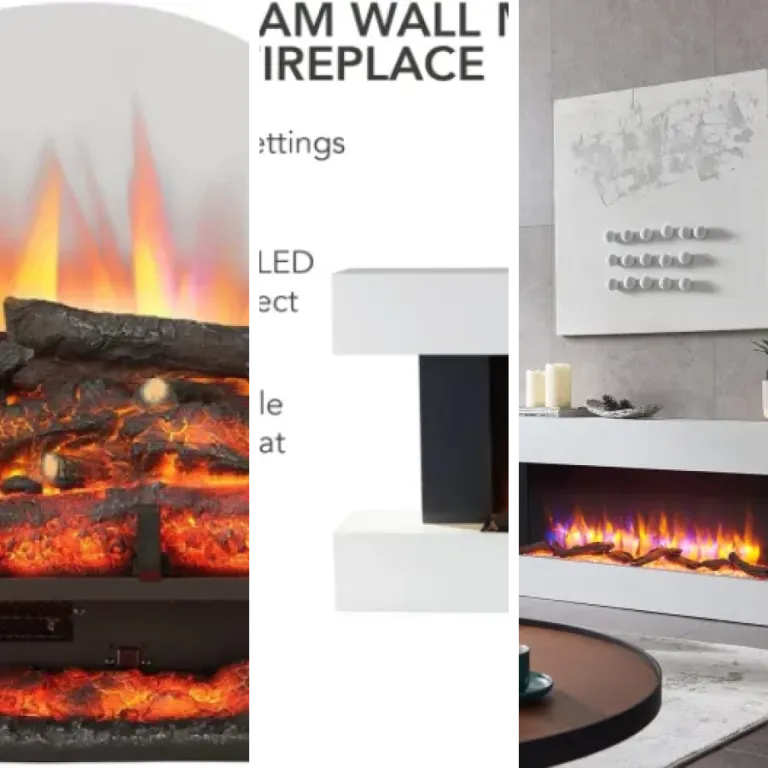
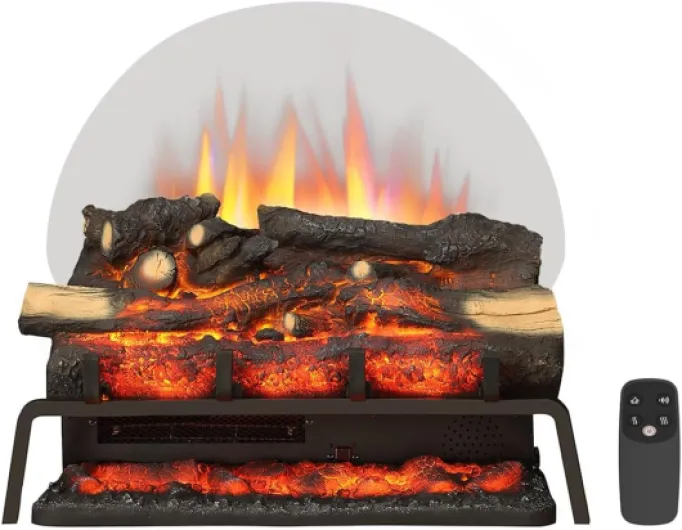
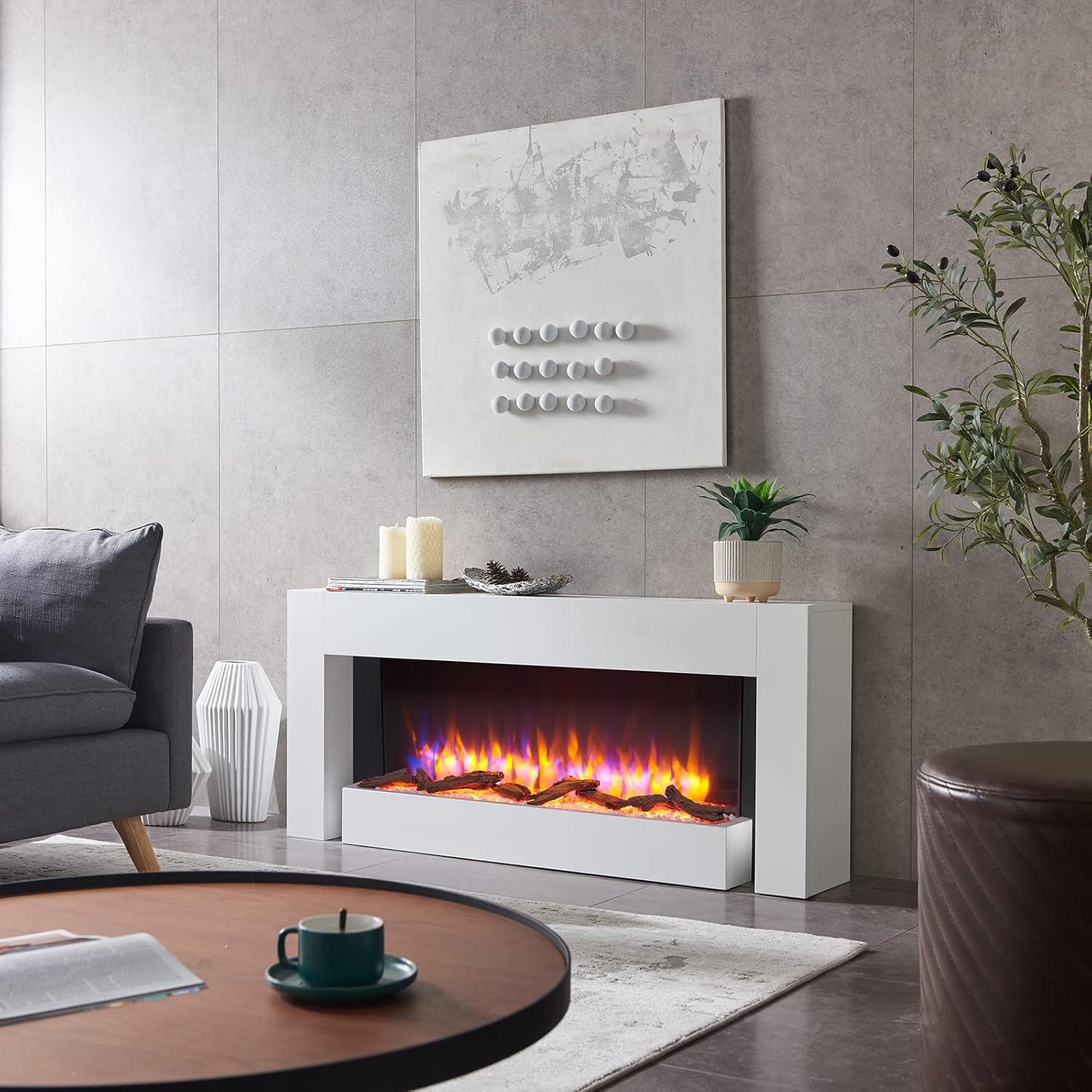
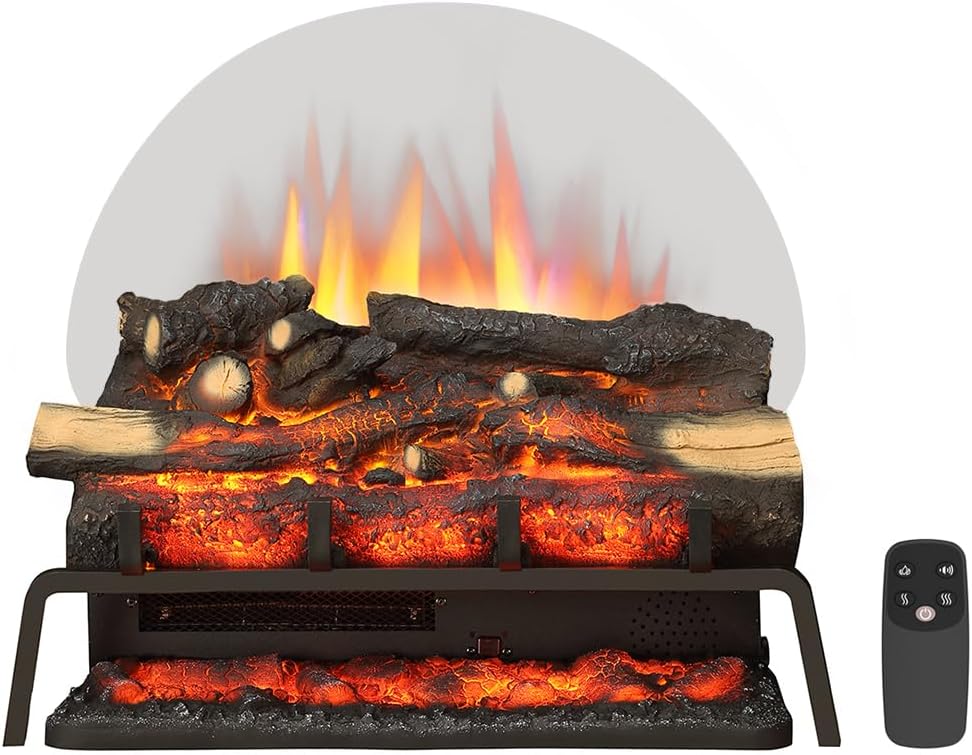
Visual quality separates an average electric fireplace from the best electric fireplaces with adjustable heat settings for design focused buyers. Modern electric fireplaces use LED technology to create flames, and the most convincing models offer both adjustable flame brightness and several flame colors to suit different moods. When you see a product promising a realistic flame effect, examine whether it includes a sculpted log set, ember bed and layered flames that vary in height and intensity rather than a single flat light source.
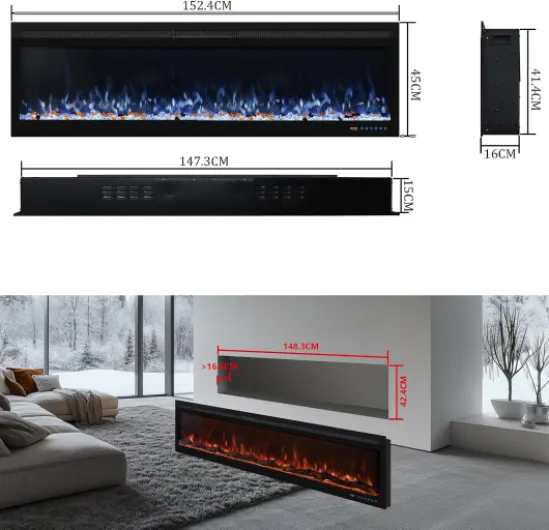
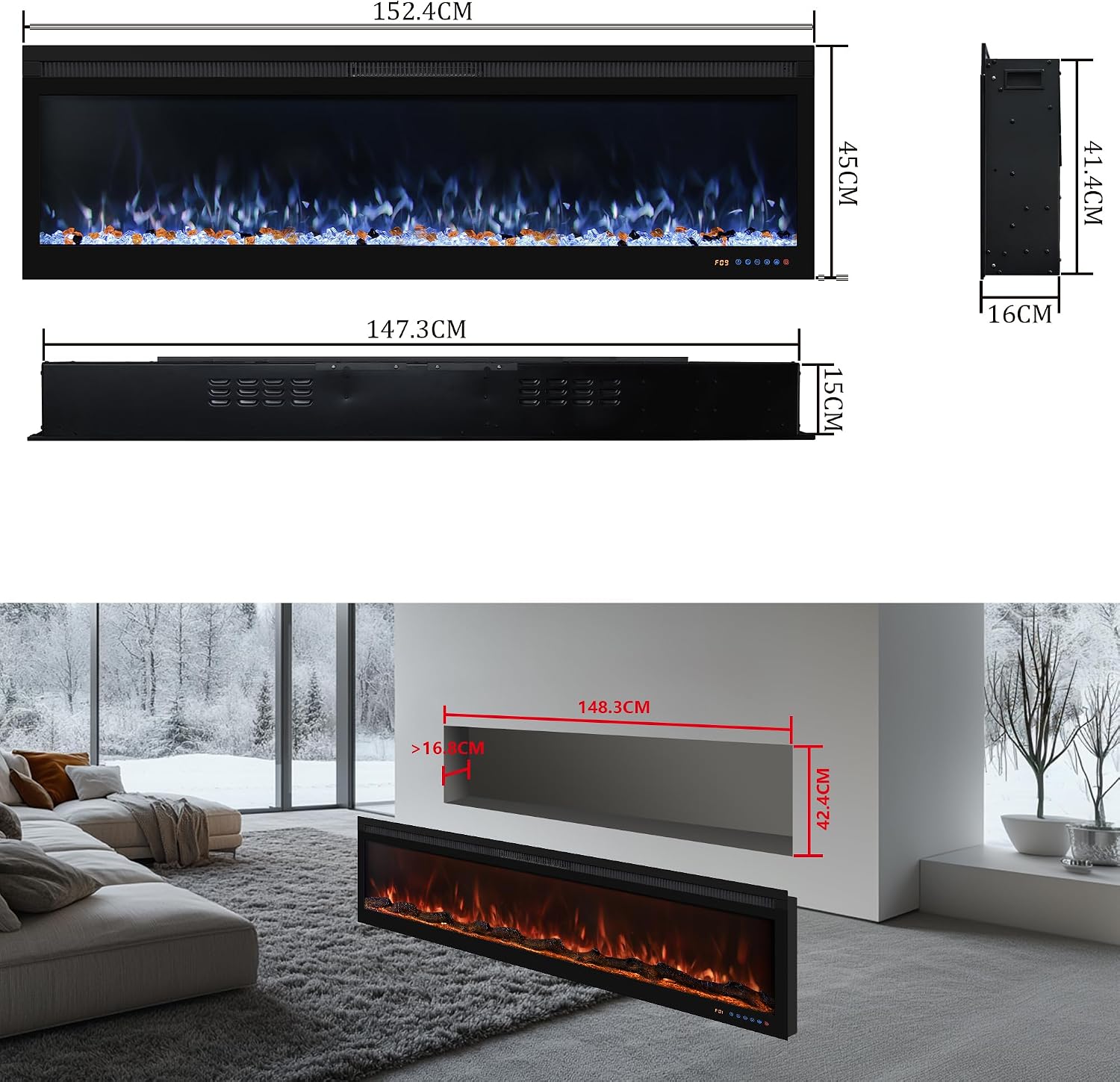
Some wall mounted electric fireplaces emphasise bold flame color options, such as blue, amber and mixed tones, while more traditional fireplace inserts focus on warm orange flames that mimic wood burning fireplaces. For instance, the R.W.FLAME 50" wall mounted unit provides multiple flame colours and brightness levels, while the Dimplex Opti-Myst range concentrates on lifelike orange flames and a smoke like water vapour effect, as described in their technical brochures. If you want a fireplace with subtle ambience, choose models where the adjustable flame settings allow very low brightness for evening use, plus higher intensity for daytime visibility. For buyers who care about authenticity, independent consumer tests and long term user reviews judged from the couch rather than the showroom can be more revealing than glossy catalogue photos.
Sound also plays a role, because a gentle crackling sound can make an electric fireplace feel closer to a real wood fireplace without the mess. Some standing electric fireplaces and free standing stoves include optional audio that you can mute independently from the flames and heat. When you combine realistic flame visuals, flexible flame color choices and quiet operation, the result is an electric fireplace that enhances a room all year, not only when you need strong heat.
Built in, recessed and free standing models for different spaces
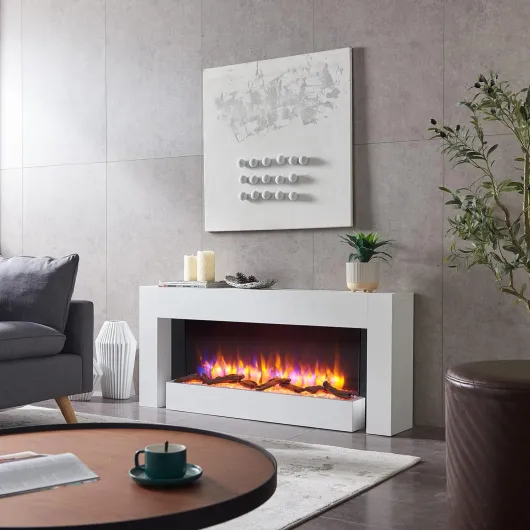
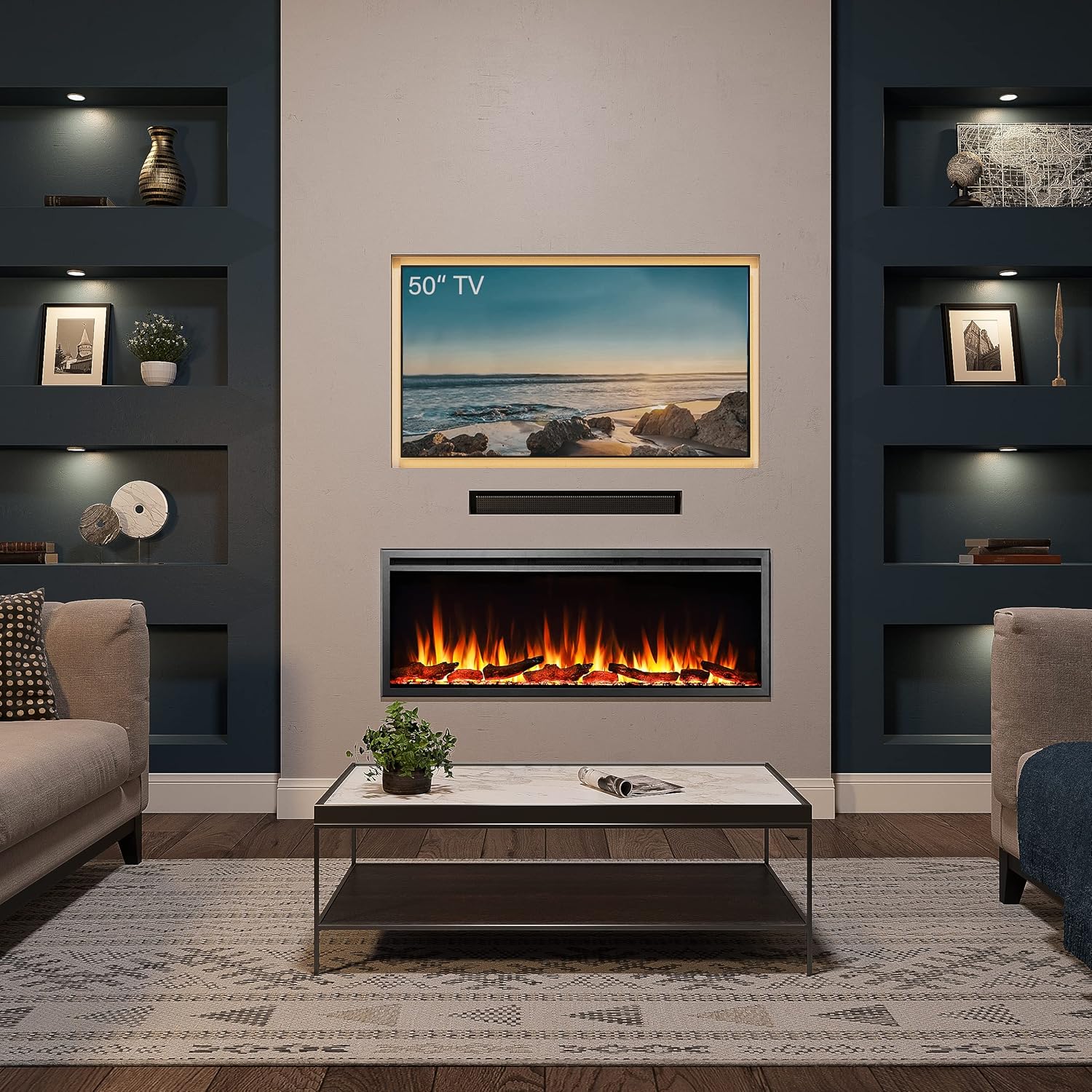
Room layout strongly influences which of the best electric fireplaces with adjustable heat settings will suit you. Recessed electric fireplaces sit partly or fully inside a wall, creating a streamlined look that saves floor space in compact living rooms or bedrooms. These models often require a standard framed opening and careful attention to clearance distances, so always check the installation manual before cutting into any wall.
By contrast, free standing and standing electric fireplaces behave more like furniture, sliding into place without structural work and plugging into a standard electric socket. A free standing fireplace heater can move between rooms, which is useful in rented homes where you cannot alter walls or install a permanent fireplace insert. When you compare recessed and free standing models, consider not only aesthetics but also how the heater vents warm air, because some units blow heat from the front while others vent from the top or bottom.
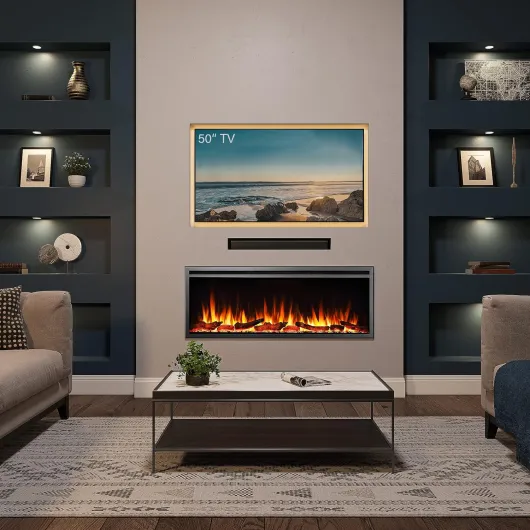
Wall mounted electric fireplaces occupy a middle ground, hanging on the wall like a television while sometimes offering semi recessed installation for a slimmer profile. These wall models often come in black finishes with glass fronts, pairing well with modern interiors and media walls that frame the electric fireplace under a television. For buyers who want more objective information, detailed product manuals and independent insert lab tests that examine fireplace inserts and wall units under controlled conditions can highlight differences in heat distribution, overheat protection performance and long term reliability.
Safety, overheat protection and smart electric controls
Safety features are non negotiable when you shortlist the best electric fireplaces with adjustable heat settings for family homes. Overheat protection should cut power automatically if internal temperatures exceed safe limits, helping to prevent damage to the heater and reducing fire risk. Look for clear safety labels, a thermal cut off description and, ideally, independent certification from recognised testing laboratories or national standards bodies.
Many modern electric fireplaces now qualify as smart electric appliances, offering app based control, voice assistant integration and programmable schedules. A smart electric fireplace with remote access lets you pre warm a room before you arrive, while still relying on built in overheat protection and child lock functions to keep operation safe. When you use these features thoughtfully, you can combine comfort and energy efficiency by running the fireplace heater only when and where you need heat.
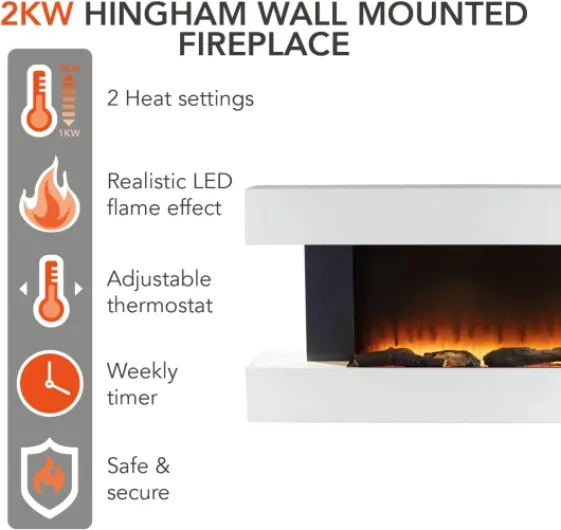
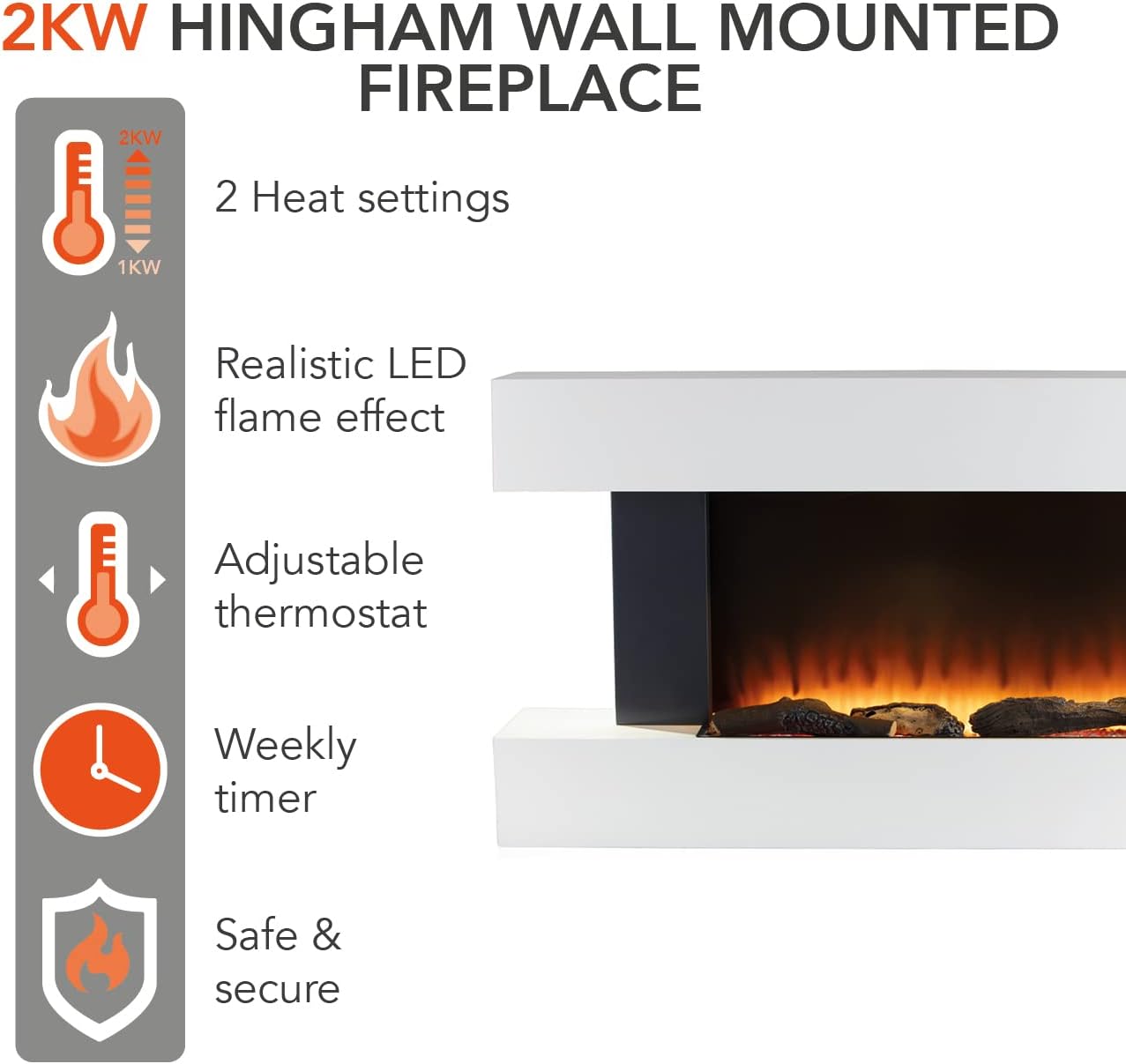
Simple features such as a programmable timer and precise thermostat also contribute to safety and comfort by avoiding unnecessary heat build up. A timer that switches the fireplace off after one or two hours is especially useful in bedrooms, where people may fall asleep while enjoying the flames. For households with children or pets, choosing fireplace inserts with cool touch glass and stable free standing bases reduces the chance of accidental burns or tipping, while still allowing everyone to enjoy the flame effects.
Energy use, running costs and getting value for the price
Running costs often decide whether an electric fireplace becomes a daily habit or an occasional treat. The best electric fireplaces with adjustable heat settings help you manage electricity use by letting you choose lower heat levels or flame only operation when full power is unnecessary. Since many fireplace heater units draw between about 1,000 and 2,000 watts at maximum heat, even small adjustments in usage time and power level can noticeably affect your monthly bill.
To understand the real price of ownership, combine the purchase price of the product with estimated energy consumption based on your local electricity tariff. For example, a 1,500 watt heater running for three hours uses 4.5 kilowatt hours, so multiplying that figure by your tariff gives a realistic cost per evening. Guides on what an electric fireplace adds to the power bill each month, and how specific settings can cut that cost in half, show that thermostat control and timer functions matter as much as raw wattage. When you compare fireplaces, prioritise models that specify both flame only wattage and full heater wattage, because that transparency helps you plan realistic budgets.
Value also depends on build quality, warranty terms and how well the electric fireplace suits your space and habits. A slightly higher price for a durable fireplace insert with a robust metal housing, quiet fan and long warranty can be more economical than replacing a cheaper unit after a short time. For instance, the Touchstone Sideline 50" recessed fireplace typically lists a heating coverage of around 37 square metres at 1,500 watts in its specification sheet, which can be enough to let you lower central heating in a living room during mild seasons. If you use the fireplace with remote control and smart scheduling to heat only occupied rooms, an efficient space heater function can offset part of the cost by allowing you to reduce whole house heating in shoulder months.
Key buying checklist for adjustable heat electric fireplaces
Choosing among the best electric fireplaces with adjustable heat settings becomes easier when you follow a structured checklist. Start with room size in square metres, then match it to the stated heating capacity of each electric fireplace model, avoiding units that significantly underperform or overshoot your needs. Next, examine whether the fireplace with adjustable flame and heat offers separate controls for flame color, brightness and heater output, because independent control makes the fireplace more versatile.
Design preferences come next, including whether you want a black glass wall unit, a traditional fireplace insert with a log set or a compact free standing stove. Check that the wall mounted or recessed design fits your wall construction, and that the standing electric model has a stable base for uneven floors. For each candidate, verify that the product includes a responsive remote control, clear on unit buttons and a readable display, since poor control layouts quickly become frustrating in daily use.
Finally, review safety and convenience extras such as overheat protection, cool touch surfaces, a programmable timer and optional crackling sound effects. Some buyers appreciate smart electric connectivity with remote app control, while others prefer simple manual dials and a standard handheld remote with basic functions. Whatever your preference, prioritise electric fireplaces and fireplace inserts that combine reliable heater performance, flexible flames and transparent specifications, because those traits signal a manufacturer that takes both comfort and safety seriously.
Key figures on electric fireplaces and adjustable heat
- Typical electric fireplaces for home use are rated between about 1,000 and 2,000 watts at full heat, which manufacturers often describe as suitable for roughly 10 to 25 square metres depending on insulation and ceiling height; always check the specific product’s stated coverage rather than relying on a single universal rule.
- Flame only modes on many electric fireplaces usually consume well under 300 watts, which is often lower than the power draw of large televisions or gaming consoles used in the same living rooms, according to indicative figures in several product manuals.
- Market information on heating appliances suggests that models with thermostatic control and programmable timers can reduce unnecessary energy use compared with similar heaters without those controls, when used in typical households that remember to set schedules and temperature limits.
- Public fire safety data from several European countries report far fewer incidents involving electric fireplaces than those involving solid fuel or gas fireplaces, largely because electric units do not produce real flames, smoke or combustible embers; however, safe use and correct installation still remain essential.
- Industry reports on home heating trends show that sales of electric fireplaces have grown steadily over the past decade, driven by demand for low maintenance heating and the ability to install a fireplace effect in flats where chimneys are not available.