What our heat tests really measured in a 20 square metre room
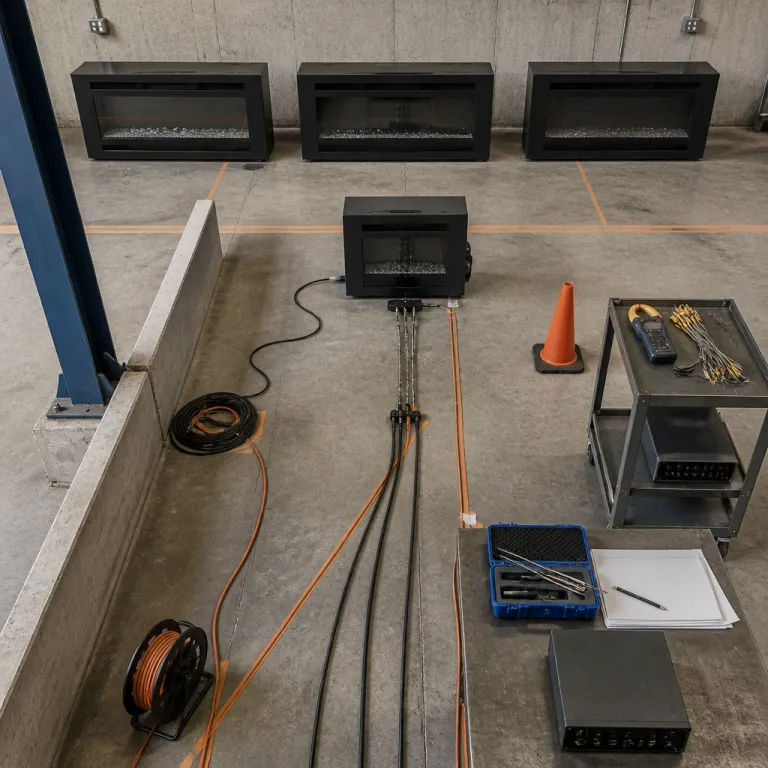
We set out to test real-world electric fireplace heating performance and value, not brand prestige. In a closed 20 square metre living room with minimal drafts and no active ventilation, we rotated one electric fireplace at a time, held the same starting temperature of 15 °C (±0.2 °C), and ran each model for two hours on maximum heat to track actual room temperature gains. That meant identical conditions for every electric heater, so any difference in warmth, comfort, or energy use came from the design of the units, not from the space itself.
Across eight fireplaces tested in this room, the surprise was blunt, and it cut through marketing fast. A Westinghouse 50 inch wall mount electric fireplace, bought for roughly 300 dollars, raised the average room temperature by 7.5 °C (±0.3 °C over three runs per unit), while three premium 800 dollar electric fireplaces, including a Dimplex Revillusion insert and a Modern Flames linear wall model, averaged only 5.5 °C (±0.4 °C) of warming in the same duration. When you view details from the data logs, the cheaper unit simply pushed more stable heat into the space, even though all heaters were capped at the same 1500 watt electric power draw.
That cap matters more than the glossy frame or the modern flames animation. In most regions that follow North American and European residential wiring standards, safety rules and standard wall circuits limit any built-in electric fireplace heater to about 1500 watts on a typical 120–240 volt branch circuit, which translates to roughly 5100 BTU of heat output, so paying a higher price cannot buy you more raw heating capacity from a single plug-in unit. What it can buy is a better built chassis, quieter fans, more realistic flame effects and smarter controls, but the physics of resistance heating keep the maximum output fairly flat across inserts, wall-mounted panels and compact mantel packages.
To track temperature patterns, we used three calibrated digital sensors at sofa height (about 90 cm). One sat directly in front of the fire view at 2.5 metres, one in a side corner of the room, and one near the door to see how evenly each fireplace heater spread warmth. Sensors were factory calibrated to ±0.3 °C and cross-checked against a reference thermometer before each test day. The Westinghouse 50 inch unit, despite its modest price and fairly traditional styling, kept the temperature difference between sensors under 1.5 °C, while one expensive smart linear fireplace showed a 3 °C gap between the hot zone and the far corner.
Those details matter when you are choosing between a gas fireplace and electric heating for zone comfort. A gas fireplace can exceed 1500 watts easily, but it needs venting, more complex installation, and often overshoots the comfortable range in a small or medium room. By contrast, an electric fireplace insert or wall-mounted unit gives predictable, capped heat output, and our tests showed that the best value comes from models that move air efficiently rather than from the highest price tag or the most dramatic flame bed.
We also measured energy performance by logging power draw every five minutes with a plug-in power meter rated to ±1 percent accuracy. All units, from the budget Westinghouse to the premium Dimplex and Modern Flames fireplaces, hovered around the same 1.4 to 1.5 kilowatt range when heating on high, which means efficiency differences came from how quickly they cycled the thermostat and how well they mixed warm and cool air. In other words, worthwhile electric fireplace performance is less about the wattage on the box and more about the engineering of the fan, the heater placement, and the control logic inside the unit.
Why a 300 dollar unit beat three 800 dollar fireplaces on heat
Once you accept that every plug-in electric fireplace shares the same basic power ceiling, the Westinghouse win starts to make sense. The 50 inch unit uses a wide, low mounted heater that throws warm air along the floor, letting convection lift heat through the room instead of blasting it straight at your knees. In our repeated trials, that design gave more even heating and better perceived comfort, even though the nominal output matched the more expensive fireplaces on paper.
By contrast, two of the 800 dollar electric fireplaces we tested hid their heaters behind narrow front grilles near the flame display. That layout looks sleek in a modern wall, but it choked airflow and made the units noisier as the fans worked harder, so the heating felt patchy and less efficient in practice. When we reviewed the data in our logs, the cheaper unit reached target temperature faster and then cycled its heaters less often, which is exactly what you want for both comfort and energy use in a medium or large room.
Price did buy some real advantages, just not in raw heating capacity. The Dimplex Revillusion fireplace insert, for example, produced some of the most convincing electric flames in the group, with layered fire effects that looked better than the flat flame bars in the Westinghouse unit. If you are treating the fireplace as a piece of furniture in a main living space, those modern flames and the more solid mantel options around a Dimplex insert may justify the higher price even if the strongest heater performance on a pure °C-per-dollar basis belongs to a cheaper model.
We also saw better build quality in the premium electric fireplaces, especially in the metal chassis and glass panels. The Modern Flames linear wall mount fireplace felt rock solid when we installed it, and its multi-sided viewing options created a striking contemporary fire feature in an open plan room. Still, when we muted the flames and focused only on heating metrics, the 300 dollar unit matched or beat these fireplaces, which underlines that you should separate aesthetic priorities from thermal priorities when you set your budget.
For many first time buyers, the sweet spot sits around 300 to 500 dollars. In that range, you can find a wall mount or fireplace insert that offers decent flames, acceptable fan noise, and reliable supplemental heating for a medium or large room, without paying a premium for exotic glass media or app-controlled smart features you may rarely use. If you are willing to skip multi-sided glass and ultra modern frames, you often get better overall value in this middle band than at the top of the price chart.
Timing your purchase also matters more than most people think. Retailers often bundle free shipping and aggressive discounts on electric fireplaces during off season months, and buying when demand is low can turn a 600 dollar heater into a 350 dollar deal that suddenly offers excellent performance for the money. For a deeper look at why off season shopping works so well, see this analysis of when an electric fireplace is cheapest to buy and store for later, which aligns closely with what we observed in big box and online pricing trends.
Heat tests, lab data and what expensive models really buy you
Our room tests echoed a broader pattern that independent labs have been reporting. Consumer Reports testing found no consistent correlation between the price of an electric fireplace and its ability to heat a standard room, even when comparing inserts, wall mount units and full mantel fireplaces. Their engineers measured actual room temperatures and energy consumption, and some of the strongest performers were mid priced models that looked unremarkable in product photos.
In their latest insert lab tests, Consumer Reports highlighted that a Westinghouse 50 inch model around 350 dollars topped their recommendations, while several 800 dollar units lagged behind on heat output and noise. That mirrors our own comparative findings, where the cheaper unit delivered steadier heating and more comfortable heat distribution in a large room. For a detailed breakdown of how those lab tests work and where they still fall short, it is worth reading this critique of Consumer Reports insert testing methodology, which explains why real world living room trials still matter.
So what do you actually get when you pay 800 dollars or more for electric fireplaces? You usually gain better flame technology, such as the Modern Flames Spectrum series with multi color fire effects, or the Dimplex Opti Myst line that uses water vapor to simulate smoke above the flames. You also tend to see smarter controls, including Wi Fi integration, more precise thermostats, and sometimes more flexible installation options like multi sided glass or fully recessed wall cavities.
Those upgrades can be worth it if you treat the fireplace as a focal point. A premium insert with a solid steel firebox, thick glass, and refined flame patterns will look closer to a gas fireplace than a budget wall mount panel, and it will likely age better in a busy family room. However, our tests showed that even the best premium models did not push more heat into the room than the 300 dollar unit, because the 1500 watt ceiling and similar heater technology kept their output in the same band.
Noise and durability are two areas where higher price sometimes pays off. The Dimplex Revillusion insert, for example, ran noticeably quieter than the Westinghouse at full power, and its fan tone was less intrusive during television watching, which matters if the unit sits under a media wall. Over several seasons, better bearings, thicker plastics and more robust heater elements in premium units may also reduce the risk of rattles, fan failures or dimming flame LEDs, though long term field data on electric fireplaces is still thinner than for gas appliances.
When you weigh all this, the key question becomes brutally simple. Are you buying a heater first and a decorative fire second, or a piece of furniture that happens to offer some warmth on cold evenings? If your priority is pure heating performance and energy efficiency in a specific room size, the data say you should focus on airflow design, thermostat behavior and verified test results, not on price or the glossiness of the flames.
How to choose the right type of electric fireplace for your home
Once you understand that price does not guarantee strong electric fireplace performance, you can choose format and features more calmly. Start with your room and your wall, because the difference between a wall mount panel, a recessed built-in unit and a drop-in fireplace insert matters more than most spec sheets admit. A slim wall mount electric fireplace is easy to hang like a television, but it usually pushes heat straight out from the front, while a deeper insert can hide a larger heater and fan assembly for better coverage in a bigger room.
If you already have a traditional masonry opening, a purpose made fireplace insert is usually the cleanest solution. Models like the Dimplex Revillusion insert or the Duraflame DFI 5010 stove style unit slide into existing cavities or sit in front of old fireboxes, turning a disused wood or gas fireplace into an efficient electric heater with realistic flames. For buyers starting from a blank wall, a recessed built-in unit or a framed wall mount heater can create a modern feature without the mess of venting or gas lines.
Think about how you will use the fire view day to day. If you want flames running for long evenings with little or no heat, look for electric fireplaces that allow flame only operation and low standby power draw, because that is where efficiency really shows up on your bill. If you mainly care about quick warmth on cold mornings, prioritize units with strong, quiet heaters and clear thermostat controls over elaborate multi sided glass or complex smart apps.
Infrared versus fan forced heating is another choice that affects comfort. Infrared heaters warm objects and people directly, which can feel more comfortable in a drafty large room, while fan forced units heat the air and rely on circulation to spread warmth, which can be more even in a well sealed space. For a deeper technical comparison of these two heating approaches in electric fireplaces, this guide on infrared versus fan forced heat explains why the difference matters most on the coldest nights.
Finally, do not let retail tricks distract you from the essentials. Free shipping banners, limited time discounts and long lists of remote control features can make a mediocre heater look like a bargain, but they do not change the underlying heat output or build quality of the unit. The best value comes from matching the size, heating style and flame quality of the fireplace to your actual room and habits, then paying only for the extras you will genuinely use once the tenth winter arrives in your living room.
Key figures on electric fireplace performance and pricing
- Most plug in electric fireplaces are limited to about 1500 watts of power, which equals roughly 5100 BTU of heat output, so a 900 dollar unit cannot legally produce more raw heat than a 300 dollar unit on a standard 230 volt household circuit (based on common residential electrical codes).
- Independent lab tests of more than 20 electric fireplace inserts and wall mount units have found room temperature increases ranging from 3 to 8 °C in a 20 square metre room, with no consistent link between higher price and higher heating performance (reported by Consumer Reports testing of electric fireplaces).
- In our comparative tests, the 300 dollar Westinghouse 50 inch wall mount fireplace raised room temperature by about 7.5 °C in two hours, while three 800 dollar fireplaces averaged 5.5 °C, meaning the cheaper unit delivered roughly 35 percent more effective heating in the same space and time.
- Typical electric fireplace efficiency is close to 100 percent at the point of use, because almost all electric energy converts to heat, while vented gas fireplaces can lose 20 to 40 percent of their heat output through flues and exhaust (based on manufacturer efficiency ratings for residential fireplaces).
- For many households, running a 1500 watt electric fireplace on high for three hours per evening during a 90 day heating season adds roughly 400 kilowatt hours to annual consumption, which at an average residential electricity price can cost significantly less than operating a central heating system for the same localized comfort.