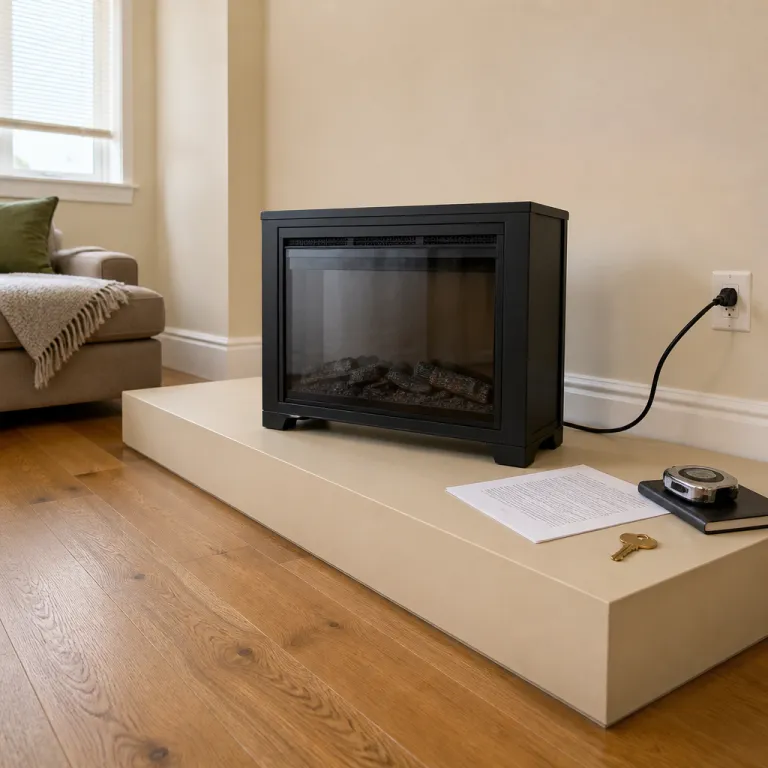
Why plug-in electric fireplaces sit in a grey zone for apartment renters
Most apartment renters want the cozy look of a fireplace without risking their lease. A plug-in electric fireplace apartment renter setup usually counts as a portable appliance rather than a structural change, which keeps it in a legal grey zone that often works in your favour. That grey zone is exactly where a renter friendly faux fireplace can give you flame effects and heat without drilling a single hole in the wall.
Typical leases ban any open flame in the building, but an electric fireplace uses LEDs and a heater instead of real fire. Landlords also write clauses against using a space heater, yet many do not mention electric fireplaces or a freestanding electric fireplace stove by name, even when the appliance looks like a traditional fireplace. That gap means a plug-in electric fireplace in your living room usually sits closer to a TV or stove heater in legal terms than to a wood burning fireplace.
For a fireplace renter, the safest bet is to treat any electric fireplaces as you would a powerful space heater and follow the strictest rule in your contract. If your lease bans any portable heater, you should ask in writing whether a renter friendly fireplace with an adjustable flame and overheat protection is allowed as décor only, with the heat function off. When the lease only bans structural changes, a freestanding electric fireplace or a wall mounted faux fireplace that hangs like a TV will normally qualify as removable furniture rather than a permanent fireplace insert.
Lease language decoder: space heaters, modifications and open flame clauses
When you read your lease as an apartment renter, three phrases matter most for any electric fireplace. The first is the classic “no space heater” line, which targets cheap plug-in heaters that can overload a small room circuit but may or may not include a modern freestanding electric fireplace with a realistic flame effect. The second and third are “no modifications to walls” and “no open flame”, which are where wall mounted fireplaces and fake fireplace units usually get tangled.
If your lease bans a space heater, assume the landlord worries about overloaded circuits and fire risk in every bedroom and living room. In North America, a plug-in electric fireplace apartment renter unit on a standard 120 volt, 15 amp outlet draws roughly 12.5 amps at 1500 watts, which is similar to a powerful space heater even when the flame looks like a renter friendly fireplace rather than a bare metal heater. That is why you should plug only one electric fireplace or stove heater into a given wall outlet and avoid running a vacuum or another space heater on the same branch circuit.
When the contract bans wall modifications, a wall mounted electric fireplace that needs brackets and anchors may cross the line, while a freestanding electric fireplace with a fireplace mantel style surround usually does not. In that case, a renter friendly freestanding model such as the Duraflame DFI-5010 fireplace stove or a TV stand with a fireplace insert gives you a modern ember look without drilling into the wall. For more detail on choosing a wall mounted unit by the wall construction rather than the glossy spec sheet, guides on selecting a wall mounted electric fireplace by the wall, not by the spec sheet, can help you match the appliance to your actual apartment walls.
Electrical reality: can your circuit handle the heat from a plug-in fireplace
Every plug-in electric fireplace you see on Amazon or in a big box store has one hard limit that matters more than flame style. At full power, the heater section of most electric fireplaces pulls about 1500 watts, which is close to the safe continuous load for a standard 15 amp, 120 volt branch circuit in a small apartment bedroom or living room. That means your electric fireplace apartment renter setup must share that circuit carefully with other appliances, or you will trip breakers and annoy your landlord.
To check your circuit, start at the electrical panel and note which breakers feed which room, then add up the likely loads. A TV, modem and a few LED lamps barely touch the limit, but a plug-in space heater, a powerful vacuum or a second stove heater on the same wall outlet as your faux fireplace can push the total over the edge. As a simple example, a 1500 watt electric fireplace plus a 1000 watt microwave on the same 120 volt circuit draw about 20.8 amps combined, which exceeds a 15 amp breaker and explains why it trips. If lights dim when the heater kicks on or the breaker trips when you run the microwave and the electric fireplace together, you are asking too much of that small space circuit.
Infrared models such as the Duraflame DFI-5010 infrared fireplace stove spread heat more evenly in a medium room, but they still respect the same 1500 watt ceiling listed in manufacturer specifications. Smart wall heaters and compact space heater units with a remote control and adjustable thermostat, like those tested in detailed smart wall heater and electric space heater reviews for bedroom use, show how much control you can gain with timers and oscillation. Whether you choose a freestanding electric fireplace or a wall mounted renter friendly fireplace, always keep at least 1 metre of clear space in front of the heater and never run the cord under a rug.
Wall-mounted vs freestanding: which electric fireplaces actually suit renters
For an apartment renter, the biggest decision is not flame colour but whether to go wall mounted or freestanding. A wall mounted electric fireplace looks sleek and modern in a living room, yet it usually needs brackets, anchors and sometimes a cutout, which can violate “no wall damage” clauses and leave traces when you move. A freestanding electric fireplace, by contrast, behaves like furniture, sliding into a small space against the wall and leaving nothing behind when you leave.
Freestanding electric fireplaces come in several shapes, from compact fireplace stove heaters to wider TV stands with a built in fireplace insert and faux fireplace mantel. Models like the Real Flame Ashley mantel surround or a freestanding electric fireplace with a modern ember bed can sit in a bedroom or living room without any screws, which keeps landlords calmer and makes your fireplace renter life easier. These units often include adjustable flame brightness, a remote control and overheat protection, so you can run the flame without heat on mild evenings or use the heater as a targeted space heater in winter.
Wall mounted fireplaces still have a place for some renters, especially in apartments where floor space is tight and the landlord allows TV brackets. Slim electric fireplaces that hang like a flat screen, such as the Touchstone Sideline series, can create a modern renter friendly fireplace look above a low console without touching the floor. If you go this route, keep the mounting hardware, photograph the wall before and after, and be ready to patch tiny holes so the wall looks untouched when you move out.
Models that look like furniture, not appliances: easier conversations with landlords
Landlords react very differently to a glowing fake fireplace that looks like a piece of furniture compared with a bare metal space heater. When your electric fireplace apartment renter setup resembles a modern sideboard with a fireplace insert, it reads as décor rather than a risky heater, even though the internal electric elements are similar. That perception matters when you ask for written permission or when the landlord walks through your living room during an inspection.
Furniture style electric fireplaces such as the Dimplex Revillusion insert paired with a simple fireplace mantel, or a TV stand with a built in faux fireplace, blend into a modern apartment without shouting “heater”. Many of these freestanding electric units offer an adjustable flame, ember bed colour options and a remote control, so you can enjoy the flame effect in a bedroom or small office with the heat turned off. When heat is needed, infrared heater elements and fan forced heaters can provide zone heating for one room, letting you lower the central thermostat and potentially save on energy costs over the full heating season.
For renters who shop on Amazon, filter for “freestanding electric fireplace with overheat protection” and “renter friendly installation” rather than chasing the biggest flame picture. Look for CSA, UL or equivalent safety certification on the rating label, a cool touch glass front and a clear statement that the unit is plug-in only, with no hardwiring or chimney required. If you want to understand what that 1500 watt rating means for your bill, detailed breakdowns of what an electric fireplace really costs to run room by room can help you compare the cost of a renter friendly fireplace against a standard space heater.
Insurance, inspections and the move-out advantage for plug-in fireplaces
Renter’s insurance policies usually care more about how a fire starts than whether the source was a fake fireplace or a toaster. As long as your electric fireplace is certified, used according to the manual and not modified, insurers typically treat it like any other electric appliance in the room. To be safe, you can call your insurer and ask whether a plug-in electric fireplace in the living room or bedroom affects your premium, then keep that answer in writing with your policy documents.
During inspections, landlords rarely unplug every heater or open every cabinet, which is why many renters quietly use electric fireplaces without issues. Still, you should never bypass safety features, remove overheat protection sensors or run an extension cord under a rug to hide a freestanding electric fireplace stove in a tight space. The real advantage of a renter friendly plug-in fireplace is that you can unplug it, slide it away from the wall and leave the apartment looking exactly as it did before, with no mantel scars, no wall holes and no soot.
When you move, a freestanding electric fireplace travels with you to the next apartment, turning a one time purchase into a long term companion rather than a sunk cost. Wall mounted units can move too, but they demand more care, more patching and more negotiation with each new landlord about what can hang on the wall. In the end, what matters is not the log pattern in the showroom, but the tenth winter in your living room.
Key figures every renter should know about plug-in electric fireplaces
- Most plug-in electric fireplaces for home use draw about 1500 watts at full heat, which equals roughly 1.5 kilowatt hours for every hour of continuous operation according to typical manufacturer specifications.
- A standard 15 amp, 120 volt branch circuit in North America can safely support about 1440 watts of continuous load under common electrical code guidance, so running one 1500 watt electric fireplace on that circuit uses essentially the full recommended continuous capacity.
- In many regions with 230 volt household power, a 10 amp circuit can supply up to about 2300 watts, so a 1500 watt plug-in electric fireplace leaves more headroom but still needs its own outlet and proper clearance.
- Infrared electric fireplaces are often rated by manufacturers to warm roughly 40 to 90 square metres as supplemental heat in a well insulated home, while fan forced models are usually listed for smaller rooms of about 20 to 40 square metres.
- Energy cost calculators from major utilities show that at an electricity price of 0.20 euros per kilowatt hour, running a 1500 watt electric fireplace for three hours per evening over 30 days costs about 27 euros in total.
- Consumer safety agencies such as the U.S. Consumer Product Safety Commission report that certified electric fireplaces with intact cords, proper clearance and built in overheat protection have a significantly lower fire incident rate than portable space heaters without tip over protection in national incident summaries.
FAQ: plug-in electric fireplaces for apartment renters
Are plug-in electric fireplaces allowed if my lease bans space heaters
If your lease explicitly bans any space heater, your landlord may treat a plug-in electric fireplace as falling under that rule because the heater section draws similar power. Some landlords make an exception when you agree to use only the flame effect without heat, especially for a freestanding unit that looks like furniture. The safest approach is to ask in writing whether a specific electric fireplace model is acceptable and keep the reply with your lease. A short email such as “I would like to use a plug-in electric fireplace (1500 W, UL or CSA certified, no wall mounting) for visual flame only, with the heat off unless you approve otherwise” gives them clear information to answer.
Will a plug-in electric fireplace overload my apartment’s electrical circuit
A typical plug-in electric fireplace uses about 1500 watts, which is close to the comfortable limit for a single appliance on a 15 amp, 120 volt circuit in North America. If you avoid running other high draw devices such as another space heater, a vacuum or a microwave on the same circuit, you are unlikely to trip breakers. Signs of trouble include flickering lights when the heater turns on or frequent breaker trips, which mean you should reduce the load or move the unit to a different outlet.
Is a wall-mounted or frestanding electric fireplace better for renters
For most renters, a freestanding electric fireplace is easier to justify because it does not require drilling into the wall or leaving visible marks. Wall mounted models can look more modern and save floor space, but they often need brackets and anchors that may violate “no wall damage” clauses. If you choose a wall mounted unit, confirm mounting rules with your landlord and be prepared to patch small holes when you move out.
Do electric fireplaces increase renter’s insurance premiums
Certified plug-in electric fireplaces that are used according to the manufacturer’s instructions usually do not change renter’s insurance premiums, because insurers group them with other household electric appliances. Problems arise only when a fire results from misuse, such as running the cord under a rug, overloading a circuit or bypassing safety features. To be certain, you can contact your insurer, describe the exact model and keep any written confirmation with your policy.
Can I take my electric fireplace with me when I move apartments
Yes, one of the main advantages of a plug-in electric fireplace for renters is portability, since the unit is not built into the wall or connected to a chimney. Freestanding models and many wall mounted units can be unplugged, packed and reinstalled in your next living room or bedroom. Keeping the original hardware, manuals and packaging makes that move easier and reassures your next landlord that the fireplace is a standard portable appliance.