Water vapor electric fireplace vs LED: how the flames really look
When people compare a water vapor electric fireplace vs LED, they usually start with photos. Those photos flatter both technologies, but they hide how the vapor, the water and the light behave in real space when you sit three metres away on a sofa. In person, the flame and the flames tell a different story about realism, depth and how your eyes read fire.
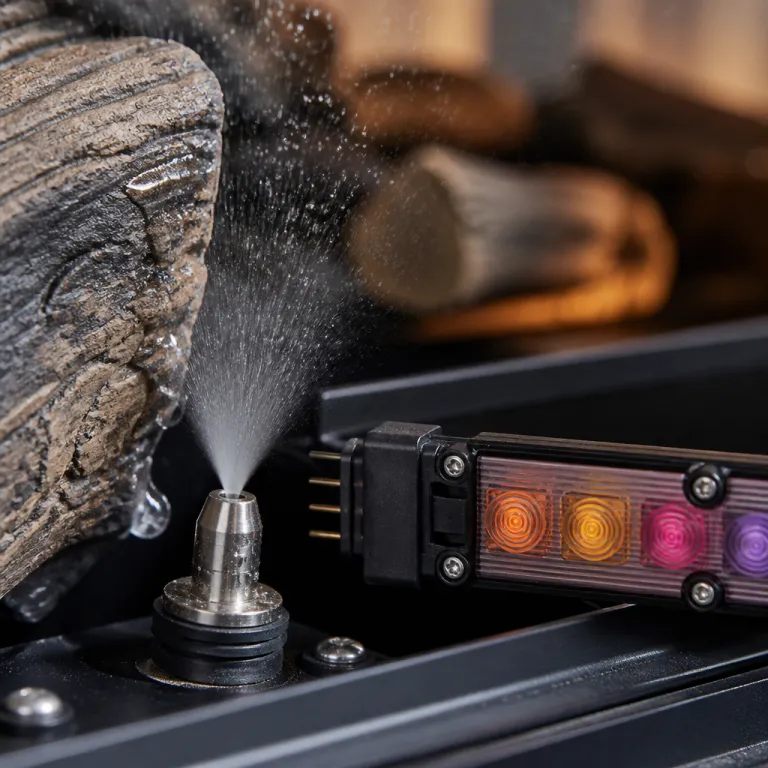
Water vapor fireplaces such as the Dimplex Optimyst line use ultrasonic transducers to turn tap water into a fine vapor that rises like smoke. That vapor fireplace mist catches LED vapor light from below, so the system can produce three dimensional plumes that twist, separate and merge in a way that feels close to real flames in a traditional fireplace. LED electric fireplaces, by contrast, rely on rotating mirrors, projected flame effects or video loops, so the fire looks flatter and more predictable even when the colors are rich.
In a darkened room, a well tuned vapor electric unit can fool guests into thinking there is real fire behind the glass. The Optimyst linear models, for example, throw vapor fire that curls around the logs and licks upward, and the experience feels more like watching low fireplaces that burn gas than like watching most fireplaces electric with simple orange ribbons. LED fireplaces still create strong ambiance, but their advantages electric lie more in flexibility, low cost and simple installation than in perfectly real flames.
Heat, energy efficiency and what you actually feel in the room
The most overlooked part of the water vapor electric fireplace vs LED debate is heat. Many Dimplex Optimyst vapor fireplaces are designed for ambiance only, so they produce no electric heat at all and simply move a small amount of air to carry the water vapor upward. LED based electric fireplaces like the Touchstone Sideline or Duraflame DFI-5010 usually combine flame effects with fan forced or infrared heaters, so they can warm a 20 square metre space as true zone heaters.
That difference matters for energy efficiency and for your monthly energy cost, because an eco friendly electric fireplace that actually heats lets you turn down the central system in the evenings. A steam fireplace style vapor fireplace with no heater still uses electric power for pumps, lights and fans, but it does not replace any other energy source, so its energy efficiency is about ambiance rather than kilowatt savings. If you want both real flames style visuals and warmth, you need to choose carefully among electric fireplaces that pair vapor technology with a separate heater, and you should read independent tests such as realistic flame comparisons judged from the couch, not the showroom.
LED fireplaces electric units also give you more control over fireplaces low heat output, which matters in small bedrooms or well insulated living rooms. You can run the flame effects alone for ambiance, or add one kilowatt of heat when the space feels chilly without overheating the room. With vapor electric designs that lack heaters, you must accept that the experience is visual and tactile at the touch of the mist, but not thermal, so you may still reach for a blanket or a separate heater when winter settles in.
Installation, maintenance and the hidden work of owning vapor flames
On paper, both water vapor electric fireplace vs LED options look simple compared with traditional fireplaces that need chimneys and flues. In reality, the installation and maintenance profile of a vapor fireplace is closer to owning a small appliance that handles water every day. LED electric fireplaces behave more like plug in heaters with decorative fronts, which makes them easier to live with over the long term.
A Dimplex Optimyst steam fireplace style unit needs either a manually filled tank or a plumbed electric water supply, and both choices have trade offs for everyday use. With a tank, you must refill with tap water or filtered water every few evenings, and mineral content in that water can produce scale on the transducer disc, which then reduces the height of the flames and the overall ambiance. With a plumbed vapor electric installation, you avoid refills but add plumbing complexity, potential leaks and more demanding maintenance if the water line clogs or the valves age.
LED fireplaces electric models such as the Real Flame Ashley or many low fireplaces inserts avoid water entirely, so their maintenance usually means dusting the interior, occasionally replacing a fan and checking that the flame effects still run smoothly. Over time, some owners report that the LED flame light dims or that the fan in a budget electric fireplace grows noisy, especially after three winters of daily use. Even so, the cost and effort of that maintenance stay lower than replacing ultrasonic transducers, cleaning vapor fireplaces of mineral buildup or troubleshooting a vapor fire system that suddenly stops producing mist in the middle of a cold season.
Humidity, air quality and how the flames feel to the touch
One of the strangest parts of comparing a water vapor electric fireplace vs LED is how your body reacts to the flames. With vapor fireplaces, you can literally reach out and touch the rising mist, and your fingers feel a cool, damp sensation where your brain expects heat. That mismatch between real fire instincts and the gentle water vapor plume can be charming for guests, but some homeowners find it distracting after the novelty fades.
Because a vapor fireplace uses tap water and ultrasonic energy to create mist, it adds humidity to the space every hour it runs, which can be a blessing in dry winters and a nuisance in already humid climates. In a 25 square metre living room, a large Optimyst unit can subtly raise relative humidity, softening dry skin and throats while also slightly fogging nearby glass if the room is tightly sealed. LED electric fireplaces, by contrast, change the air only through their heaters, so they tend to dry the space a little, much like any other fan forced electric heater, and they never produce visible vapor light or mist.
For families with allergies or sensitive lungs, that extra water in the air from vapor electric systems deserves attention, especially if the local water supply carries minerals or additives. Regular maintenance of the tank, the reservoir and the internal components helps keep the experience clean, but it is still another task on the household list. If you prefer a set and forget appliance that quietly runs in the background, a traditional style LED electric fireplace may fit your lifestyle better than a high realism vapor fire that needs both your eyes and your hands to manage it.
Cost, customization and who should actually choose vapor over LED
When you weigh a water vapor electric fireplace vs LED, the final question is rarely about technology alone. It is about cost, daily experience and how much you value the last 10 percent of realism in the flames compared with the first 90 percent that LED already delivers. Dimplex Optimyst units typically cost two to three times more than comparable LED fireplaces, and that price gap widens once you factor in professional installation for plumbed models and long term maintenance.
For that premium, you gain water vapor flames that look convincingly like real flames, especially in larger linear models that stretch across a wall and anchor a modern living space. You also gain advanced flame effects controls through tools such as the Flame Connect app, which lets you tune height, intensity and sometimes color from the sofa, creating a tailored ambiance for movie nights or quiet reading. LED electric fireplaces still offer strong customization with color cycling, ember bed options and adjustable brightness, and many models qualify as eco friendly thanks to their energy efficient heaters and the advantages electric heating has over burning gas or wood in traditional fireplaces.
If your priority is heat per euro, low maintenance and simple operation, a well reviewed LED electric fireplace is usually the smarter choice, and you can deepen your research by reading guidance on which specifications actually matter in a 20 square metre room. If your priority is the most real looking fire you can get without burning fuel, and you accept higher cost, more maintenance and no heat on many models, then a vapor electric system such as Dimplex Optimyst earns its place in your home. In the end, the right choice is not the brightest showroom display, but the fireplace that still fits your life after the tenth winter in your living room.
FAQ
Are water vapor fireplaces safe to touch for children and pets ?
Water vapor fireplaces are generally safe to touch because the flames are made from cool mist, not real fire. The glass and surrounding surfaces stay much cooler than on traditional fireplaces or high powered heaters. You still need basic supervision, but the risk of burns is significantly lower.
Do vapor fireplaces increase my electricity bill more than LED models ?
Vapor fireplaces use electricity for pumps, ultrasonic transducers and lights, while many LED models also power a heater. If your vapor unit has no heater, its electric draw is usually modest and mainly affects lighting costs. LED fireplaces with active heating can use more energy, but they may replace other heating sources and still be efficient.
How often do I need to refill or service a water vapor fireplace ?
Most tank based vapor fireplaces need refilling every few evenings of regular use, depending on flame height and tank size. You should also clean the reservoir and descale the transducer periodically to prevent mineral buildup from tap water. Plumbed systems reduce refilling but still require occasional servicing of filters and internal components.
Can LED electric fireplaces look realistic enough for a main living room ?
High quality LED electric fireplaces can look convincing, especially when viewed from typical sofa distance in a living room. Models with layered flame effects, glowing ember beds and good brightness control create strong ambiance even without water vapor. They may not fully match the depth of vapor flames, but many homeowners find them realistic enough for daily use.
Will a water vapor fireplace heat my room in winter ?
Many water vapor fireplaces, including several Dimplex Optimyst models, are designed for visual ambiance only and do not provide heat. Some units pair vapor flames with separate electric heaters, but you must check the specifications carefully. If reliable room heating is a priority, an LED electric fireplace with an integrated heater is usually a safer choice.